Iran Rejects U.S. 15-Point Peace Plan, Sets Own Terms
Tehran rejects a reported U.S. 15-point plan and issues a five-point counterproposal including reparations and sovereignty over the Strait of Hormuz as indirect exchanges continue.
 AlterNet
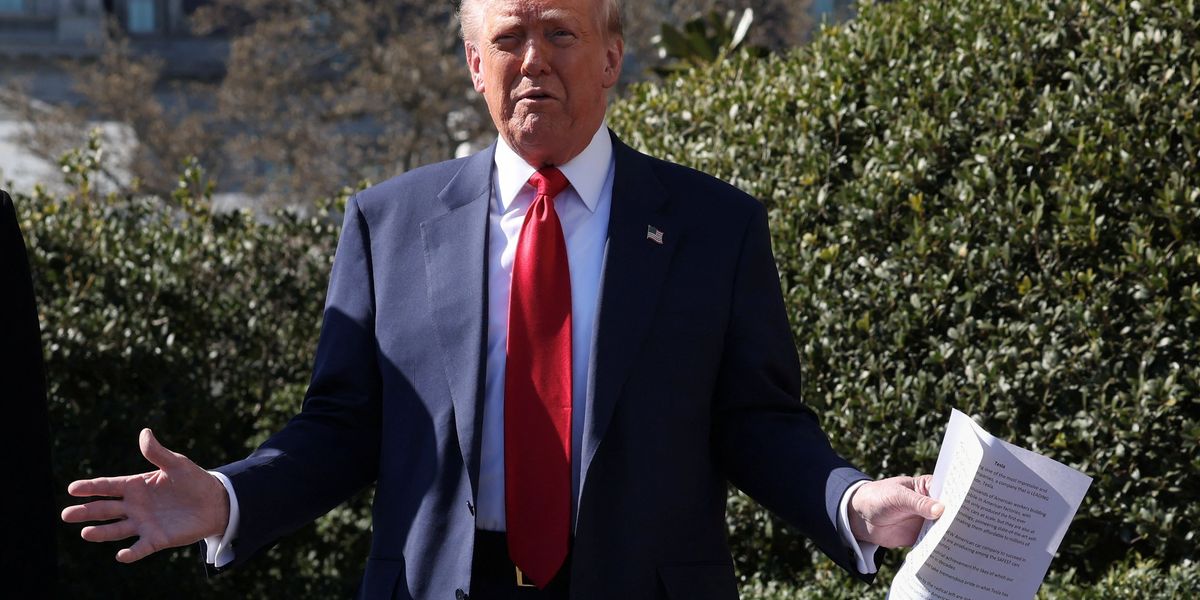
Trump’s ‘new’ 15‑point plan is the biggest sign yet that DC fears it's losing this war

 CNN
CNNObstacles to ending war come into focus as US and Iran outline starkly different demands | CNN Politics
 PBS NewsHour
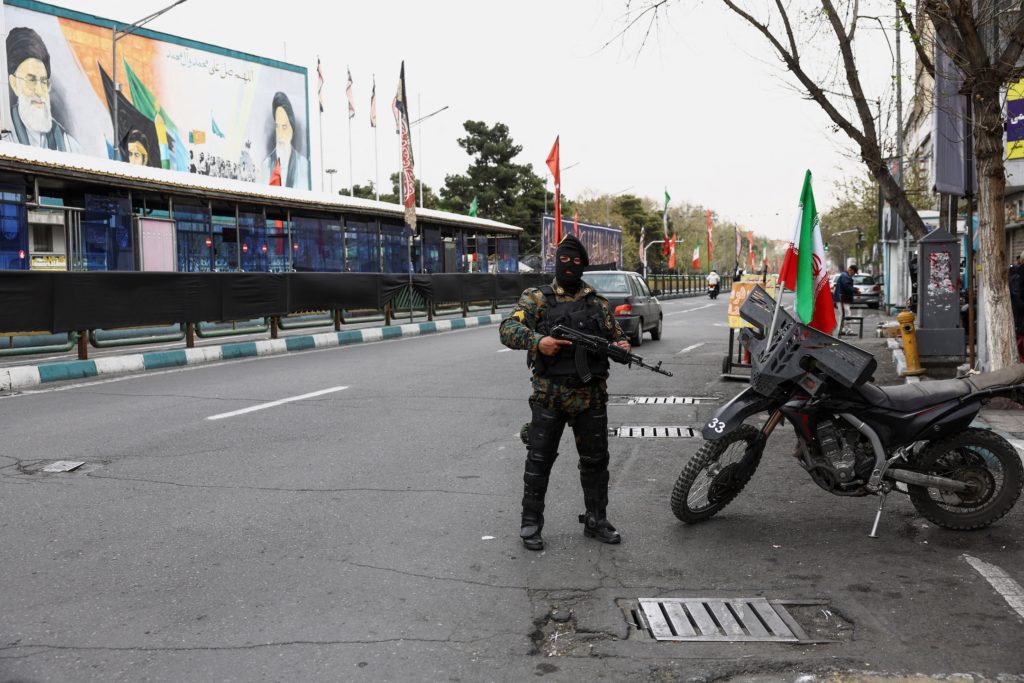
Iran rejects Trump's ceasefire terms and issues own demands as war continues
 RedState
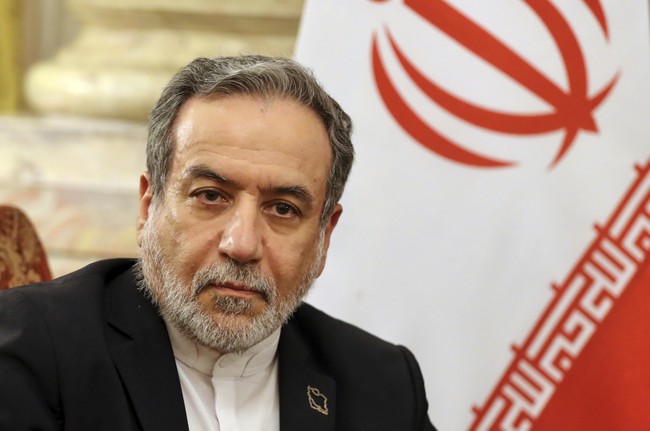
Hilarious Moments in Spin Include Top Iranian Official Denying 'Talks' - While Confirming Negotiations
Overview
Iran's foreign minister, Abbas Araghchi, said Iran is not negotiating with the United States and "does not intend" to, and state media published a five-point counterproposal including reparations and control over the Strait of Hormuz.
The action follows a reported U.S. 15-point plan that demands Iran renounce nuclear weapons, limit its missile program, stop funding proxies, and reopen the Strait of Hormuz, according to Israeli reports.
The White House press secretary Karoline Leavitt said talks "continue" and "they are productive," while President Donald Trump praised negotiators and Iranian officials called indirect exchanges "not negotiation."
Intermediaries including Pakistan, Turkey and Egypt have relayed messages, and U.S. officials are arranging a potential Pakistan meeting with Vice President JD Vance while roughly 1,000 to 5,000 U.S. troops are deploying.
Analysts and Gulf allies warn a simple ceasefire may not resolve core issues including nuclear, missile and proxy threats, and potential talks face skepticism over whether U.S. demands and Iran's maximum terms can be reconciled.
Analysis
Center-leaning sources frame coverage as a contest between american optimism and iranian defiance, emphasizing contradictions and strategic leverage. editorial choices — loaded verbs like 'emboldened' and 'watches in horror', selective sourcing (israel's channel 12, iranian state media), and quote placement (trump's 'me and the ayatollah') create a narrative of stalled, high-stakes brinkmanship.
FAQ
The U.S. plan demands Iran renounce nuclear weapons, limit missiles, stop funding proxies, and reopen the Strait of Hormuz.
Iran's counterproposal includes reparations and control over the Strait of Hormuz.
The Strait of Hormuz is a critical oil chokepoint between Oman and Iran, handling large volumes of oil with few alternatives if closed, leading to global fuel price spikes.
Maritime traffic has come to a virtual standstill since U.S. and Israeli attacks, with threats of attacks on vessels and disruptions roiling global energy markets.
Intermediaries including Pakistan, Turkey, Egypt, and possibly China are relaying messages, with U.S. officials arranging meetings potentially in Pakistan involving Vice President JD Vance.
