Rubio Warns Iran May Toll Strait of Hormuz as G7 Urges Free Navigation
Rubio said Iran may impose tolls on the Strait of Hormuz; G7 ministers called for reopening and an immediate halt to attacks, with allies split on joining U.S. offensive measures.
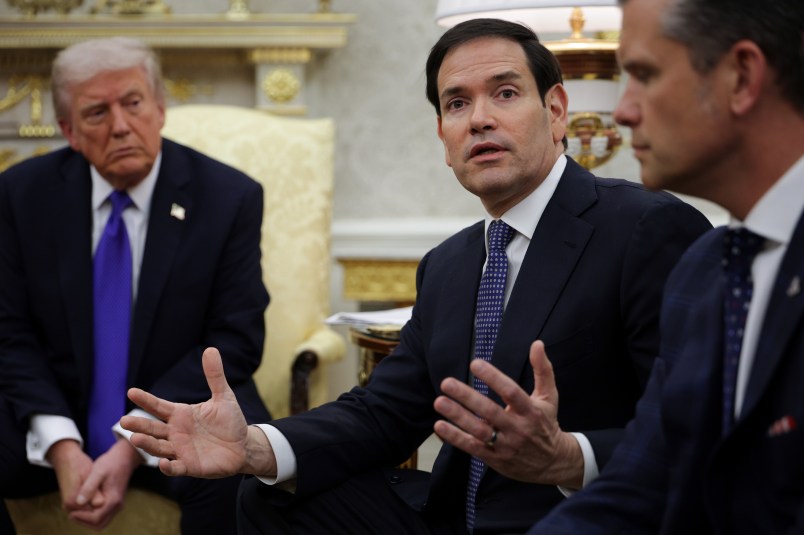
 TPM
TPMRubio: Iran May Own The Strait Now, And That’s a Huge Bummer

 Al Jazeera
US diplomat Marco Rubio denounces settler violence, tolls in Hormuz strait
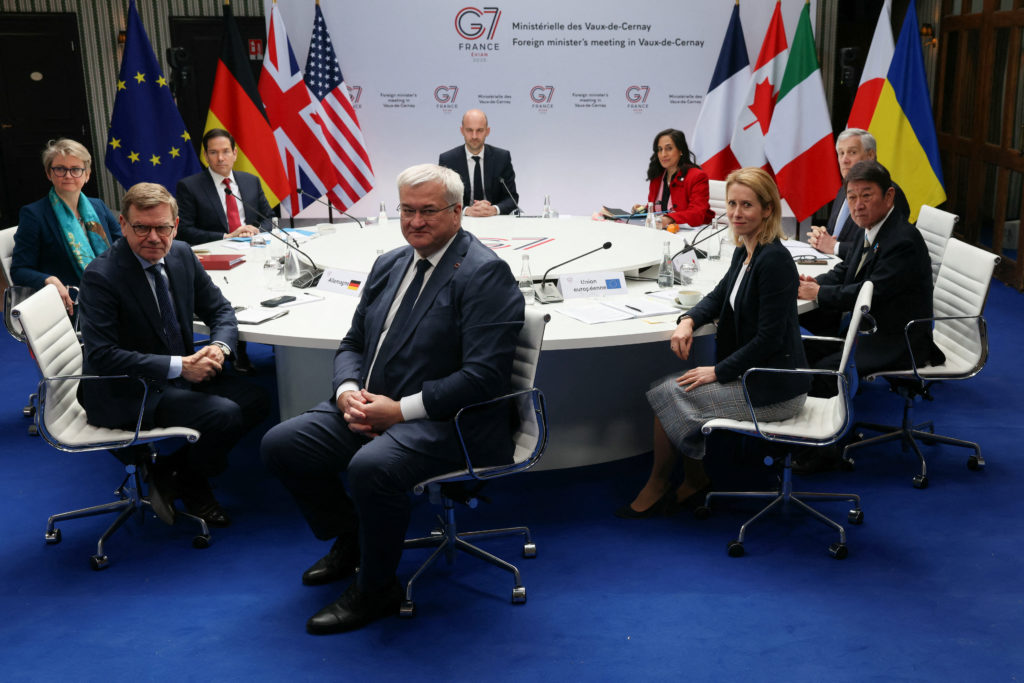
 PBS NewsHour
G7 meets on Russia-Ukraine war as Rubio tries to sell U.S. strategy in Iran to skeptical allies insulted by Trump
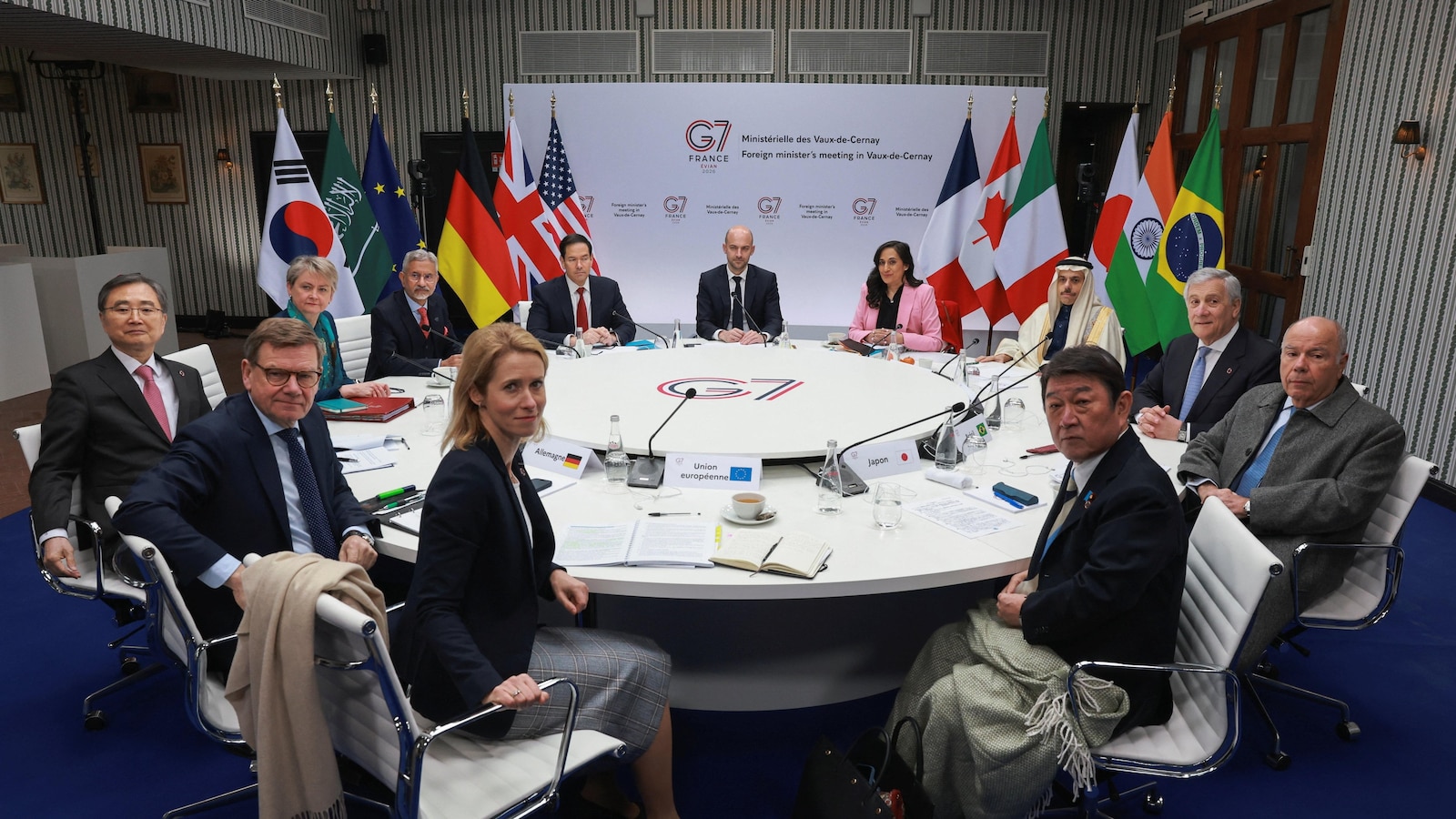
 ABC News
G7 meets on the Iran war as Rubio tries to sell US strategy to skeptical allies insulted by Trump
Overview
Secretary of State Marco Rubio warned that Iran may impose a tolling system in the Strait of Hormuz and said the United States is prepared to be part of an international plan to confront it.
The warning follows the U.S. and Israel's war that began on February 28, which has disrupted traffic through a strait that previously carried 20 million barrels per day, roughly 20% of the world's liquid petroleum supply.
G7 foreign ministers adopted a declaration calling for an immediate cessation of attacks on civilians and for permanently restoring free, safe navigation, while several allies voiced skepticism about joining U.S. offensive actions.
Media reports say Iran's plan would require ships to request passage through the IRGC and pay fees, and France's Defense Ministry said 35 countries joined talks on reopening the strait once hostilities decrease.
Rubio urged G7 and Asian countries to contribute to a post-hostilities plan, and President Trump warned he would strike power plants if the route was not reopened, extending a deadline until April 6.
Analysis
Center-leaning sources frame this coverage as highlighting U.S.-allies divergence and European caution, emphasizing rhetorical excess by U.S. leaders and diplomatic restraint from partners. They use loaded verbs ("insults," "chokehold"), prioritize EU officials' skeptical quotes like "is not ours," and structure the story to foreground divisions and economic risks over military escalation.
FAQ
The Strait of Hormuz is a narrow waterway between Iran and Oman connecting the Persian Gulf to the Gulf of Oman, through which about 20% of the world's oil supply passes daily.
Iran's IRGC has imposed a 'toll booth' regime requiring ships to submit documentation, obtain clearance codes, accept escorted passage through a controlled corridor, and pay fees, reportedly up to $2 million per ship in cash, crypto, or barter.[1]
The disruptions began on February 28, 2026, amid the US-Israel war with Iran following the assassination of Iran's supreme leader Ali Khamenei, leading IRGC to restrict passages.[2]
G7 ministers called for an immediate halt to attacks on civilians and restoration of free navigation; allies like France expressed skepticism about joining US offensive actions, while 35 countries discussed reopening post-hostilities.[story]
India, Pakistan, Iraq, Malaysia, China, and others like Greece and South Korea are negotiating or transiting via diplomatic talks or IRGC clearance.