Middle East Conflict Widens as Houthis Strike Israel and U.S. Sends Troops
Houthis launched missile and drone strikes on Israel while more than 3,500 U.S. troops, including about 2,500 Marines aboard USS Tripoli, arrived in the Middle East.
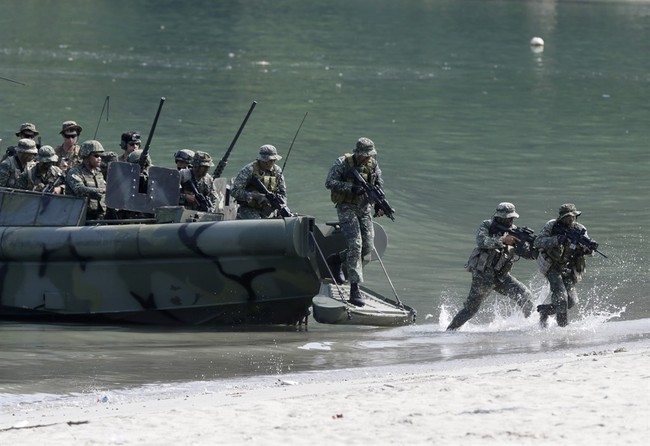
 PJ Media
USS Tripoli Brings 2,000 Marines and Changes the Options on the Table
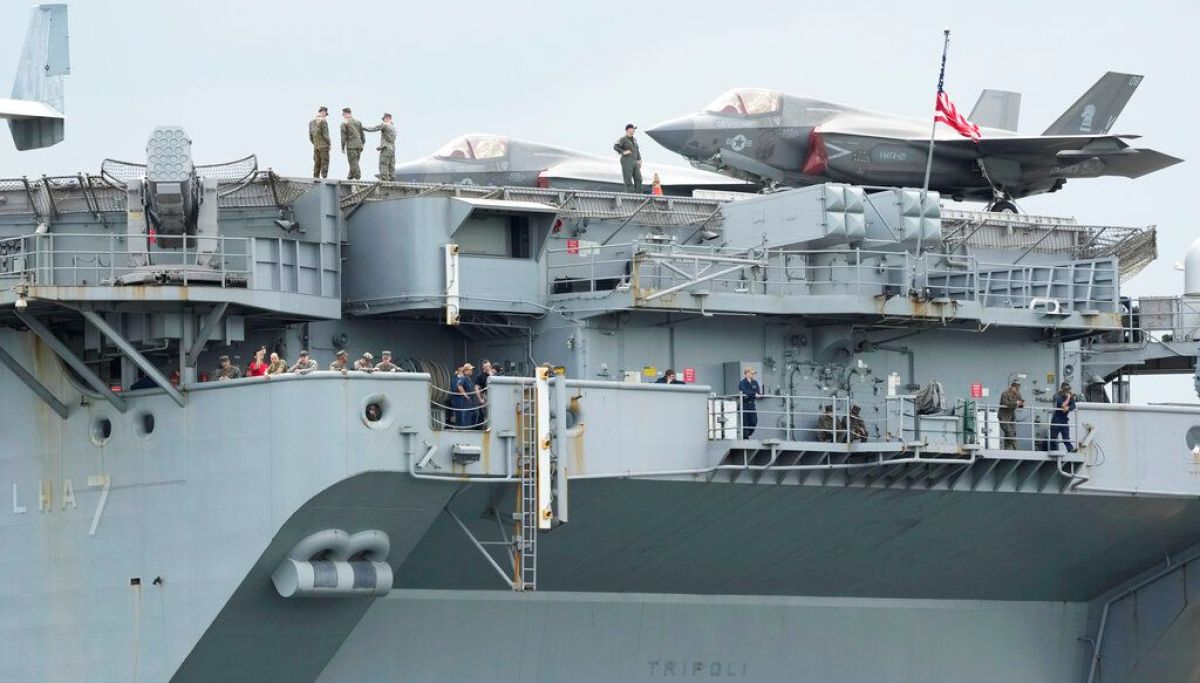
 Washington Examiner
US Marine unit and warship arrive in Middle East, CENTCOM says

 The Guardian
Houthi forces enter Iran conflict with missile attacks on Israeli military sites

 Al Jazeera
Iran warns of retaliatory attacks on US, Israeli universities
Overview
More than 3,500 U.S. troops, including about 2,500 Marines aboard the USS Tripoli, arrived in the Middle East, U.S. Central Command said.
Houthi forces said they fired ballistic missiles and later a second wave of cruise missiles and drones at Israel and vowed to continue operations, their military spokesperson said.
Tehran warned of retaliatory attacks on U.S. and Israeli universities after U.S. and Israeli strikes that, reports said, killed a family of four in Bushehr and damaged a Khuzestan water facility.
More than 11,000 targets have been struck since Operation Epic Fury began on Feb. 28, and roughly 10 to 12 U.S. troops were reported wounded in a missile and drone attack on Prince Sultan airbase.
Pakistan said it will host a meeting of regional foreign ministers on Monday, President Trump said Iran had until April 6 to reopen the Strait of Hormuz, and U.S. officials warned of multiple contingencies.
Analysis
Center-leaning sources frame the story as an escalating security and economic threat, emphasizing risks to shipping, strategic waterways and Iran connections. Editorial choices use evaluative terms ("threat", "big blow", "weathered"), prioritize military responses and regional stability, and marginalize Houthi motives and Yemen's humanitarian context; Houthi claims (e.g., "sensitive Israeli military sites") appear as source content.
FAQ
Houthi forces fired ballistic missiles and a second wave of cruise missiles and drones at Israel, targeting sensitive Israeli military sites, and vowed to continue operations.
More than 3,500 U.S. troops arrived, including about 2,500 Marines aboard the USS Tripoli, as stated by U.S. Central Command.
Tehran warned of retaliatory attacks on U.S. and Israeli universities following U.S. and Israeli strikes that killed a family of four in Bushehr and damaged a Khuzestan water facility.
The Houthi missile attack on Israel has stoked fears of renewed strikes on Red Sea shipping, after they halted attacks during Gaza ceasefires in January-March 2025 and October 2025-March 2026.[3]
Houthi escalation could disrupt the global economy by driving up shipping costs and oil prices, worsen conditions in Yemen, and expose Gulf infrastructure if expanded to GCC countries.[1]