Netanyahu Orders Access After Patriarch Barred From Holy Sepulchre
Prime Minister Benjamin Netanyahu ordered full access to the Church of the Holy Sepulchre after police blocked Cardinal Pierbattista Pizzaballa from entering on Palm Sunday.
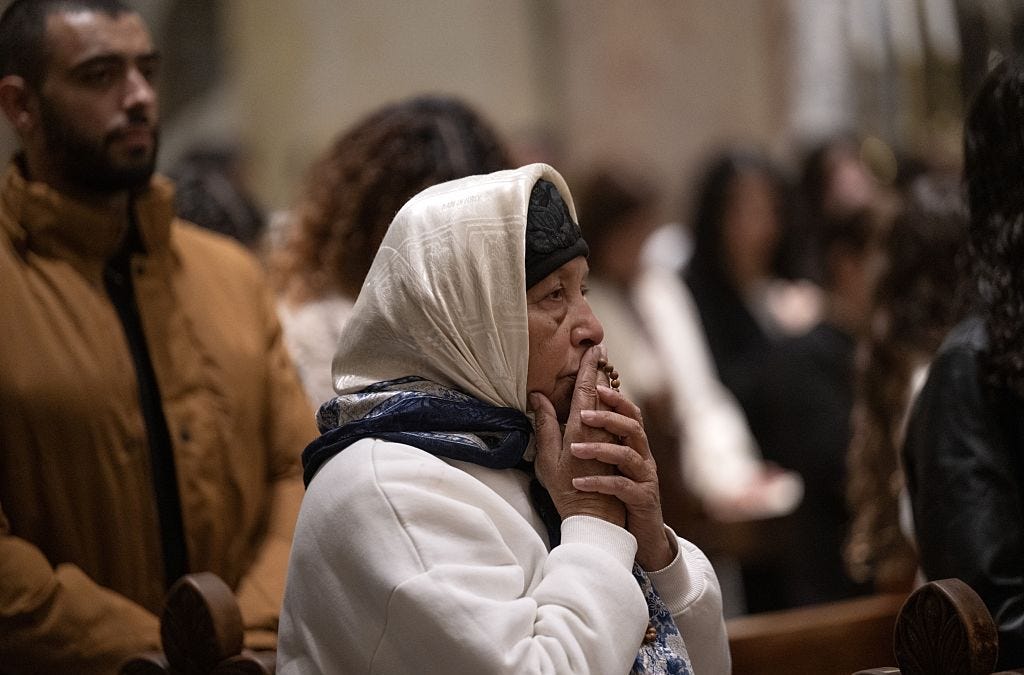
 The Free Press
Israel’s Palm Sunday Screwup
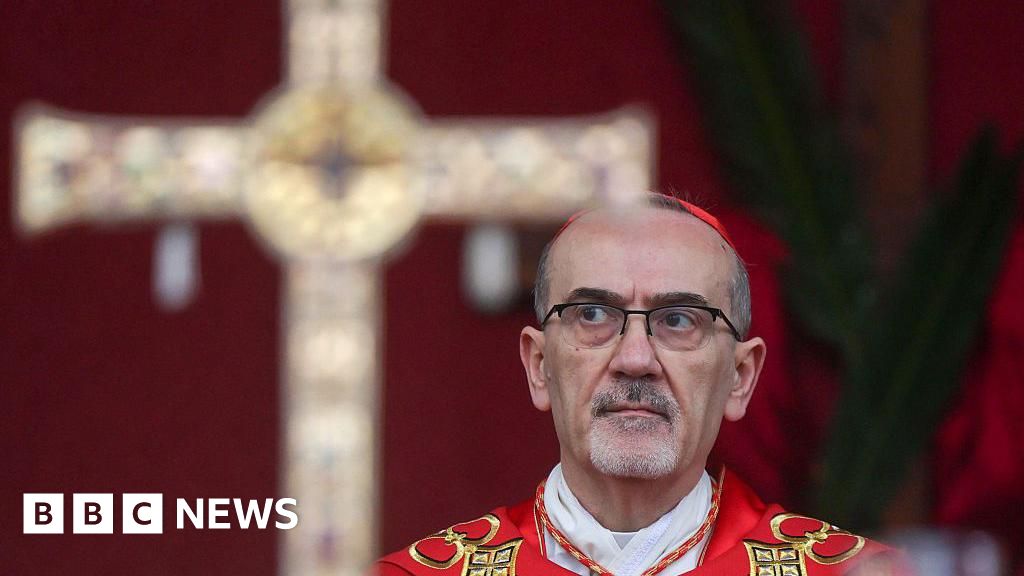
 BBC News
Netanyahu says Latin Patriarch will have full access to Jerusalem holy site
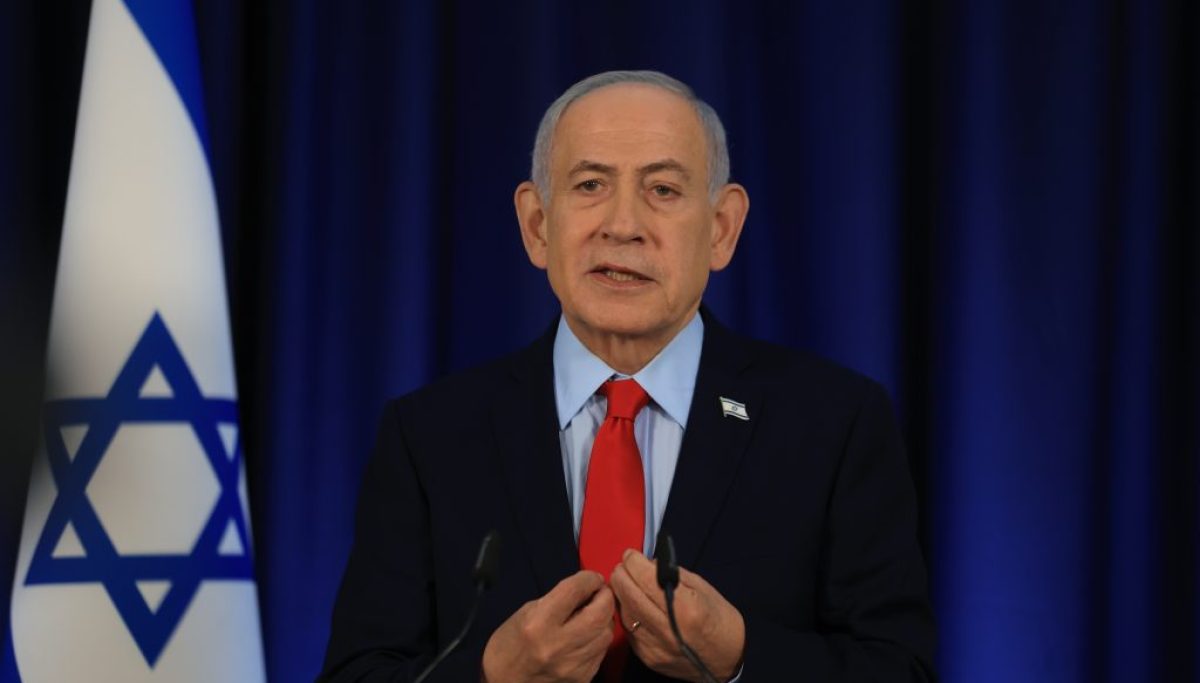
 Washington Examiner
Netanyahu grants Latin patriarch access to Holy Sepulchre
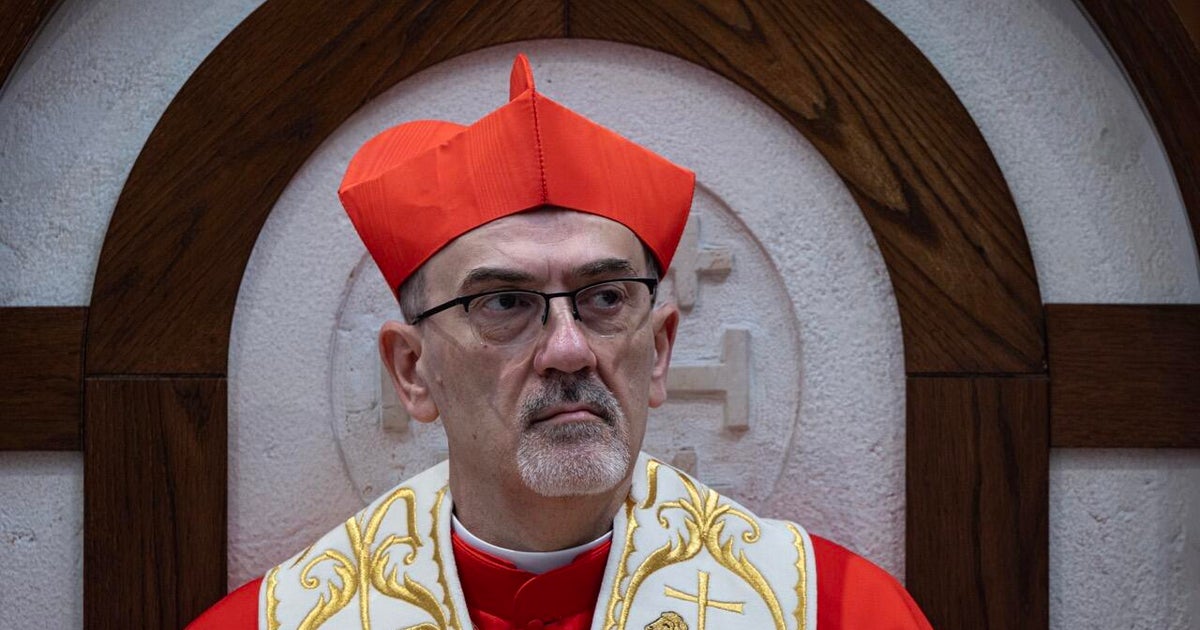
 CBS News
Catholic cardinal to be allowed to enter Jerusalem's Church of Holy Sepulchre after being stopped by Israeli authorities
Overview
Prime Minister Benjamin Netanyahu instructed authorities to grant Latin Patriarch Cardinal Pierbattista Pizzaballa full and immediate access to the Church of the Holy Sepulchre so he can hold services.
Israeli police earlier prevented Cardinal Pizzaballa and Reverend Francesco Ielpo from entering to celebrate Palm Sunday Mass, citing safety amid Iranian missile strikes and closures of holy sites since the war began on 28 February.
The Latin Patriarchate called the decision a "manifestly unreasonable and grossly disproportionate measure," and U.S., Italian and French officials publicly criticized the police action.
Authorities have limited gatherings to around 50 people, canceled the traditional Palm Sunday procession that usually draws tens of thousands, and said narrow Old City streets hinder emergency access.
Officials said security arms are drawing up a plan to enable church leaders to worship at the site in the coming days.
Analysis
Center-leaning sources report this story with overall neutrality, presenting competing viewpoints: they quote the Latin Patriarchate’s harsh condemnation and U.S./European criticism while also reporting Israeli police and Netanyahu’s safety rationale and wartime closures. Editorial language stays measured, and the piece provides context and multiple perspectives without overt evaluative framing.
FAQ
Israeli police blocked Cardinal Pizzaballa's entry citing safety concerns amid Iranian missile strikes and the ongoing closures of holy sites that began on February 28 when Israel and the United States launched attacks against Iran.[4] Authorities noted that narrow Old City streets hinder emergency access and have imposed gathering limits of around 50 people as a security precaution.[1] A missile had struck within a few hundred meters of the Church of the Holy Sepulchre on March 12, prompting Israeli officials to prioritize worshiper safety.[4]
Palm Sunday marks the beginning of Holy Week, one of the most significant periods in the Christian liturgical calendar as it commemorates Jesus Christ's entry into Jerusalem.[3] The Church of the Holy Sepulchre is considered central to Christian faith as it is believed to house both Golgotha, where Christians believe Christ was crucified, and his tomb.[5] The traditional Palm Sunday procession typically draws tens of thousands of pilgrims, making its cancellation unprecedented in scale and impact for the global Christian community during this sacred time.[1]
U.S., Italian, and French officials publicly criticized the police action that blocked Cardinal Pizzaballa from entering the Church of the Holy Sepulchre.[1] The Vatican has renewed calls for a special internationally guaranteed status for Jerusalem to protect access to holy sites and preserve the city's religious character.[5] These diplomatic responses reflect international concern over religious freedom and access to sites sacred to Christianity during the ongoing conflict.
Officials are drawing up a security plan to enable church leaders to worship at the Church of the Holy Sepulchre in the coming days.[1] Religious officials expect services for Holy Week and Easter will be celebrated with religious and clergy only, similar to arrangements during the COVID-19 pandemic, rather than with public access.[4] The Custody of the Holy Land stated it remains in constant dialogue with Israeli authorities and other Churches responsible for the site to finalize arrangements, with official communications to be issued once clear indications become available.[3]
Yes, church leaders have described the duration and nature of this closure as unprecedented, noting that even during past wars and the COVID-19 pandemic, liturgies continued in some form at the Church of the Holy Sepulchre.[5] For the first time in living memory, worship inside the basilica has stopped for weeks, disrupting the near-continuous cycle of prayer traditionally led by the Greek Orthodox, Armenian Apostolic, and Roman Catholic Churches that has been maintained for centuries.[5]


