Pakistan to Host U.S.-Iran Talks As War Escalates
Pakistan will host U.S.-Iran talks as Iran warns U.S. ground troops and Yemen's Houthis fire missiles at Israel, while oil tops $100 per barrel and civilian death tolls rise.
 CBS News
Iran warns U.S. troops will be "set on fire" if Americans launch ground operation

 CNBC
CNBCOil surges 3% as Iran war escalates with Yemen’s Houthis entering the Mideast conflict
 ABC News
Pakistan says it will host US-Iran talks, while Iran warns US ground troops would be 'set on fire'

 Al Jazeera
Iran accuses US of plotting ground attack, as Israel steps up bombardment
Overview
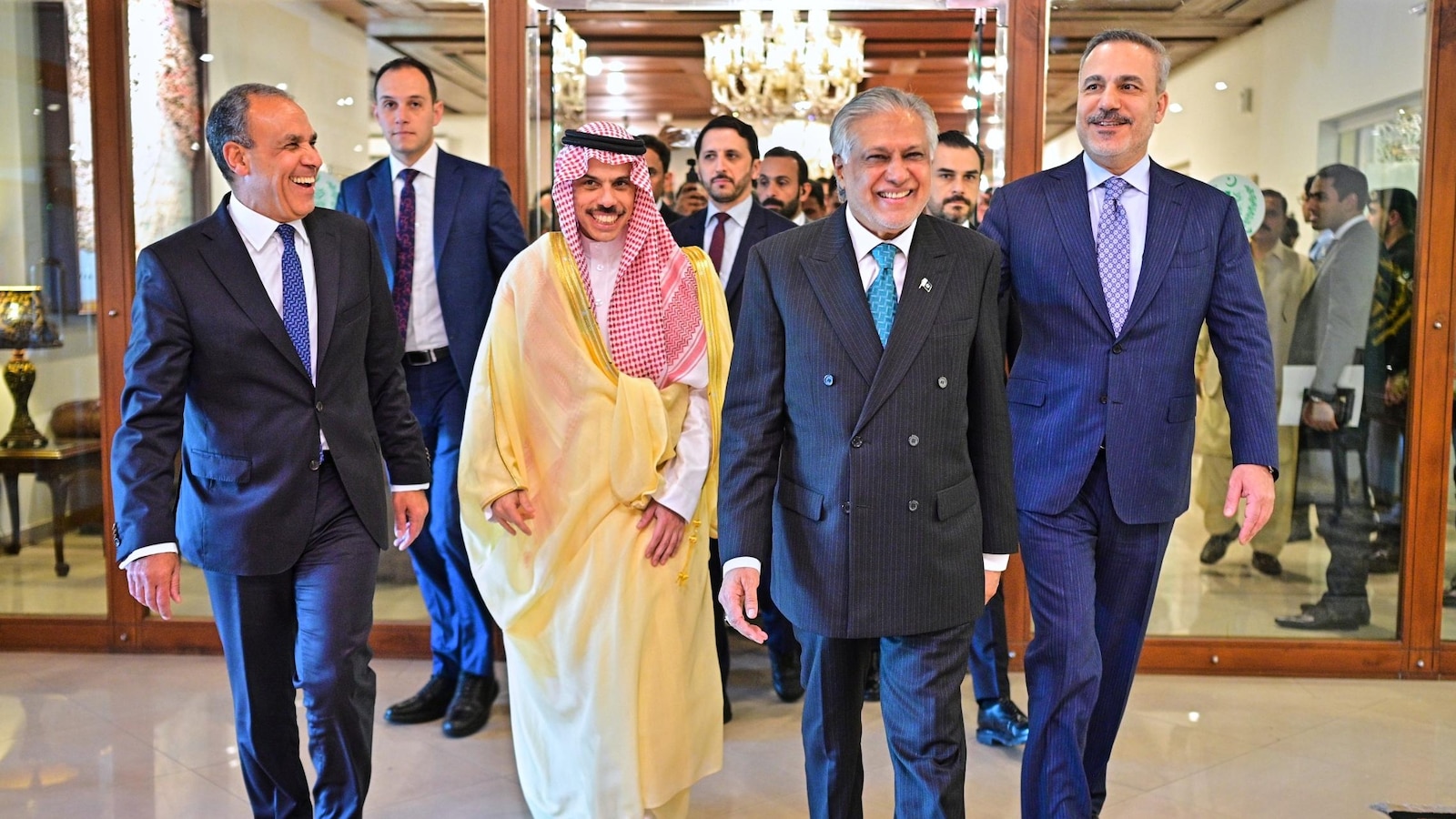
Pakistan's foreign minister Ishaq Dar said Pakistan will soon host talks between the U.S. and Iran and will "be honored to host and facilitate meaningful talks," according to his statement.
The conflict widened after Yemen's Houthi rebels said they fired ballistic missiles at Israel, marking their first direct involvement, the group's spokesperson Yahya Saree said.
Iran's parliament speaker Mohammad Bagher Qalibaf dismissed Pakistan talks as a cover and warned U.S. ground troops would be "set on fire," according to state media.
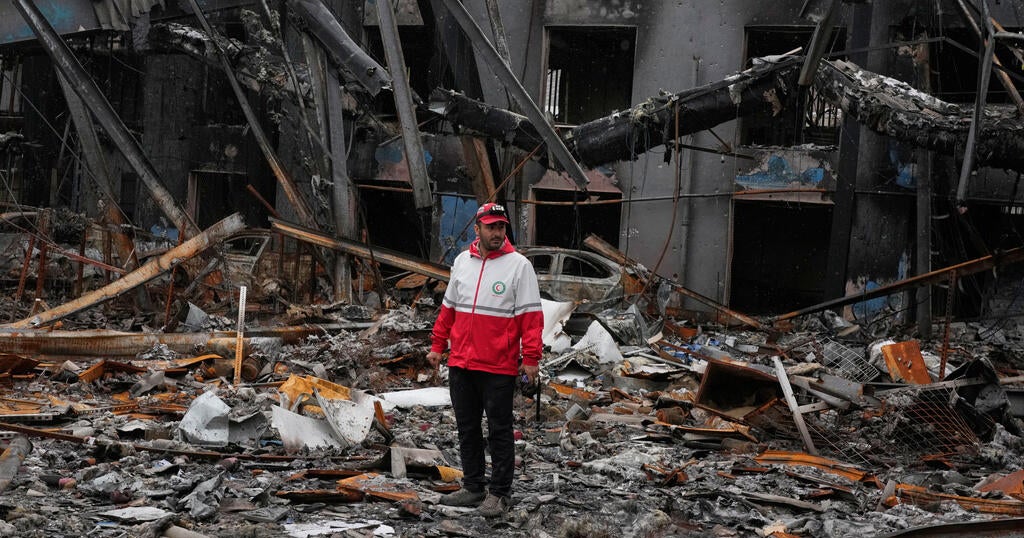
More than 3,000 people have been killed in the war, with authorities reporting over 1,900 deaths in Iran, more than 1,200 in Lebanon, 19 in Israel, and 13 U.S. service members.
Pakistan said foreign ministers from Turkey, Egypt and Saudi Arabia met in Islamabad and that the talks were originally scheduled to continue Monday, and Pakistan will host talks "in the coming days," Ishaq Dar said.
Analysis
Center-leaning sources frame coverage as an imminent, U.S.-driven escalation—emphasizing military buildup and stalled diplomacy. Editorial choices use charged labels ("U.S.-Israel war") and highlight officials' warnings and troop movements while giving fewer civilian voices; quoted claims (e.g., Ghalibaf's "we will never accept humiliation") remain source content but are foregrounded.
FAQ
Pakistan is acting as an intermediary, relaying messages between the U.S. and Iran, including a 15-point U.S. proposal, and offering to host direct or indirect negotiations in Islamabad.
The proposal requires Iran to end its nuclear program, stop supporting proxy militias, reopen the Strait of Hormuz, and limit its missile program to self-defense; in exchange, the U.S. offers sanctions relief, assistance with civilian nuclear energy, and abolition of snapback sanctions.
Iranian officials deny direct negotiations, describe the exchanges as mere message relaying, have rejected the U.S. proposal, submitted counter-conditions, and warned that U.S. ground troops would be 'set on fire'.
Over 3,000 people have been killed, including more than 1,900 in Iran, over 1,200 in Lebanon, 19 in Israel, and 13 U.S. service members.