FBI Says Michigan Synagogue Attack Was Hezbollah-Inspired Terrorism
FBI labels the March 12 Temple Israel assault Hezbollah-inspired; suspect died, investigators found weapons purchases, pro‑Hezbollah online activity and no co‑conspirators.
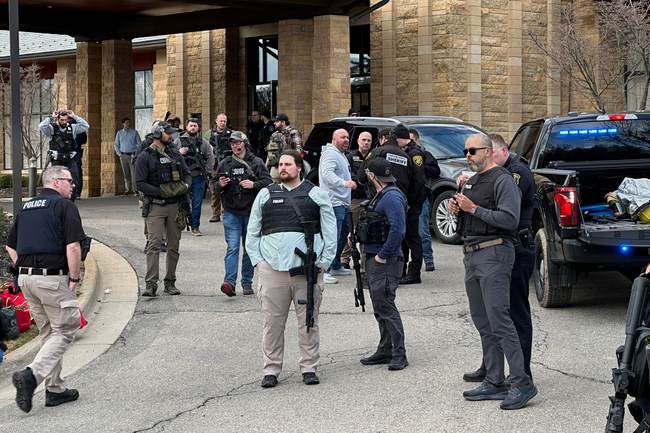
 Hot Air
Michigan Synagogue Attack was Inspired by Hezbollah
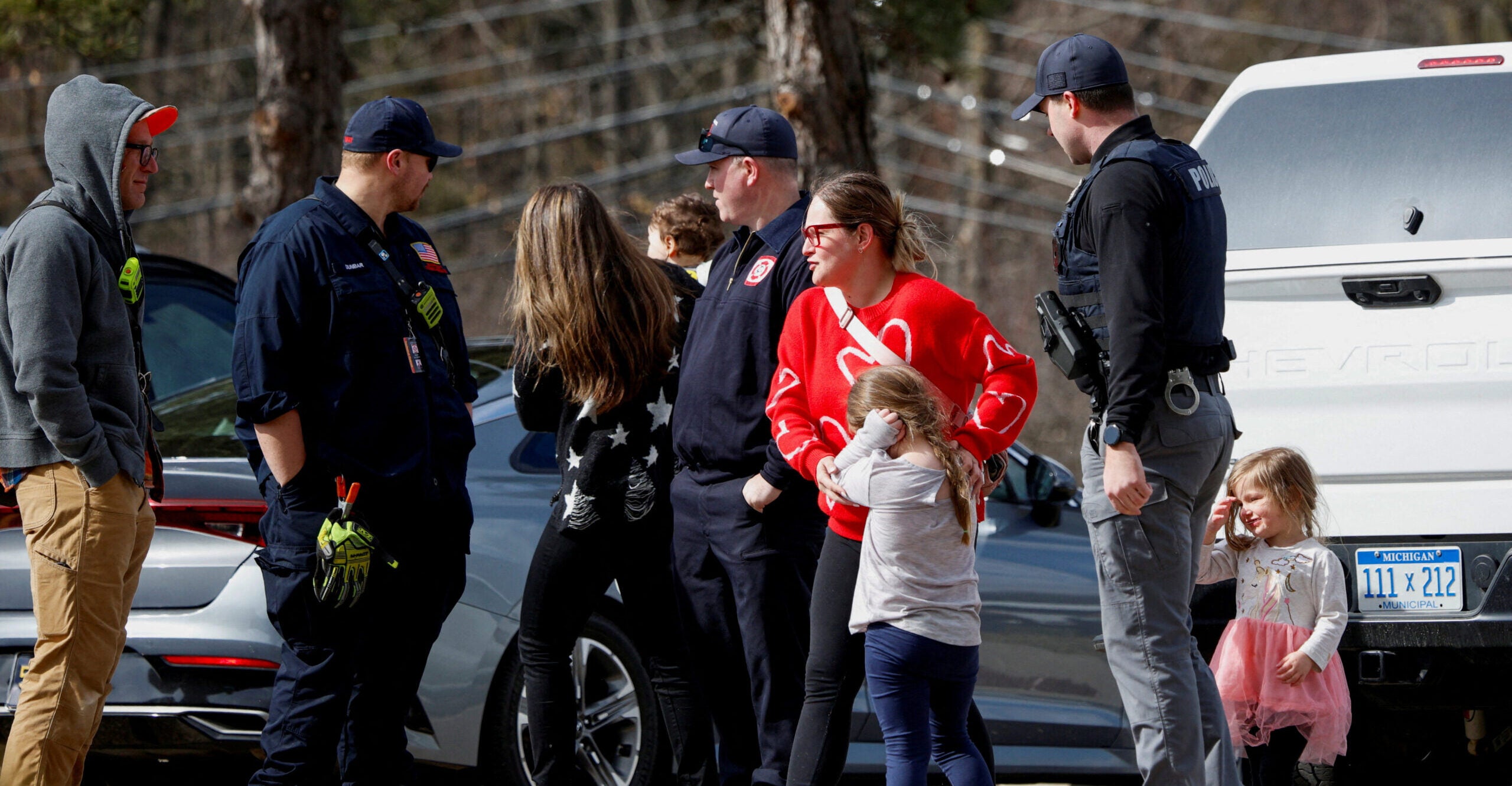
 Daily Signal
Attack on Michigan Synagogue Was Hezbollah-Inspired 'Act of Terrorism,' FBI Says
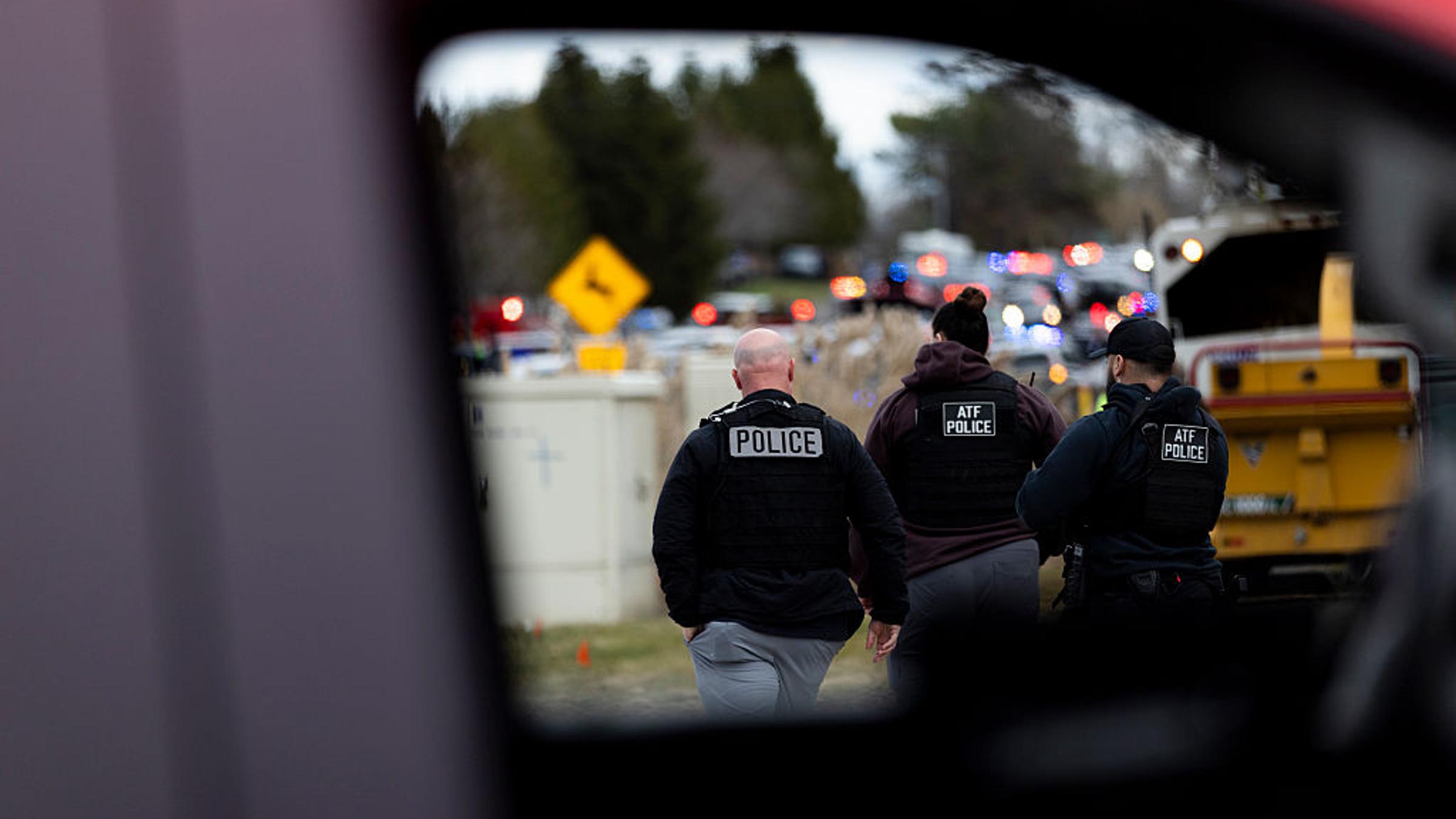
 TIME Magazine
FBI Says Suspect in Michigan Synagogue Attack Was Inspired by Hezbollah
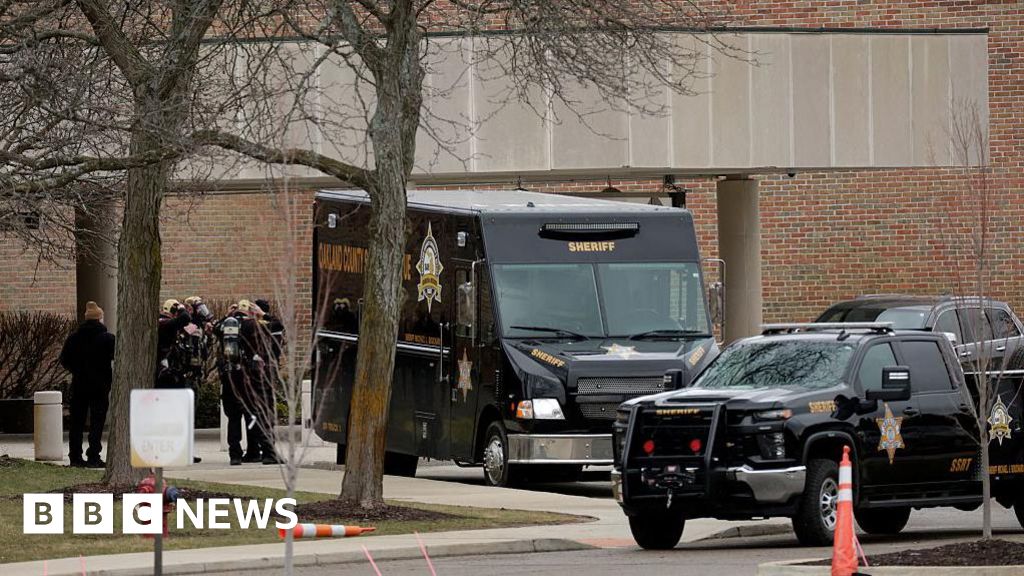
 BBC News
Michigan synagogue attack was Hezbollah-inspired act of terrorism, FBI says
Overview
The FBI said the March 12 attack on Temple Israel in West Bloomfield was a Hezbollah-inspired act of terrorism that purposely targeted the Jewish community.
Ayman Mohamad Ghazali drove his pickup into the synagogue's early-childhood area, exchanged gunfire with security, set his vehicle on fire and died of a self-inflicted gunshot, authorities said.
FBI Special Agent in Charge Jennifer Runyan said investigators reviewed hundreds of forensic files and more than 100 interviews and found Ghazali's online searches and posts showed pro‑Hezbollah and revenge themes.
Investigators said Ghazali bought an AR-style rifle on March 9 with 10 magazines and about 300 rounds, bought roughly $2,200 in fireworks and filled about 30 to 35 gallons of gasoline in containers.
U.S. Attorney Jerome Gorgon said that if Ghazali had lived he would have been charged with providing material support to Hezbollah, and authorities said Israel's military reported a brother was killed in Lebanon on March 5.
Analysis
Center-leaning sources frame the attack primarily through law-enforcement characterization, foregrounding FBI language ("Hezbollah-inspired act of terrorism") and curated evidence (online searches, video of intent) while amplifying an IDF claim about a brother. Editorial choices prioritize official motive attribution and vivid acts of violence, with little countervailing context such as mental‑health or local-community perspectives.