Sanctioned Russian Tanker Arrives in Cuba, Tests U.S. Blockade
Sanctioned Anatoly Kolodkin reached waters off Matanzas carrying crude; Trump said he had 'no problem', signaling a possible easing of a de facto U.S. oil blockade.





Overview
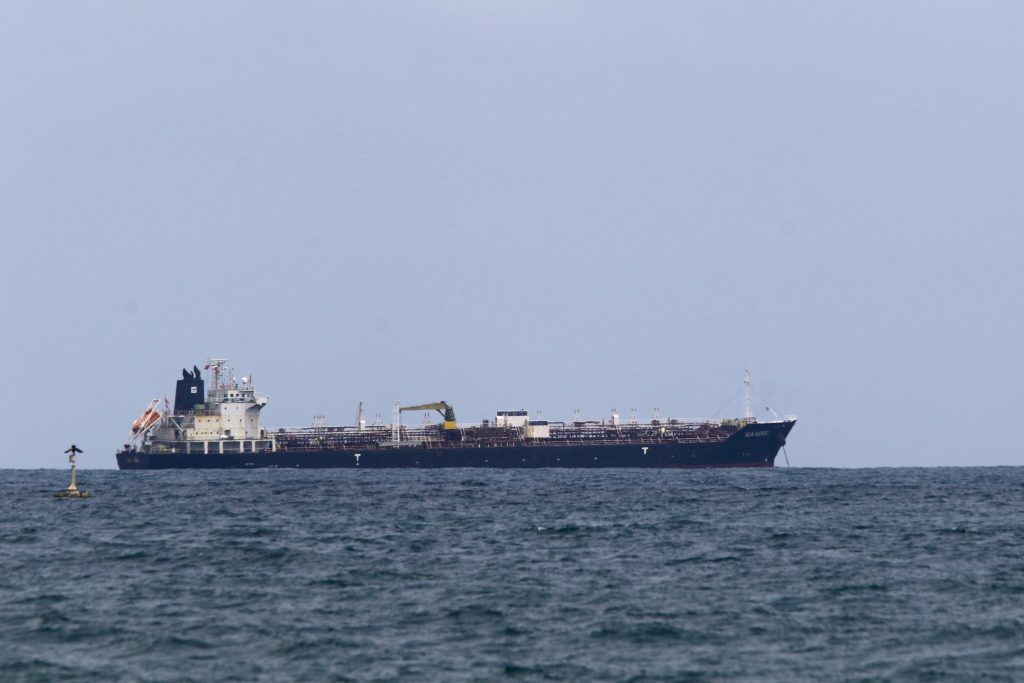
The sanctioned Russian tanker Anatoly Kolodkin arrived off Cuba carrying roughly 730,000 barrels (or 100,000 tonnes) of crude oil and was expected to unload at the port of Matanzas, Russian and state media reported.
The delivery follows President Donald Trump saying he had "no problem" with Russia sending oil to Cuba, a remark seen as easing a de facto U.S. oil blockade imposed since January, according to reports.
Kremlin spokesman Dmitry Peskov said Moscow had discussed the shipment with U.S. counterparts and called assisting Cuba a duty, while White House press secretary Karoline Leavitt said approvals are made case-by-case with no "firm change" in sanctions policy, reports said.
Cuba produces barely 40% of its required fuel, and the shipment was expected to yield about 180,000 barrels of diesel—enough for nine to ten days of daily demand—while the Anatoly Kolodkin is among vessels sanctioned by the U.S., EU and U.K., reports said.
The tanker was expected to offload at Matanzas within hours, and Cuban authorities have been in talks with the U.S. about the crisis as officials and international agencies assess humanitarian impacts, the reports said.
Analysis
Center-leaning sources frame the story as a humanitarian critique of the U.S. blockade, using evaluative language ('brought to its knees,' 'devastating effects'), privileging civilian-impact voices and experts, and structuring coverage to spotlight aid efforts—while quoting officials as source content to show policy tension.