UK Leads Global Push to Reopen Strait of Hormuz
More than 40 countries weigh diplomatic, economic and military planning as Iran enforces a de facto closure that has sent oil prices sharply higher.

 MS NOW
Iran moves to take permanent control of Strait of Hormuz, a vital shipping choke point

 New York Post
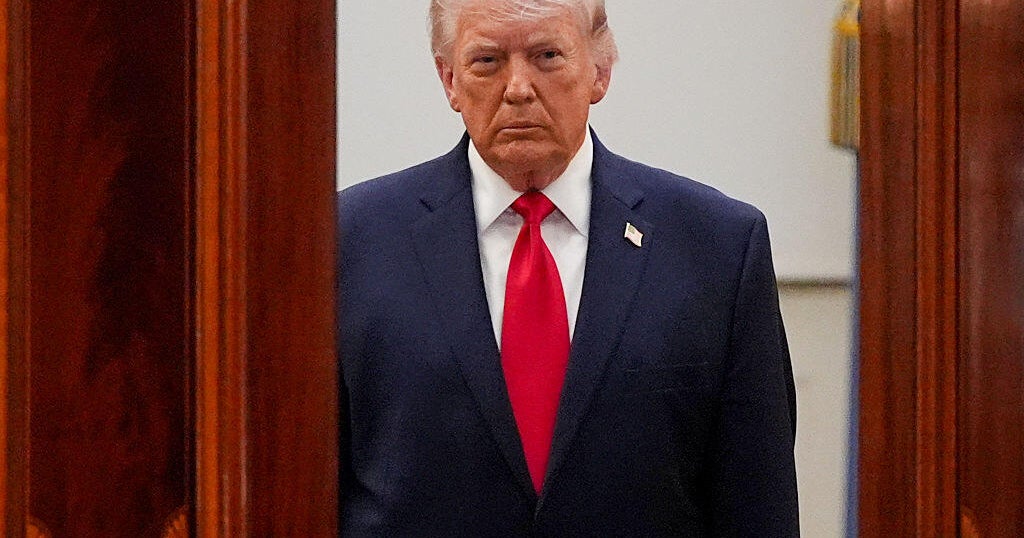
Trump asks allies for help with the Strait of Hormuz — and Europe is finally budging
 CBS News
Trump sends mixed messages on securing the Strait of Hormuz
 New York Post
Strait of Hormuz sees just a handful of ships trickling through as Iran’s chokehold continues
Overview
More than 40 countries held a virtual summit chaired by Britain to explore diplomatic, economic and coordinated measures to pressure Iran to reopen the Strait of Hormuz, Foreign Secretary Yvette Cooper said.
Iran has attacked commercial vessels and established a chokehold that has slowed traffic to a trickle, produced 23 direct attacks and killed 11 crew members, according to Lloyd's List Intelligence.
President Donald Trump has urged other countries to "grab" the strait and said the U.S. would be "helpful," while European leaders including Emmanuel Macron and Yvette Cooper emphasized diplomatic measures.
Participants said roughly 10-25% of the world's oil and gas transits the strait, about 20,000 seafarers on 2,000 ships remain trapped, and Brent crude has jumped from $73 to well over $100.
Officials said a further military planning meeting next week will consider mine-clearing and rescue operations convened by Britain's Permanent Joint Headquarters and that diplomatic options include UN pressure and a possible humanitarian shipping corridor.
Analysis
Center-leaning sources frame the story as Iran-as-aggressor and Western states as responsible responders, using charged terms like "holding the global economy hostage" and "chokehold" and foregrounding UK and NATO critiques while omitting Iran's voice. They prioritize Western quotes, shipping-firm casualty stats, and Trump's withdrawal rhetoric to build urgency and legitimacy.