American Journalist Shelly Kittleson Freed After Baghdad Kidnapping
Shelly Kittleson was kidnapped March 31 in Baghdad and freed by Kataib Hezbollah, with U.S. and Iraqi officials involved in securing her departure.
 Associated Press
Mother hopes freed US reporter will come home following her release from Iraqi captors
 Townhall
Terrorist Organization Releases American Journalist After Kidnapping Her

 Straight Arrow News
Inside the release of journalist Shelly Kittleson
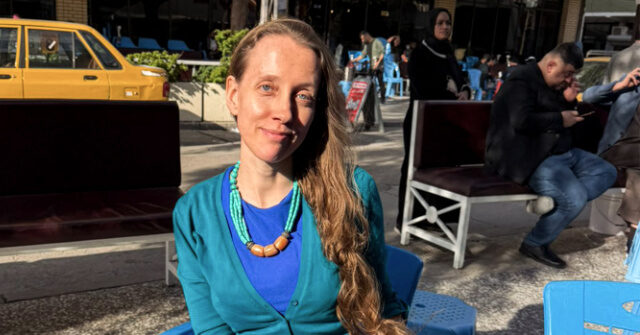
 Breitbart News
American Journalist Released After Being Kidnapped in Iraq
Overview
U.S. Secretary of State Marco Rubio announced Tuesday that American journalist Shelly Kittleson, who was kidnapped in Baghdad on March 31, has been released.
The Iran-aligned militia Kataib Hezbollah said it freed Kittleson in appreciation of the patriotic stances of Iraqi Prime Minister Mohammed Shia al-Sudani and that she must leave the country immediately.
FBI Director Kash Patel said the agency's Hostage Recovery Fusion Cell, along with other U.S. and Iraqi partners, worked to secure her release, officials said.
Kittleson, 49, is a longtime freelance Middle East reporter who left Wisconsin in 1995 and her mother said she has not seen her since 2002.
Iraqi and U.S. officials were arranging her travel from an undisclosed location, and reporting said the release coincided with negotiations over detained militia members.
Analysis
Center-leaning sources frame the story around official, security-focused perspectives, highlighting U.S. and Iraqi authorities’ roles and using terms like "Iranian-backed militia" and "captive" to emphasize threat. They foreground federal praise (FBI director saying he was "thrilled," Rubio's public thanks) and a rescue narrative, while giving little local context or militia motive.