U.S.-Iran Ceasefire Frays Over Strait of Hormuz and Lebanon Strikes
Two-week ceasefire is under strain as Iran restricts Strait of Hormuz traffic and Israel launches heavy strikes on Lebanon ahead of Islamabad negotiations.
 The Guardian
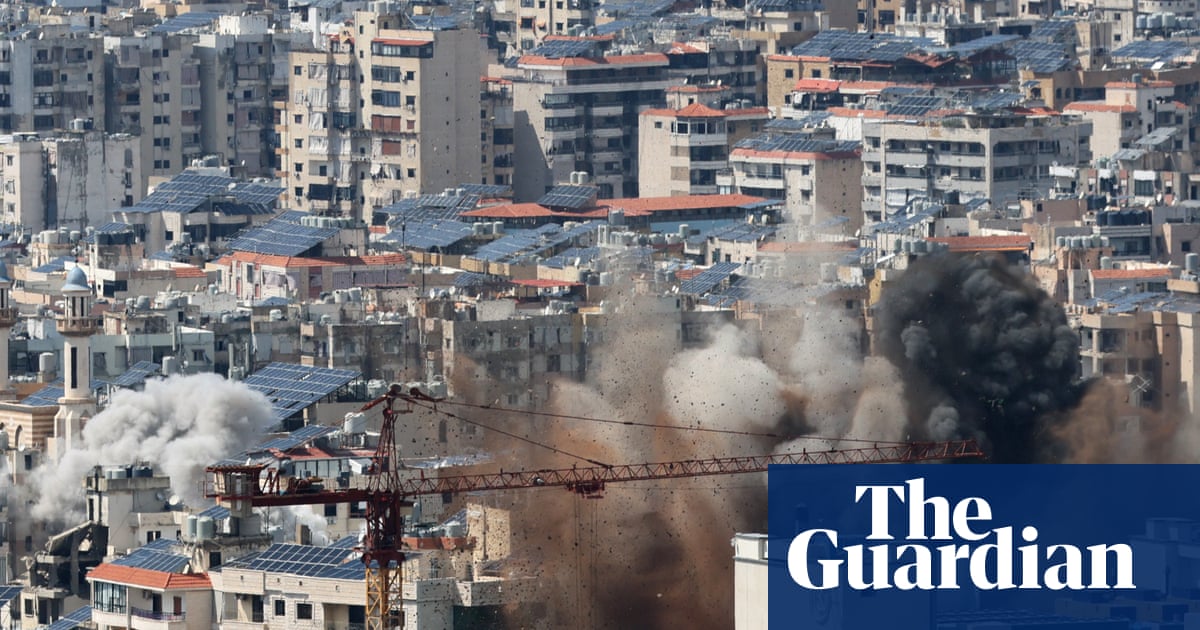
Middle East ceasefire threatens to unravel as Israel assaults Lebanon and Iran blocks oil tankers

 AlterNet
Karoline Leavitt bizarre denial a contradiction of official's statement
 Los Angeles Times
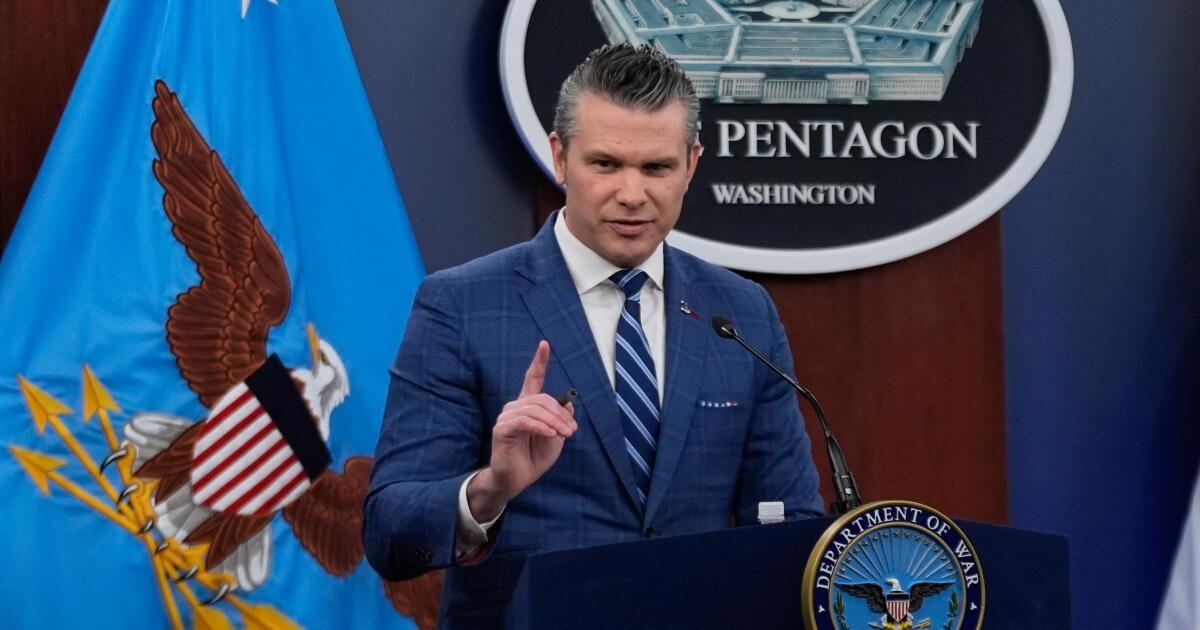
Iran ceasefire deal frays as attacks continue; Trump's peace terms remain unclear
 The Guardian
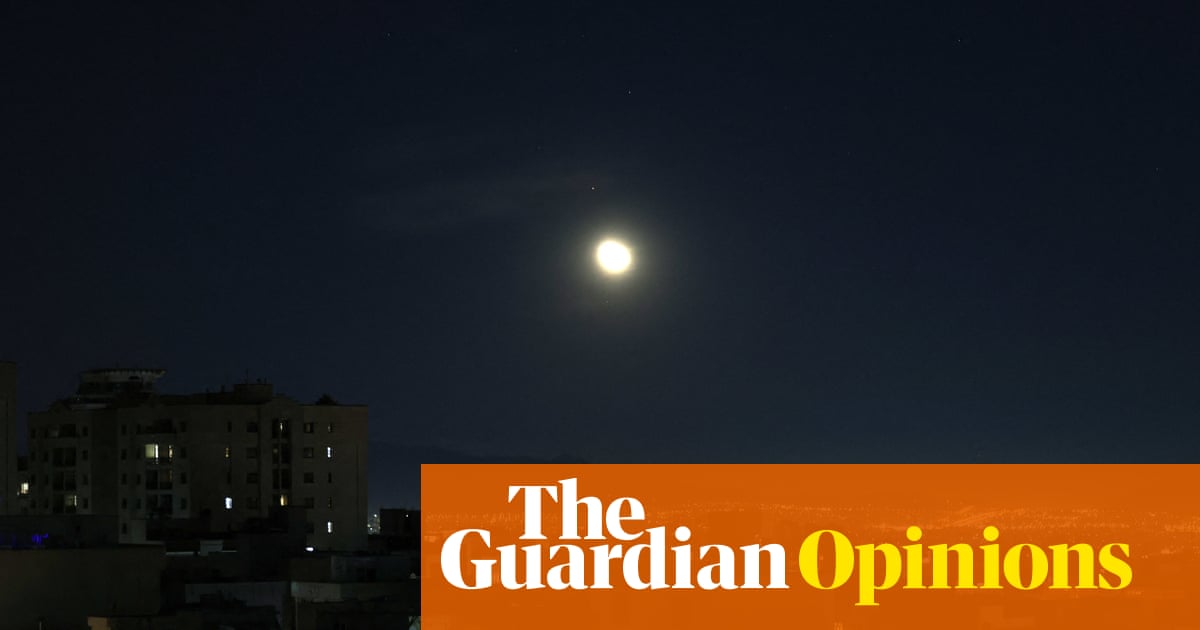
The US stepped back from the precipice in Iran. But what happens next? | Rajan Menon
Overview
A fragile two-week ceasefire showed early cracks as Israel launched its largest strike on Hezbollah in Lebanon, killing at least 254 people, according to Lebanese authorities.
The Strait of Hormuz, central to the truce, was reported closed by Iranian state media while President Trump demanded it be opened "without limitation, including tolls," White House press secretary Karoline Leavitt said.
White House officials said the strait should be reopened immediately and Defense Secretary Pete Hegseth said "commerce will flow," while Iran’s foreign minister Abbas Araghchi warned the U.S. to choose between ceasefire or continued war via Israel.
Shipping through Hormuz remains far below prewar levels, with about 100 to 120 vessels daily before the war, 72 vessels in the week of March 30–April 5, and traffic still about 90% below normal, sources said.
U.S. negotiators led by Vice President JD Vance, Steve Witkoff and Jared Kushner are set to meet Iran in Islamabad on Saturday morning as officials monitor compliance and debate Iran's uranium stockpile.
Analysis
Center-leaning sources emphasize U.S.-Israeli security frames by privileging allied statistics and vivid verbs while giving limited Iranian voice. They cite JINSA weapon and attack counts, use language like "mauled" and "virtual toll booth," and foreground U.S./Israeli objectives—shaping a narrative of Iranian aggression and allied defensive necessity.