U.S. and Iran Agree Two-Week Ceasefire Tied to Strait Reopening
Trump announced a two-week ceasefire with Iran tied to reopening the Strait of Hormuz while delegations plan talks in Islamabad on Friday.

 CNBC
CNBCU.S.-Iran ceasefire relief rally lifts global assets as oil plunges below $100

 USA TODAY
Republican rebuke? See what some GOP figures said about Iran war
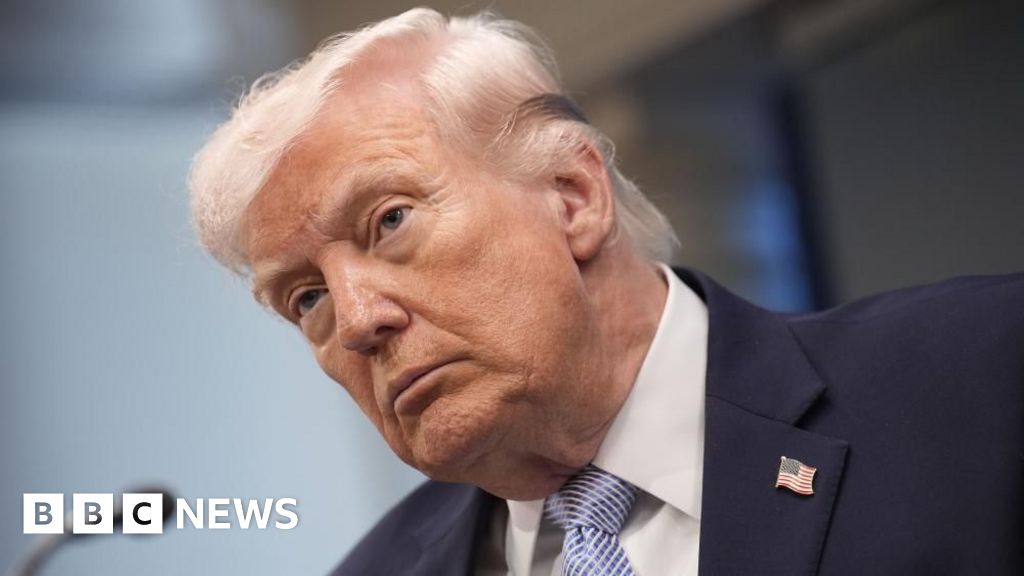
 BBC News
Iran ceasefire deal a partial win for Trump - but at a high cost
 CNBC
CNBCGulf countries scramble to intercept missiles hours into U.S.-Iran ceasefire agreement
Overview
President Donald Trump said he had agreed to a two-week ceasefire with Iran and suspended planned strikes, contingent on Iran reopening the Strait of Hormuz.
Trump's announcement came less than two hours before his deadline after he posted that "a whole civilization will die tonight," according to his social media posts.
Iran's Supreme National Security Council said it accepted the ceasefire and that negotiations would begin in Islamabad on Friday.
The U.S. and Israel have launched more than 3,000 strikes on Iran since the conflict began, and Iran has retaliated with 1,511 strikes, according to ACLED.
Missiles and drones were launched toward Israel and Gulf states hours into the truce, triggering air defenses and raising doubts about whether the ceasefire can hold.
Analysis
Center-leaning sources frame Trump's ceasefire as a risky, pyrrhic political victory, using inflammatory descriptors and focusing on his threatening rhetoric. They prioritize Democratic condemnations and dissenting Republicans while providing limited Iranian or regional context. Structural sequencing—threat, temporary reprieve, long-term costs—reinforces a narrative of political gain at high geopolitical cost.