UK and Norway Track Russian Submarines Over Undersea Cables
Month-long UK-Norway operation tracked an Akula attack sub and two GUGI spy submarines; no damage found to cables or pipelines.

 Al Jazeera
UK says three Russian submarines tracked during ‘covert’ operation
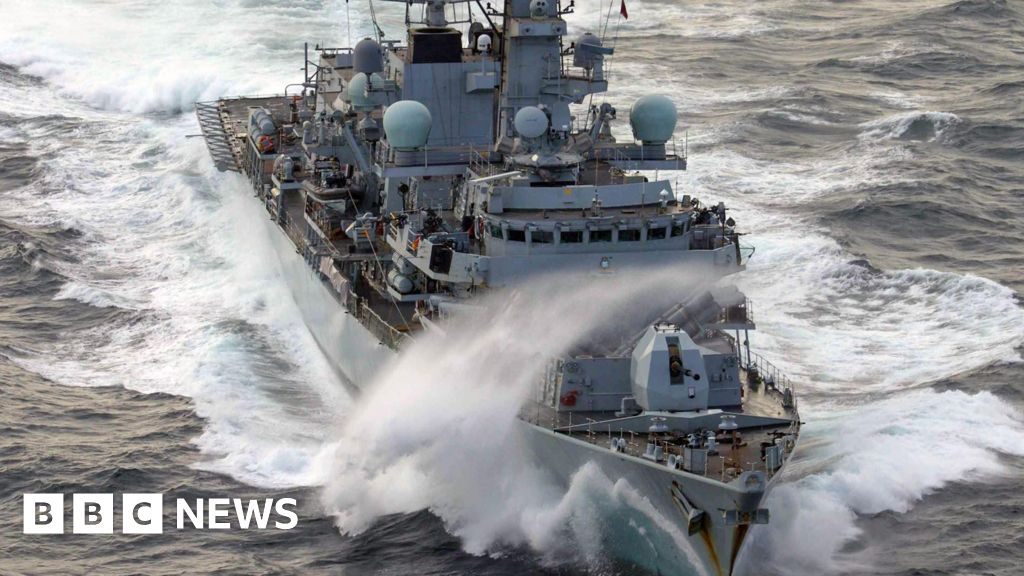
 BBC News
UK says Russia ran submarine operation over cables and pipelines
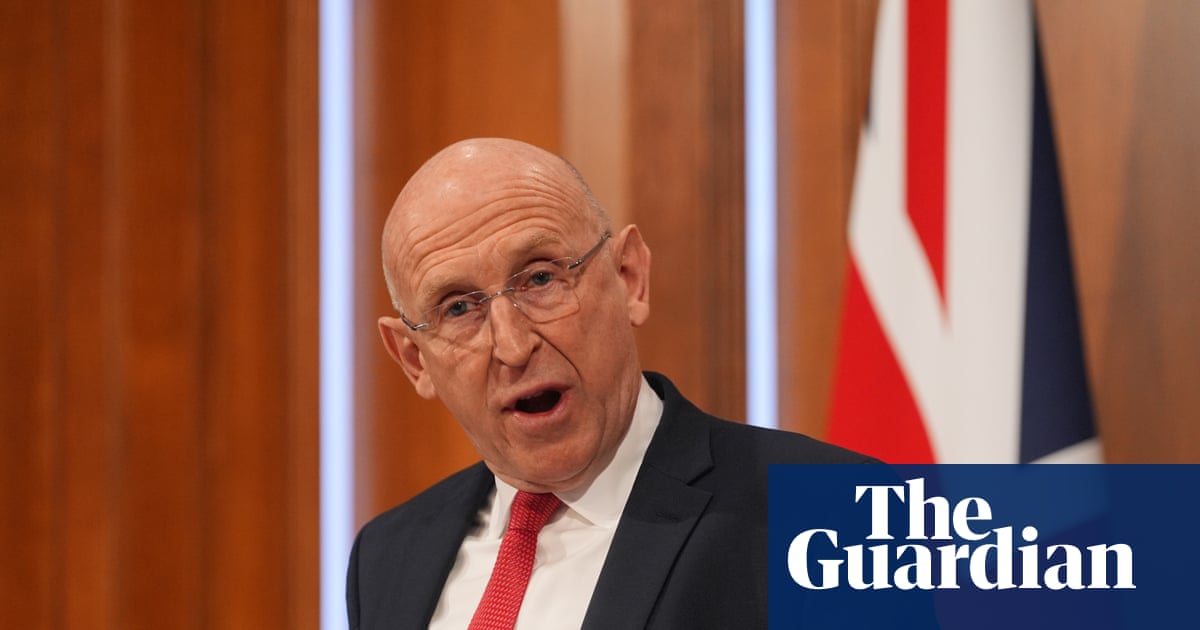
 The Guardian
UK navy foiled Russian submarines surveying undersea cables, defence minister says
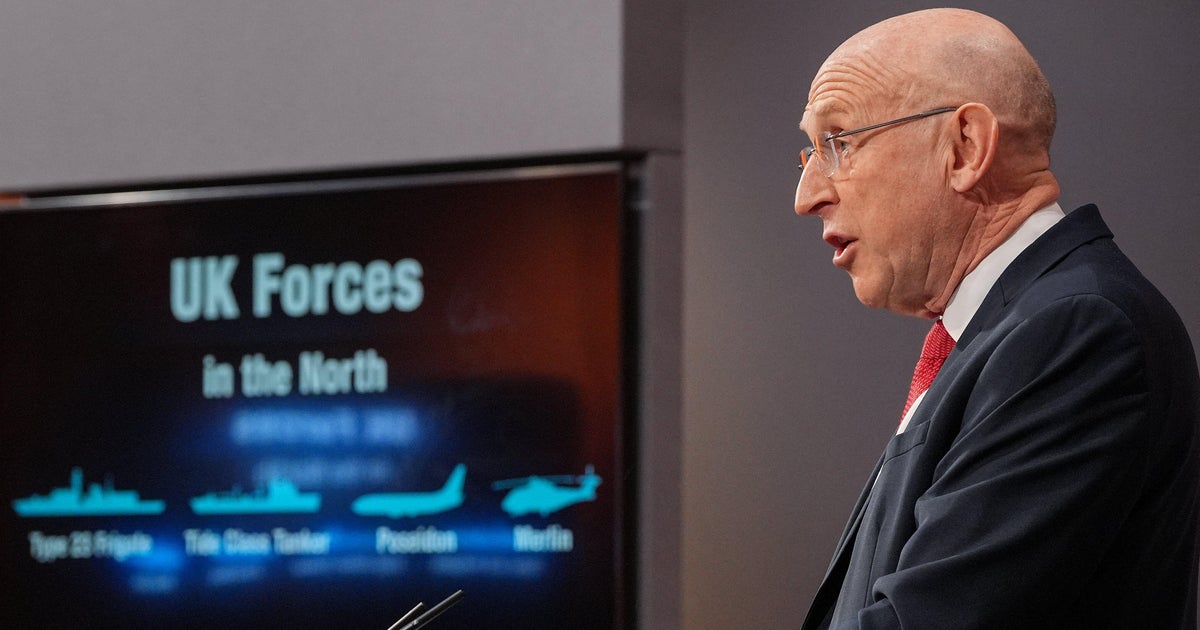
 CBS News
Military operation conducted to deter Russian submarines suspected of "malign activity" in North Atlantic
 Associated Press
UK and Norway led a military operation to deter Russian submarines in the North Atlantic
Overview
Defence Secretary John Healey said British and Norwegian forces tracked and deterred three Russian submarines, including an Akula-class attack sub and two GUGI deep-sea vessels, during a month-long operation over North Atlantic cables and pipelines.
Healey said the operation exposed covert Russian surveillance aimed at mapping vital infrastructure and warned any attempt to damage cables or pipelines would have serious consequences.
The Russian embassy denied the claims, TASS reported, while Prime Minister Sir Keir Starmer and Defence Ministry officials said they would verify there was no damage and maintain protection of UK infrastructure.
The operation involved about 500 UK personnel, and Britain depends on around 60 undersea cables that carry more than 90% of day-to-day internet traffic, officials said.
Healey said the UK and allies will continue to monitor undersea activity, use gathered intelligence to learn about Russian tactics, and pursue joint anti-submarine measures with Norway.
Analysis
Center-leaning sources frame the story as a security threat led by allies, prioritizing defense voices and deterrence rhetoric. By leading with U.K. and Norwegian officials, emphasizing words like 'nefarious' and 'malign activity,' and briefly noting Russia's dismissal, coverage stresses imminent risk and Western response while minimizing Russian rebuttals or broader diplomatic context.