Putin Orders 32-Hour Easter Ceasefire; Zelensky Signals Reciprocity
Putin declared a 32-hour ceasefire from 4 p.m. Saturday to the end of Sunday, while Zelensky had earlier proposed a holiday pause including a halt to strikes on energy infrastructure via U.S. mediation.
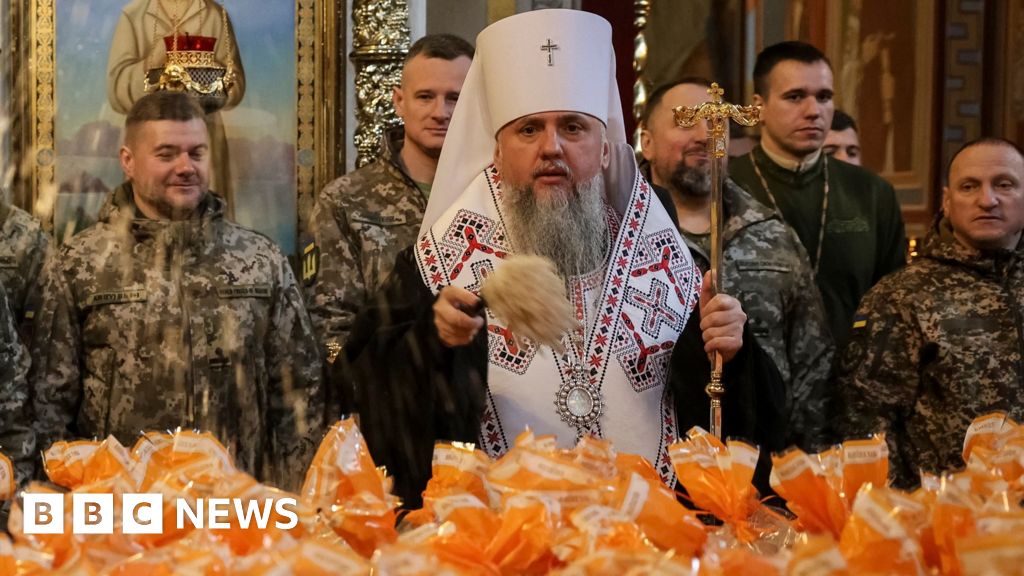
 BBC News
Russia and Ukraine agree to truce for Orthodox Easter
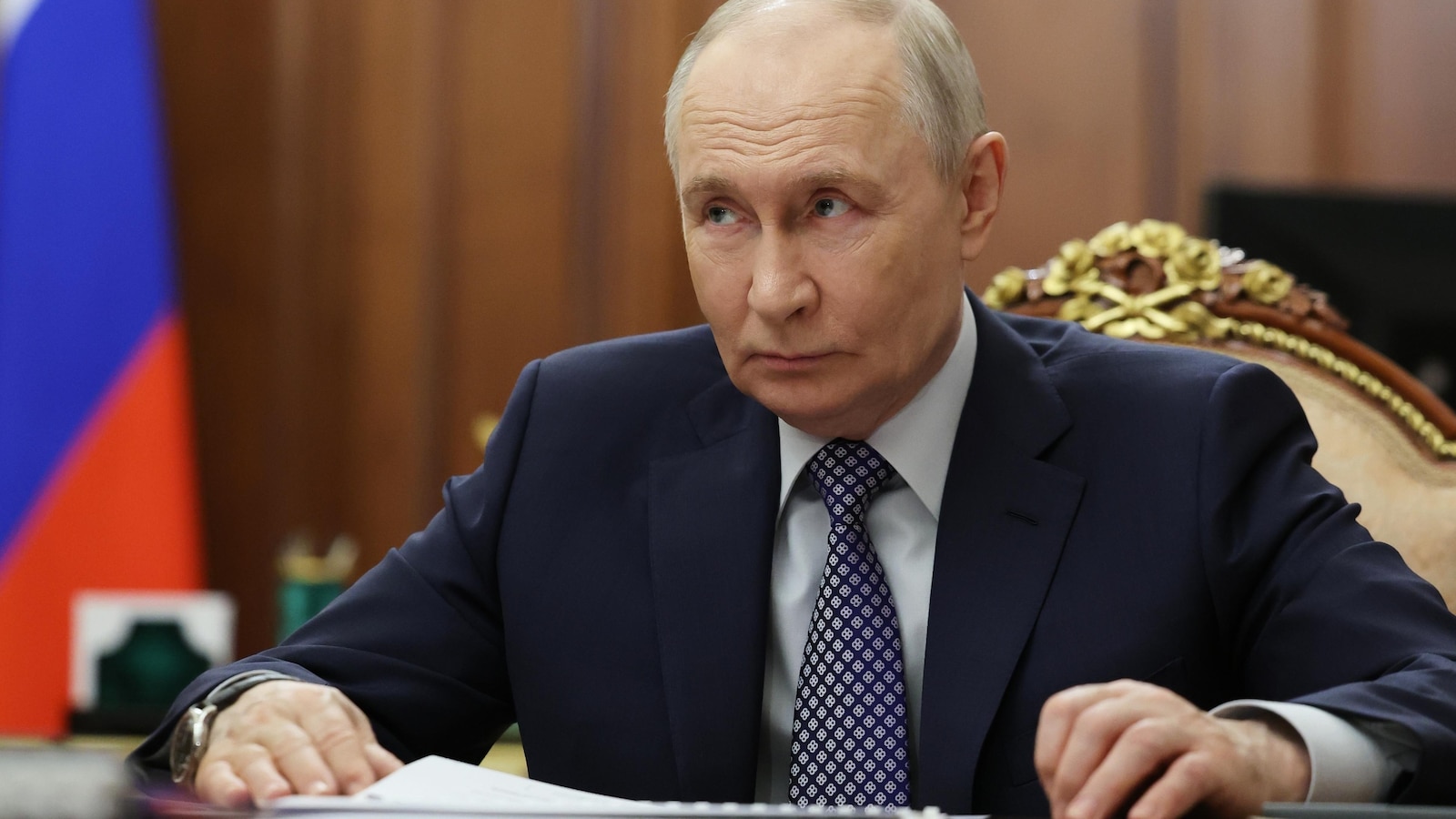
 ABC News
Russia's Putin declares a ceasefire in Ukraine for Orthodox Easter
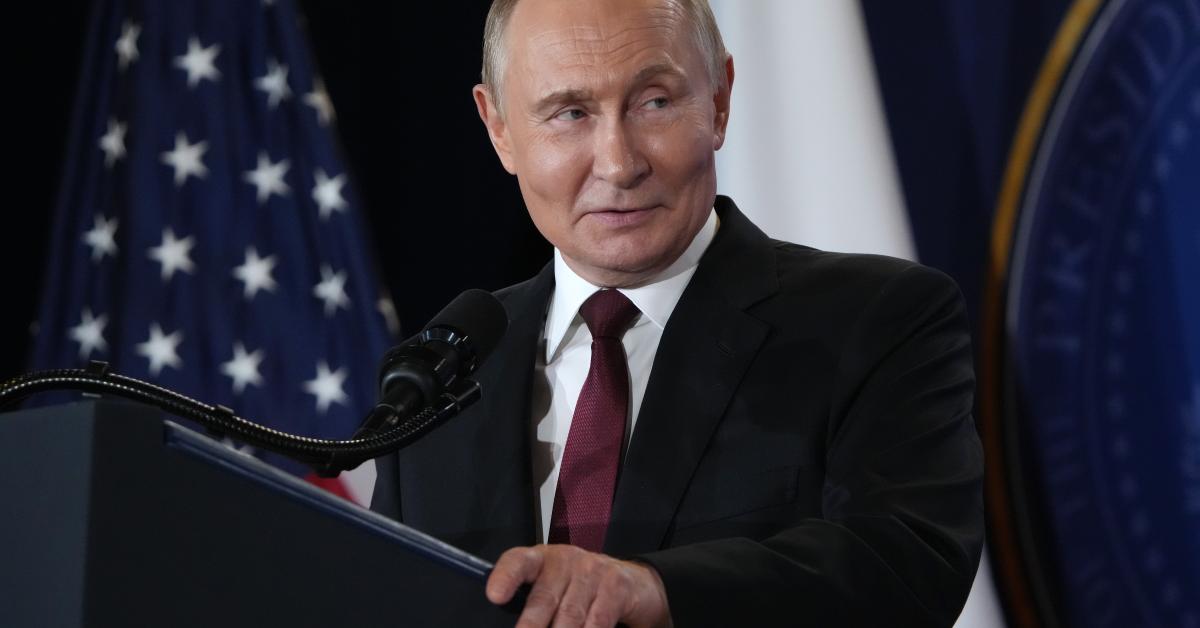
 Just the News
Putin announces ceasefire in Ukraine for Orthodox Easter
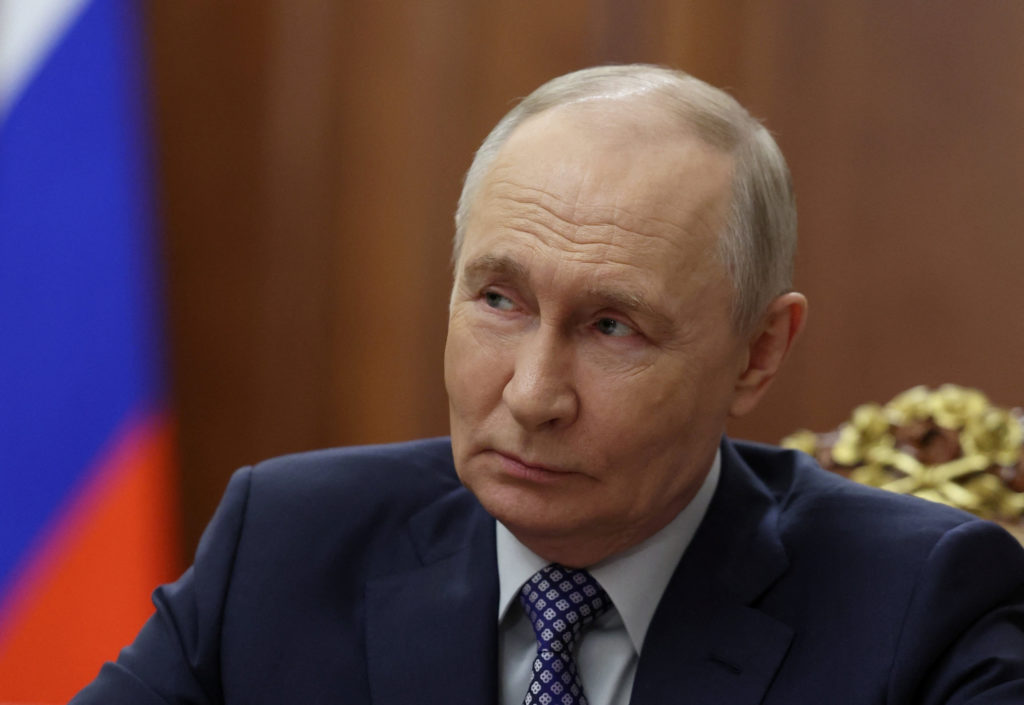
 PBS NewsHour
Putin declares weekend ceasefire in Russia's war against Ukraine for Orthodox Easter
Overview
Russian President Vladimir Putin declared a 32-hour ceasefire in Ukraine beginning at 4 p.m. Saturday and lasting until the end of Sunday.
Ukrainian President Volodymyr Zelensky had earlier called for a holiday pause and proposed that both sides stop targeting each other’s energy infrastructure through the United States.
Kremlin spokesman Dmitry Peskov called the pause an exclusively humanitarian initiative and said Russian troops must be ready to counter possible provocations, while Zelensky said people need an Easter free from threats.
Previous short ceasefires have had little or no impact, including a unilateral 30-hour pause last Easter and a failed proposed three-day truce in May 2025, according to Ukrainian accounts.
Troops were ordered to be prepared to intercept aggressive actions, soldiers expressed skepticism about whether the truce would hold, and Zelensky said Russia has a chance not to resume strikes after Easter.
Analysis
Center-leaning sources frame the announcement skeptically, stressing its unilateral character and prior failed Easter truces. Editorial choices favor Kremlin wording as source content but highlight omissions (no Kyiv response), past breaches, and stalled diplomacy, using emphasis on history and U.S. attention shifting to the Middle East to suggest the ceasefire’s limited credibility.