Vance Heads to Islamabad as Strait of Hormuz Remains Blocked
U.S. Vice President JD Vance will meet Iranian officials in Islamabad while the Strait of Hormuz remains largely closed, disrupting shipping and oil flows.

 CNBC
CNBCU.S. oil slips below $100 as Trump demands reopening of Strait of Hormuz
 BBC News
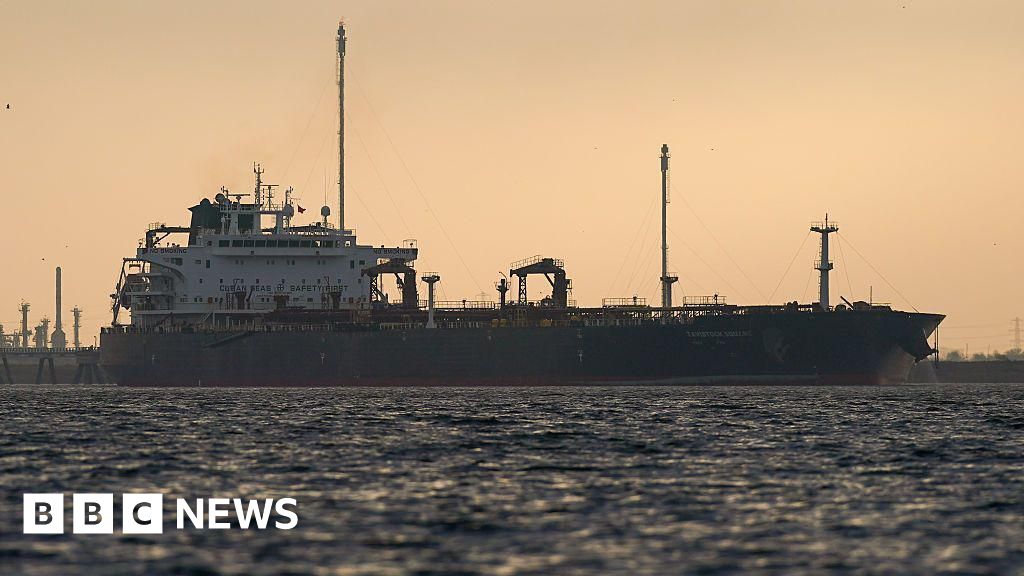
Tankers urged not to pay fee to Iran to use Strait of Hormuz
 CBS News
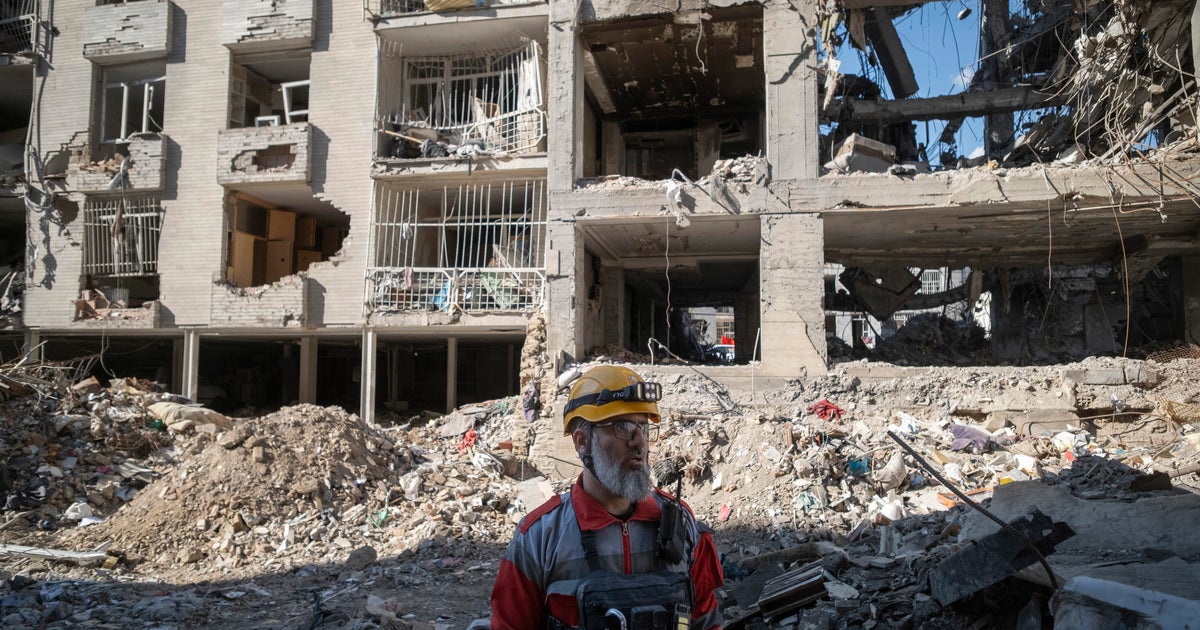
Live Updates: U.S., Iran prepare for talks as shaky ceasefire holds, Strait of Hormuz traffic remains low

 New York Post
Israel continues to attack Lebanon ‘non-stop’ as Hezbollah warns it’s ‘more determined’ than ever to thwart it
Overview
U.S. Vice President JD Vance will meet Iranian representatives in Islamabad on Saturday, with NSC, State Department and Defense Department officials joining him and Special Envoy Steve Witkoff and Jared Kushner also traveling for talks.
A two-week ceasefire agreement between the U.S. and Iran announced on Tuesday was to include reopening the Strait of Hormuz, but the waterway remains largely closed amid continued strikes and stalled traffic.
Intertanko, representing 190 independent tanker operators and more than half of the world's oil tanker fleet, advised members not to pay Iran tolls for passage through the Strait of Hormuz.
Only 15 vessels have transited the Strait of Hormuz since Tuesday compared with an average of almost 140 per day before the war, leaving almost 800 ships stranded in the Gulf.
Lebanon says it will take part in direct negotiations with Israel next week only if a ceasefire is in place beforehand, and Lebanese officials have not yet appointed a representative for talks.
Analysis
Center-leaning sources emphasize risk to commercial shipping and legal norms by foregrounding industry voices and international bodies while spotlighting Iranian threats. Examples: the lead quotes Intertanko advising against tolls, use of phrases like "de facto rule" and noting the IRGC's terrorist designation, and economic-impact framing (reduced traffic, stranded ships) with limited direct Iranian perspective.