Fuel Protests Paralyze Ireland, Spread Into Northern Ireland
Blockades of Ireland's sole refinery and depots left roughly 500 to 600 of 1,500 stations dry and prompted police and military readiness.
 BBC News
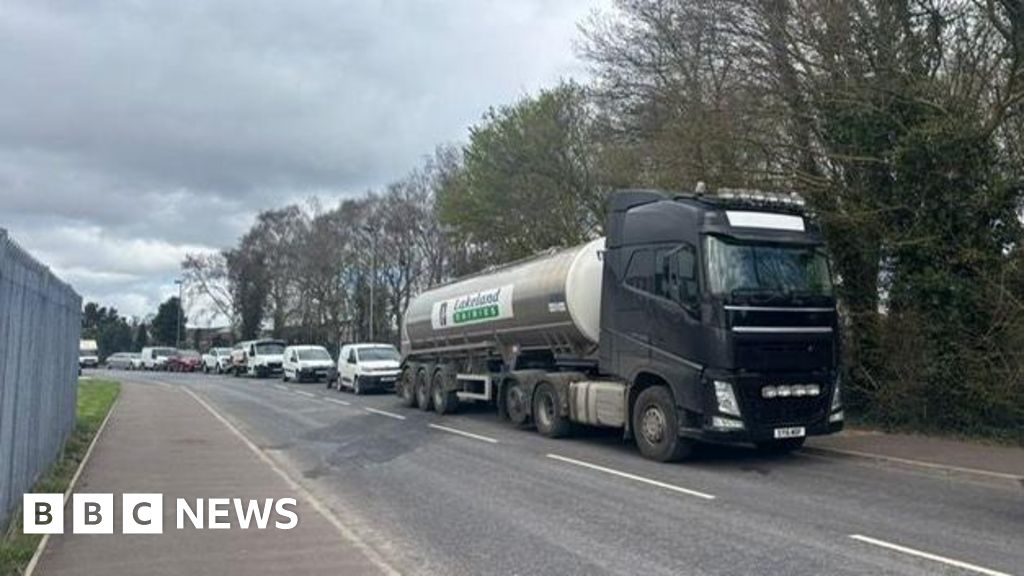
NI fuel protesters 'stand in solidarity' with Irish counterparts
 ABC News
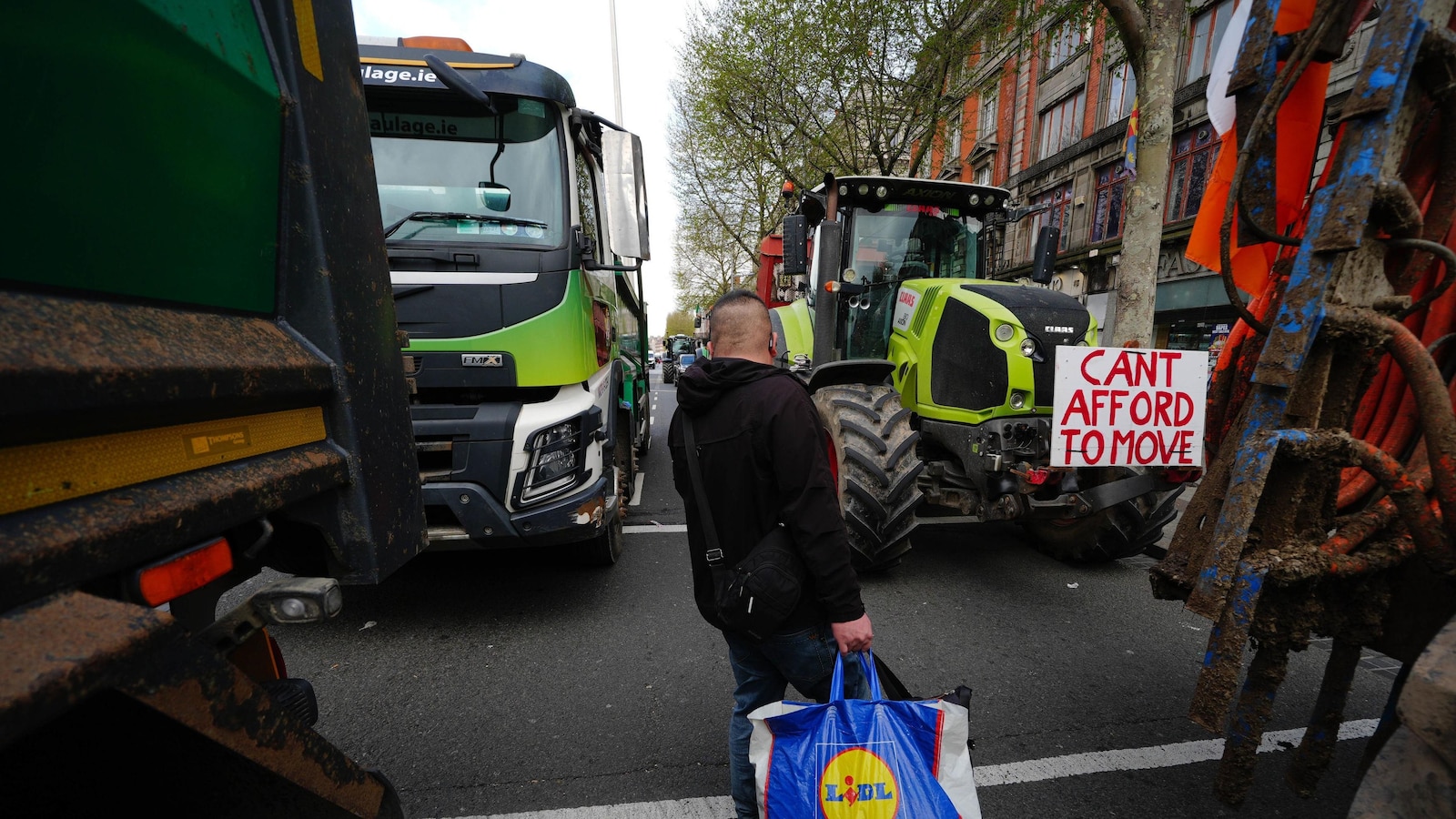
Fuel protests disrupt Ireland as over a third of service stations run dry
 Fortune
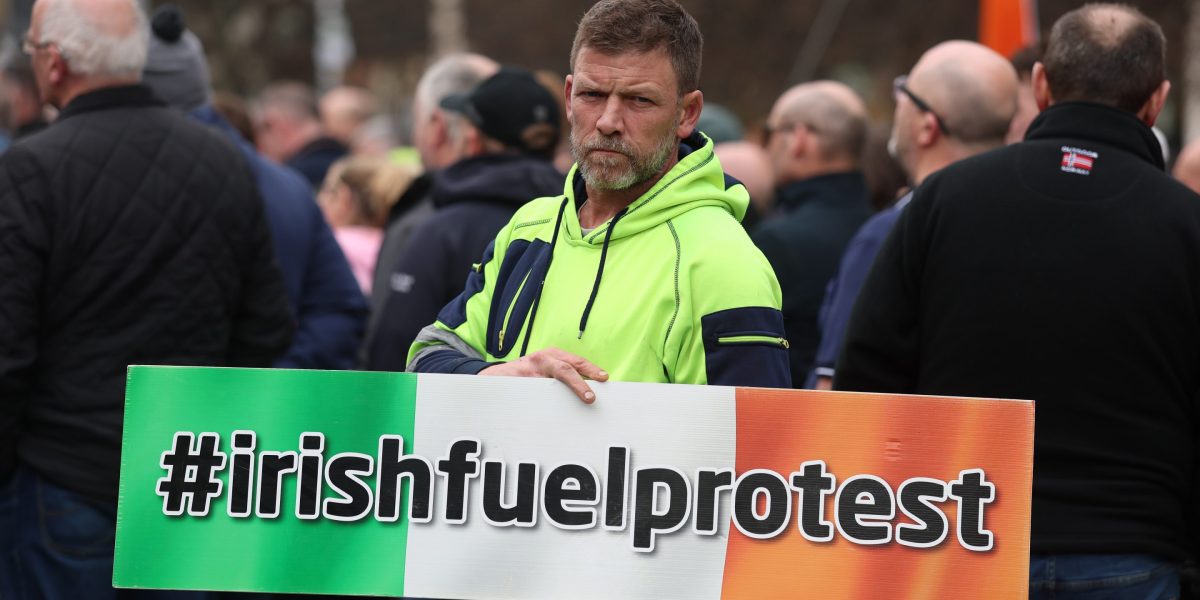
Over a third of Ireland's fuel stations are empty and truck and tractor drivers are protesting nationwide | Fortune
 Associated Press
Irish police clear demonstrators to reopen refinery as fuel protest causes chaos
Overview
On Saturday police cleared Ireland's only oil refinery, used pepper spray and made unspecified arrests to reopen the site, officials said.
The demonstrations began on Tuesday and by Saturday had expanded to block a refinery, multiple depots, ports and major roads amid slow-moving convoys in Northern Ireland expressing solidarity.
The government held talks, placed police on notice and stood the military on standby, while Prime Minister Micheál Martin and police commissioner Justin Kelly warned enforcement would be stepped up.
Fuels for Ireland CEO Kevin McPartlan said roughly 500 to 600 of the republic's 1,500 service stations were out of fuel and more outages were expected if blockades continued.
Negotiators reported progress in talks on Saturday as police escorted fuel tankers from hubs and Northern Ireland convoys, which left an industrial estate at 15:30 BST, said they were sending a message to politicians.
Analysis
Center-leaning sources emphasize public-order and economic disruption, foregrounding police and government voices to frame the protests as dangerous and illogical. Headlines and verbs like "causes chaos" and "holding the country to ransom" amplify urgency. Protester motives appear mainly through individual quotes, reducing structural context about long-term grievances or policy alternatives.