U.S. Begins Blockade of Iranian Ports, Raising Global Energy Fears
Blockade began at 10 a.m. ET Monday after failed Islamabad talks; oil near $100 a barrel and shipping through the strait remains sharply curtailed.

 CBS News
Stocks edge up, oil hovers around $100 a barrel after U.S. begins partial blockade Strait of Hormuz
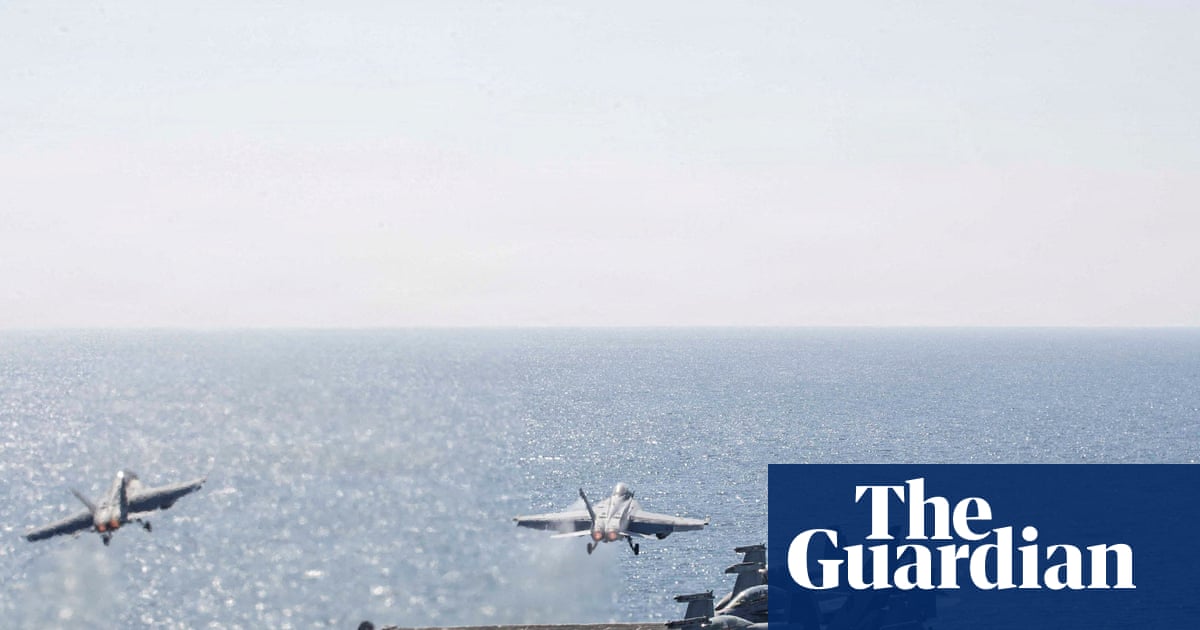
 The Guardian
Oil price dips below $100 a barrel after Trump claims Iran wants deal
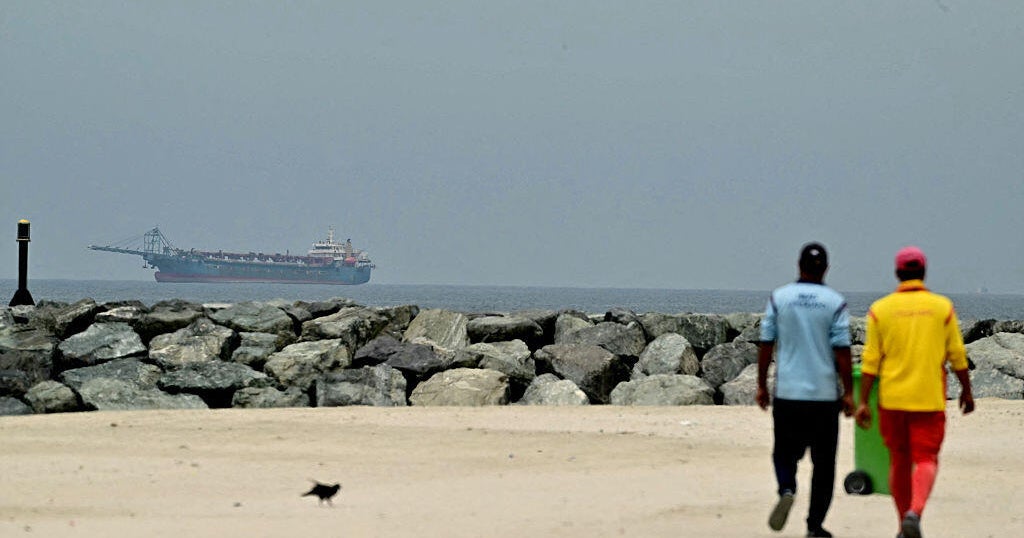 CBS News
Live Updates: U.S. military blockade on Iranian ports in the Strait of Hormuz begins

 The Post Millennial
EXCLUSIVE: President Trump confirms that China wants crisis in Iran, Strait of Hormuz to end
Overview
A U.S. blockade of Iran's ports and a partial blockade of the Strait of Hormuz began at 10 a.m. ET on Monday, U.S. officials said.
The blockade followed failed weekend peace talks in Islamabad, with Vice President JD Vance saying the U.S. delegation returned without a deal over Iran's nuclear commitments.
Iranian officials warned the blockade would raise energy prices and a defense spokesperson said Iran would respond decisively to any foreign interference.
Global oil benchmarks rose to roughly $99 to $105 per barrel, and shipping through the strait remained far below prewar levels, averaging about 10 ships per day in April versus roughly 129 per month before the war.
British Prime Minister Keir Starmer and French President Emmanuel Macron said they will convene world leaders this week to press for reopening the Strait of Hormuz and a diplomatic end to the conflict.
Analysis
Center-leaning sources present this story neutrally: they prioritize factual market data, official statements and analyst comment, and include direct quotes from Iranian and U.S. actors. Language is largely descriptive rather than evaluative, with concrete prices, index moves and sourced reactions, minimizing editorial judgment while focusing on economic impacts.