U.S. Naval Blockade Strains Iran Talks and Global Energy Markets
A U.S. naval blockade of Iranian ports has halted some shipping, followed Islamabad talks that produced no deal, and risks higher oil, gas and food prices while talks may resume in Pakistan.
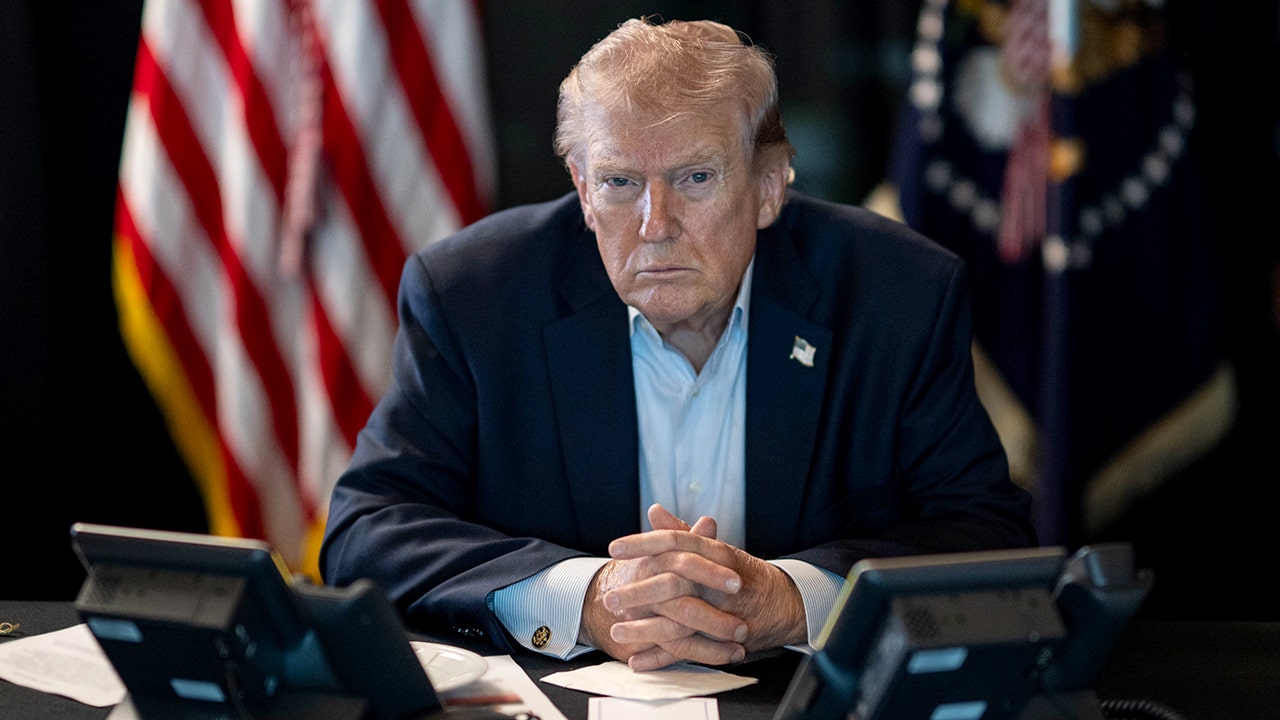
 Fox Business
Trump says Iran war is 'very close to being over' as peace talks are expected to resume
 The Guardian
US-Iran peace talks could resume in next two days, Trump says
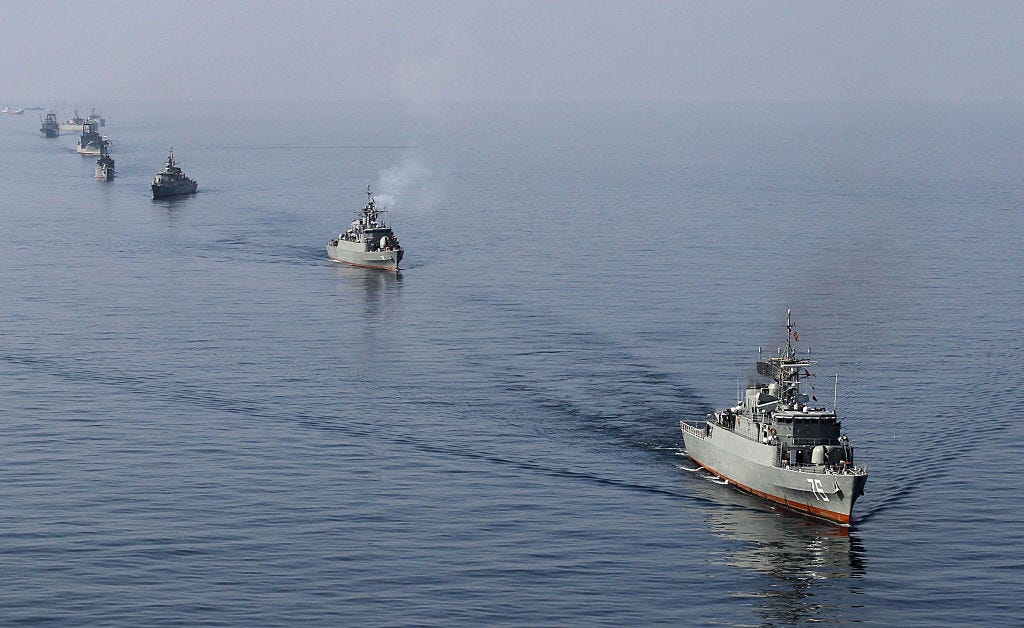
 The Free Press
Trump’s Iran Blockade Is Functioning—But Will It Work?
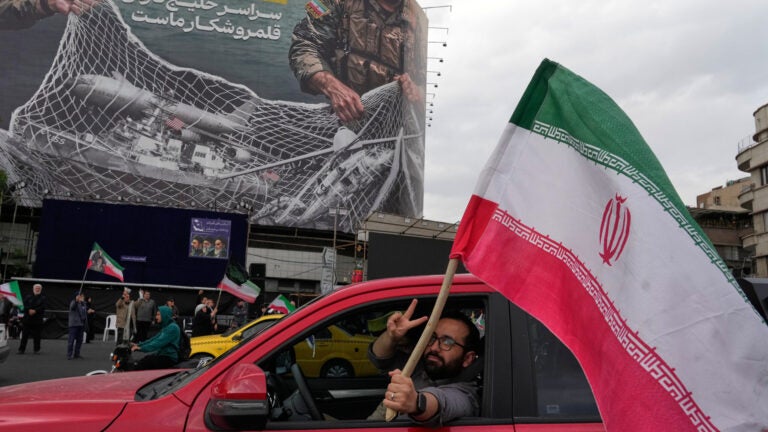
 Boston Globe
How a US blockade near the Strait of Hormuz could work and the impact ahead for the global economy
Overview
U.S. Central Command reported that over a 24-hour period no ships made it past the U.S. blockade and six merchant vessels complied with direction from U.S. forces to turn around to re-enter an Iranian port on the Gulf of Oman.
President Donald Trump announced the blockade after talks in Islamabad ended without a deal, and he said U.S.-Iranian talks could resume in Islamabad over the next two days.
Pakistani officials said talks might restart soon, Vice President J.D. Vance said Iran holds the deciding hand, and U.N. Secretary-General António Guterres urged negotiations to continue.
Nearly 20% of the world’s traded oil flows through the Strait of Hormuz, crude traded above $100 a barrel on Monday before dipping to about $95 after reports of talks, and American drivers faced average gas prices above $4.12 a gallon, up from $2.98 before the war.
The two-week ceasefire is set to end on Wednesday 22 April, and Pakistani officials are racing to arrange a meeting before then as the blockade continues.
Analysis
Center-leaning sources frame the U.S. blockade as contested and strategically risky, emphasizing diplomatic backlash and economic fallout. They foreground Chinese and regional criticism, highlight selected expert and military details, and juxtapose administration claims with denials and analysis. Examples: loaded terms ('dangerous and irresponsible'), curated quotes from Guo and Xi, and opinion framing.