Israel and Lebanon Agree 10-Day Ceasefire as U.S. Pushes Broader Peace
A 10-day ceasefire begins at 17:00 EST to allow talks toward a permanent Israel-Lebanon agreement while U.S.-Iran negotiations also advance; Lebanon’s deaths reached 2,196, officials said.

 CNBC
CNBCOil falls as Trump reiterates Iran war ‘should’ end soon and Israel-Lebanon truce lifts hopes

 Al Jazeera
Lebanon celebrates as 10-day ceasefires starts; Trump says Iran deal close
 PBS NewsHour
Israel agrees to 10-day ceasefire in Lebanon as U.S. pushes for broader peace deal
 PBS NewsHour
Why the Israeli and Lebanese governments accepted a ceasefire – and will Hezbollah abide?
Overview
Israel and Lebanon agreed a 10-day ceasefire starting at 17:00 EST on Thursday, US President Donald Trump said.
The ceasefire is designed to allow negotiations toward a permanent security and peace agreement and to support broader U.S.-Iran talks, US officials said.
Prime Minister Benjamin Netanyahu confirmed Israel's participation but said Israeli troops would maintain a 10km security zone, while Hezbollah said it would join only if attacks halted comprehensively.
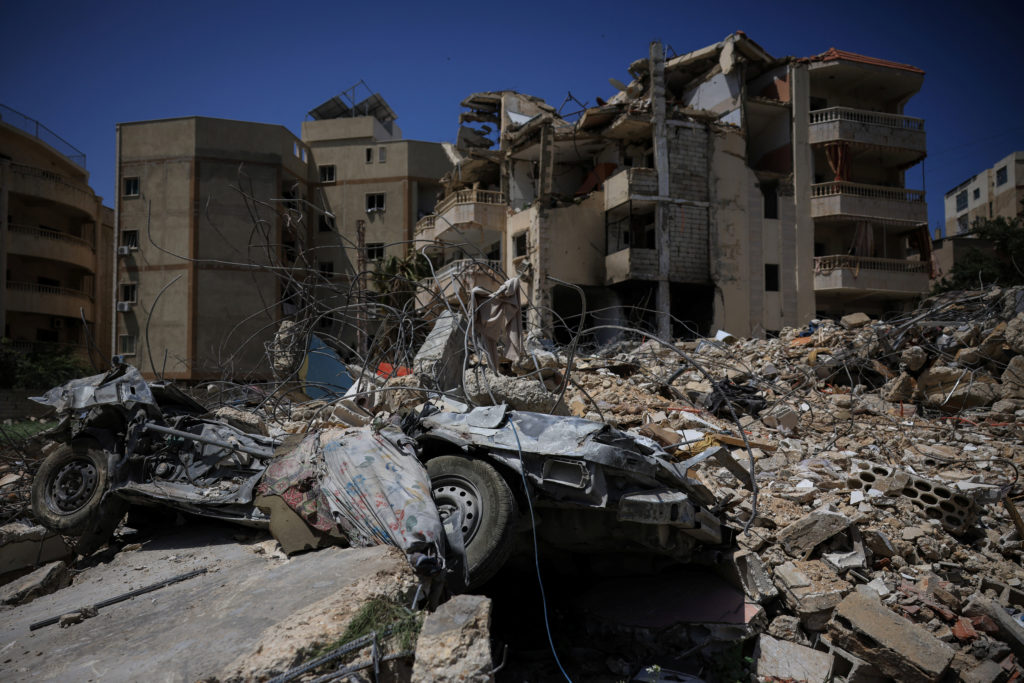
Lebanon's health ministry said 2,196 people have been killed, including 260 women and 172 children, more than a million people have been displaced, and 37,000 homes were destroyed or damaged.
The US State Department said the truce may be extended by mutual agreement, and Trump said he would invite Netanyahu and Lebanon's President Joseph Aoun to the White House.
Analysis
Center-leaning sources frame the ceasefire as a U.S.-brokered diplomatic win that foregrounds Israeli security and state sovereignty. editorial choices — labels like Iran-backed, emphasis on a 10km security zone and references to a state's right to self-defence — prioritize security and diplomacy, while humanitarian suffering is reported but secondary.