U.S. Blockade Halts Traffic Through Strait of Hormuz, Turning Back Iran‑Tied Ships
U.S. blockade of Iranian ports has stopped 13–14 vessels and left roughly 800 ships stranded in the Persian Gulf, threatening major oil flow through the Strait of Hormuz.
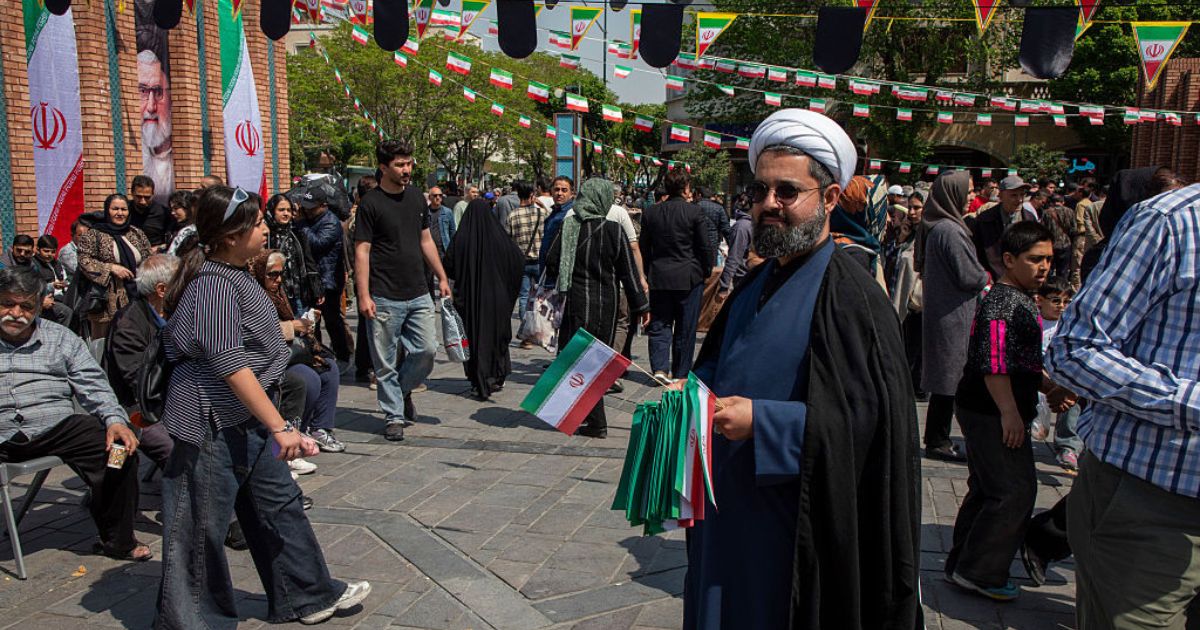
 Western Journal
Iranian Economy on the Brink: US Blockade Leaves Country with Weeks of Oil Production Left

 New York Post
Strait of Hormuz now totally blocked — with US stopping 14 Iran-tied tankers and hundreds of others too scared to cross
 New York Post
Iran has just weeks of oil storage left before it has to halt crude production: report
 Western Journal
US Warns it Will 'Actively Pursue' Any Vessels Attempting to Aid Iran Outside of the Middle East
Overview
U.S. forces said they have enforced a blockade of Iranian ports, preventing roughly 13 to 14 ships from transiting and warning vessels to turn back or face force.
The blockade has effectively stopped traffic through the Strait of Hormuz, a chokepoint that carries 20% of the world’s oil, after conventional daily transits of more than 130 ships fell during the conflict.
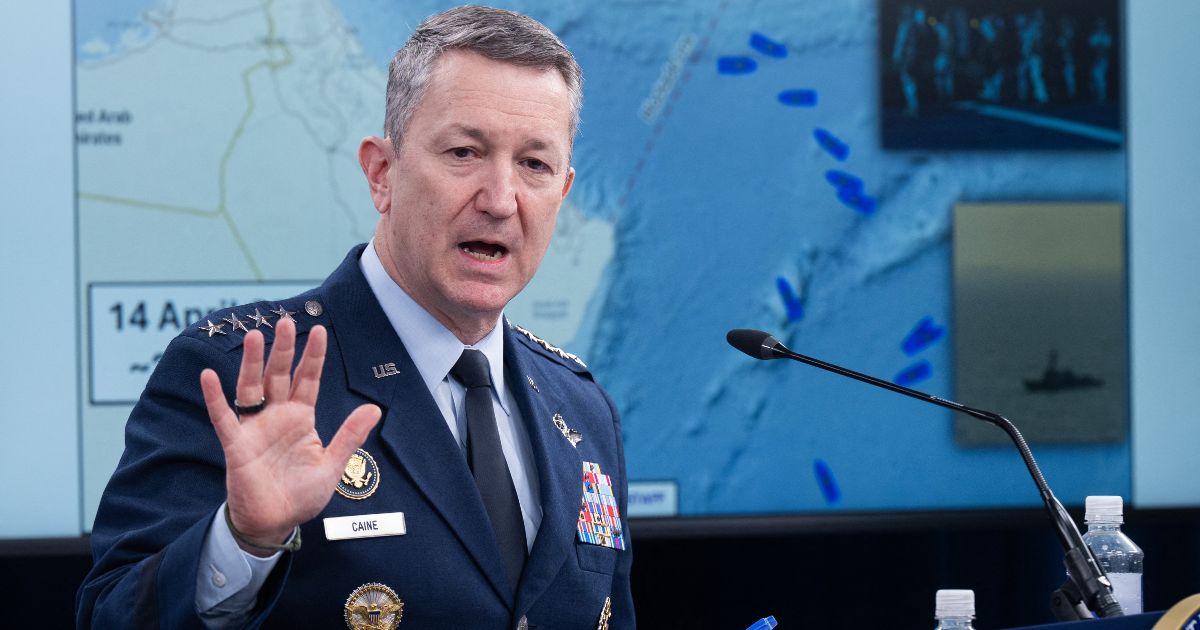
Defense Secretary Pete Hegseth warned Iran to 'choose wisely' and said the U.S. is prepared to resume strikes if Tehran refuses a deal, while Gen. Dan Caine said the ceasefire remains in place.
U.S. Central Command and Pentagon officials said more than 10,000 U.S. personnel, about a dozen warships and dozens to more than 100 aircraft are involved, and about 800 vessels including over 300 tankers are stuck.
U.S. commanders said the blockade will continue 'for as long as it takes,' no ships have been boarded so far, and forces are prepared to board, search and seize vessels suspected of aiding Iran.
Analysis
Center-leaning sources frame the blockade skeptically by foregrounding enforcement challenges and humanitarian risks, prioritizing historians and academics and historical analogies (World War I, World War II, Ukraine) while distinguishing administration wording like 'choke off' and 'strangle'; structural choices (three lessons: enforceability, effectiveness, unintended civilian harm) steer readers toward doubt.