Ceasefire Brings Returnees as Israeli Forces Hold Ground in South Lebanon
U.S.-brokered 10-day truce prompted returns even as Israeli forces published an operations map and strikes continued; casualties and displacement reach thousands, and probes into peacekeeper and soldier incidents are underway.

 Straight Arrow News
Israeli military posts map of areas in south Lebanon where it is operating
 NBC News
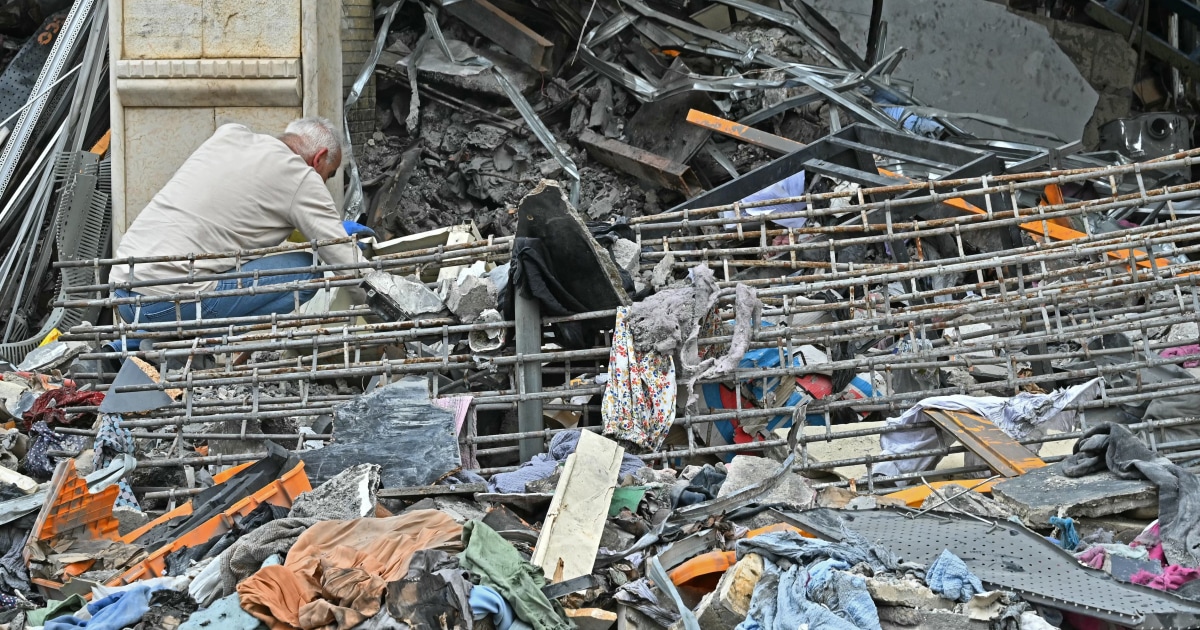
After Lebanon ceasefire, people displaced by Israeli strikes return to what's left of their homes
 Truthout
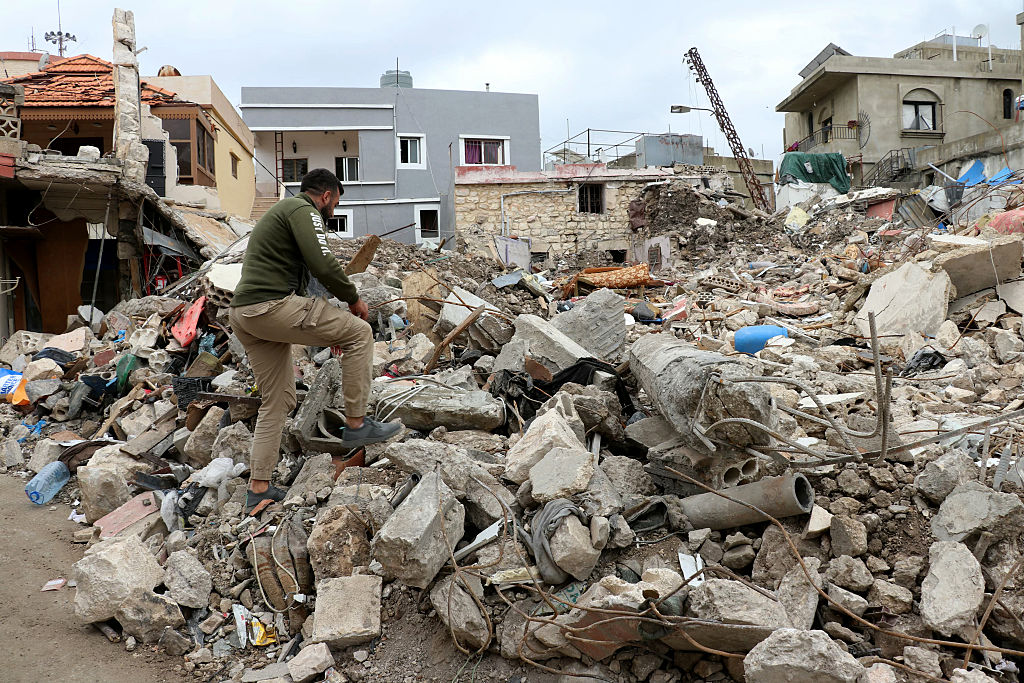
Israel Intensifies Destruction Across Southern Lebanon Despite Ceasefire

 RedState
Israel Blindsided by Trump 'Prohibiting' Attacks in Lebanon on Truth Social
Overview
U.S. President Donald Trump announced a 10-day ceasefire between Israel and Hezbollah that prompted thousands of displaced families to begin returning to southern Lebanon, according to reporting.
Returnees found widespread destruction of homes and villages after Israeli strikes, leaving many families homeless, residents and local officials said.
Despite the ceasefire, the Israeli military published a map of where its forces operate in southern Lebanon and said it conducted aerial and ground strikes, Israeli military and Lebanese officials said.
Sources reported roughly 2,100 to 2,300 people killed in Lebanon and roughly 1 million to 1.2 million displaced, while one report said more than 40,000 homes were destroyed or damaged.
The ceasefire commits both sides to U.S.-facilitated negotiations and leaves open Israel's right to act in self-defense, while investigations continue into attacks on UN peacekeepers and alleged misconduct by an Israeli soldier.
Analysis
Center-leaning sources frame the story around civilian suffering and tenuous peace, using evocative language (e.g., 'fragile calm') and vivid details of rubble, traffic and returnees. They prioritize Lebanese civilian and Hezbollah-supporting perspectives and highlight quotes blaming Israel, while offering little Israeli official context—creating emphasis on humanitarian impact over strategic or Israeli viewpoints.