Gunman Opens Fire At Teotihuacán Pyramids, Killing Tourist
A 27-year-old gunman killed a Canadian tourist and wounded several others at the Pyramid of the Moon while carrying materials referencing the 1999 Columbine attacks, officials said.
 PBS NewsHour
Gunman at Mexican pyramids carried materials related to 1999 Columbine massacre

 CNN
CNNShooting of tourists at Mexican pyramids shakes country weeks ahead of World Cup | CNN
 FOX News
Mexico temple gunman ranted about pyramid's gruesome history to hostages: ‘Don’t move, or I’ll sacrifice you’

 New York Post
Mexico temple gunman ranted about ancient building’s gruesome history to hostages: ‘Don’t move, or I’ll sacrifice you’
Overview
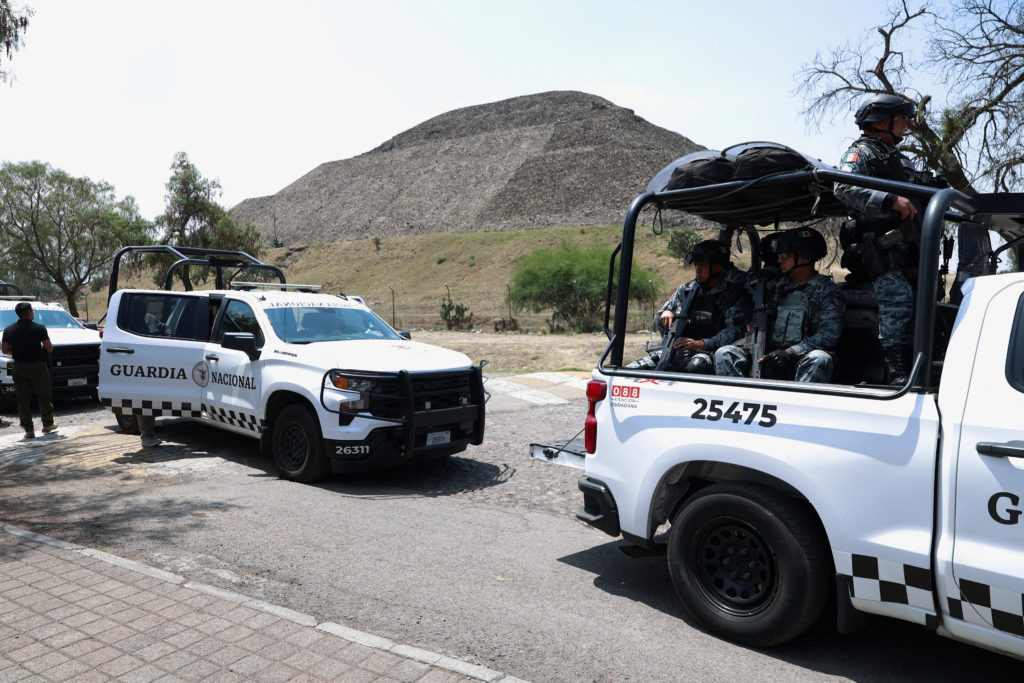
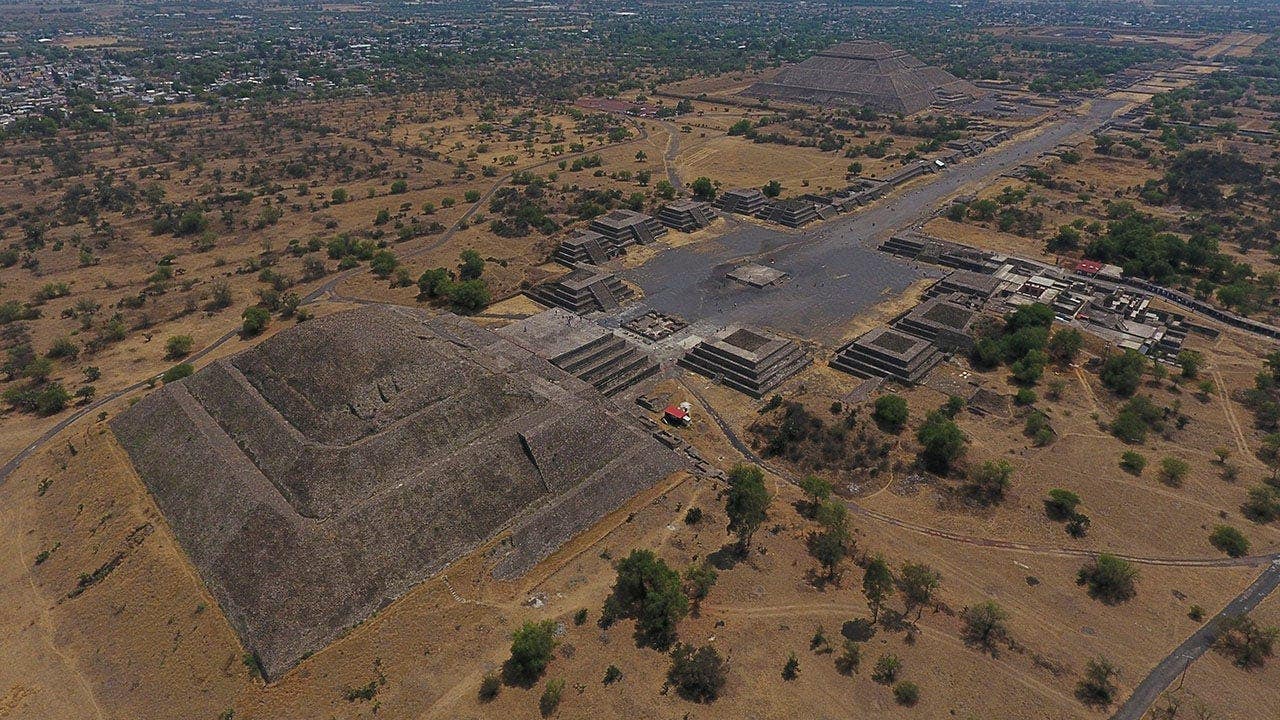
A gunman opened fire atop the Pyramid of the Moon at Teotihuacán, killing a Canadian woman and wounding seven people with gunshots before fatally shooting himself, authorities said.
Officials identified the attacker as 27-year-old Julio César Jasso Ramírez and said he had visited the site before the attack and stayed in nearby hotels, suggesting premeditation.
Attorney General José Luis Cervantes Martínez said investigators found a tactical-style backpack with a firearm, a knife, 52 .38-caliber cartridges, an analog cellphone, bus tickets and literature tied to U.S. 1999 attacks.
Authorities said seven people were wounded by gunshots and six others suffered injuries, and hospitalized tourists included six from the U.S., three from Colombia and nationals of Russia, Brazil, the Netherlands and Canada.
Officials said Teotihuacán will reopen on Wednesday but access to the Pyramid of the Moon will remain closed until further notice, and security officials said they will strengthen protections as Mexico prepares to host 13 World Cup matches from June 11 to July 5.
Analysis
Center-leaning sources frame the attack as a copycat, security-threat story by foregrounding alleged Columbine-linked materials, an AI image, and official warnings about "external influences" and World Cup safety. Editorial choices—selecting those details, emphasizing tourist nationalities and government security responses—steer readers toward policy/security implications, while quoted forensic claims remain source content.