U.S. Strikes Iranian Sites After Attacks In Strait Of Hormuz
U.S. forces struck Iranian missile, drone and command sites after Iran attacked three U.S. destroyers, pushing oil above roughly $102 per barrel and testing a ceasefire under negotiation.

 CNBC
CNBCCNBC Daily Open: Who shot first? Hormuz heats again as ceasefire and oil markets in peril
 BBC News
Oil prices rise after US and Iran exchange fire in Hormuz strait
 CNBC
CNBCOil resumes rally as U.S.-Iran fire exchange rattles fragile Hormuz ceasefire
 CBS News
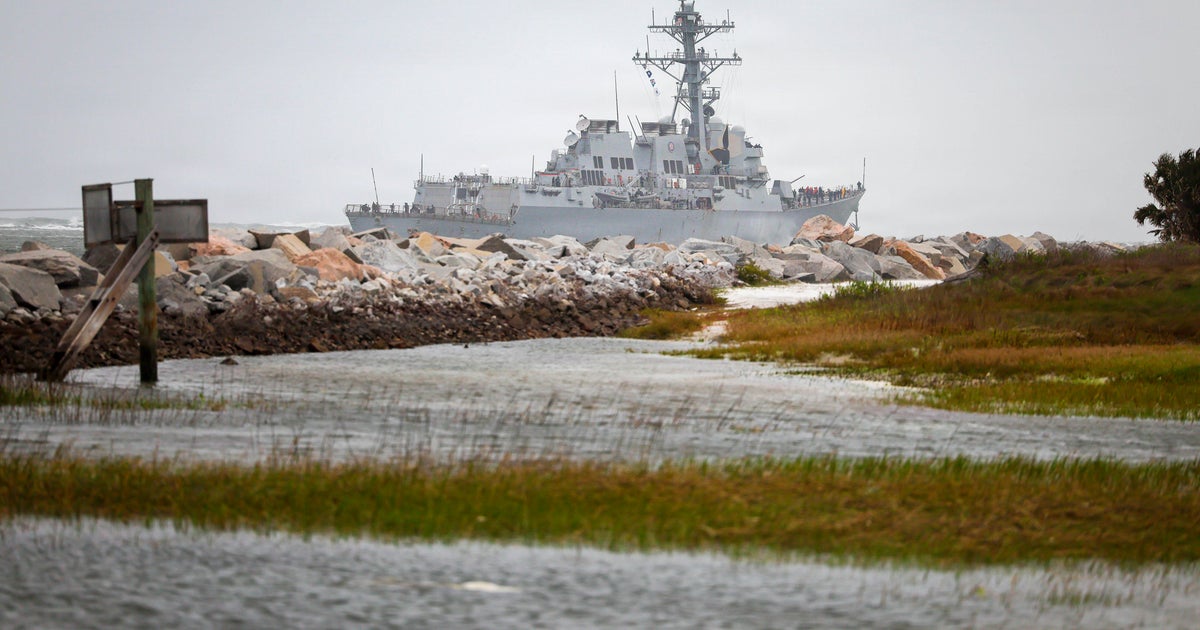
U.S. strikes 2 Iranian ports as American warships come under fire
Overview
The U.S. military launched strikes Thursday on Iranian military facilities after Iran fired missiles, drones and small boats at three U.S. destroyers transiting the Strait of Hormuz, CENTCOM said.
The strikes targeted missile- and drone-launch sites, command-and-control locations, and intelligence and surveillance hubs after what CENTCOM called "unprovoked" Iranian attacks on USS Truxtun, USS Rafael Peralta and USS Mason.
President Donald Trump called the strikes "just a love tap" and said the ceasefire remained in effect, while Iranian state media accused the U.S. of violating the ceasefire and claimed significant damage.
Oil prices rose, with Brent roughly $102.32 to $102.70 per barrel and U.S. crude roughly $96.76 to $97 per barrel, and CENTCOM said the U.S. had destroyed six Iranian small boats on Monday.
U.S. and Iran are reportedly deliberating over a peace memorandum to end the war and halt Iran's nuclear program, and the U.S. has paused Project Freedom as negotiations continue and no in-person talks have been announced.
Analysis
Center-leaning sources frame the incident as a US-led defensive response, foregrounding US military and presidential statements while treating Iranian claims as state media assertions. Editorial choices — early placement of US denials, selective quote prominence (Trump's 'love tap'), and emphasis on oil-market effects — steer readers toward a US-centric, de-escalatory narrative.