Cuba Exhausts Fuel Supplies As Havana Protests Over Blackouts
Cuba's energy minister said diesel and heavy fuel oil stocks are depleted, triggering protests and power outages of up to 22 hours in parts of Havana.
 Semafor
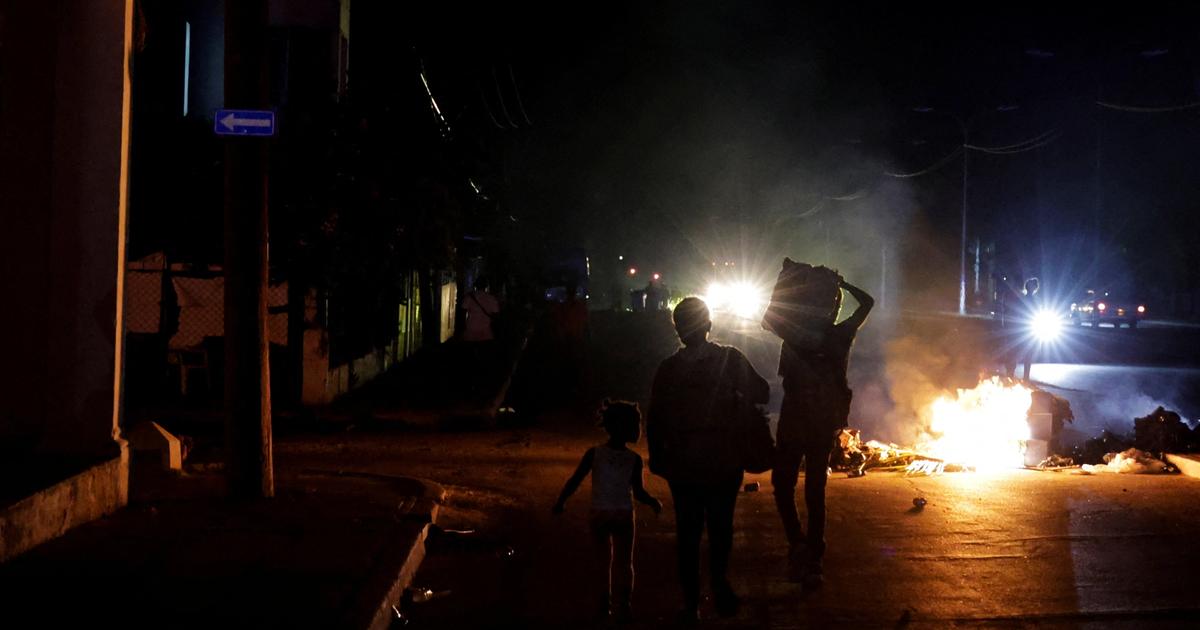
Cubans stage rare protests over power outages
 Epoch Times
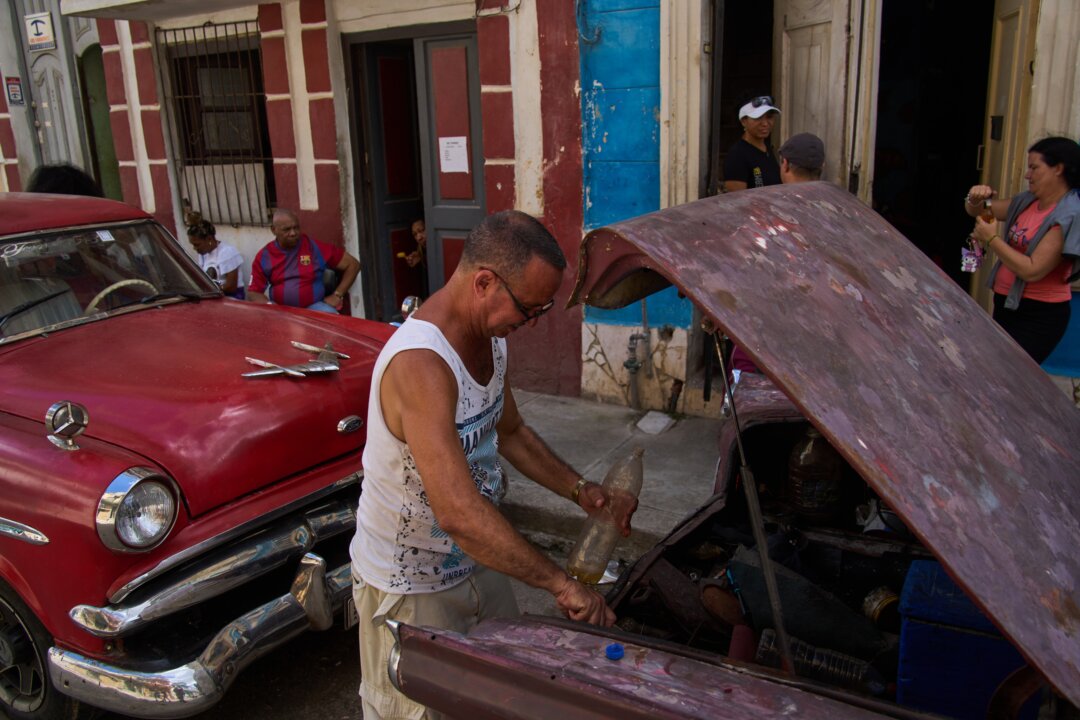
Cuba’s Energy Minister Says Nation Is Completely Out of Diesel, Fuel Oil
 El Pais
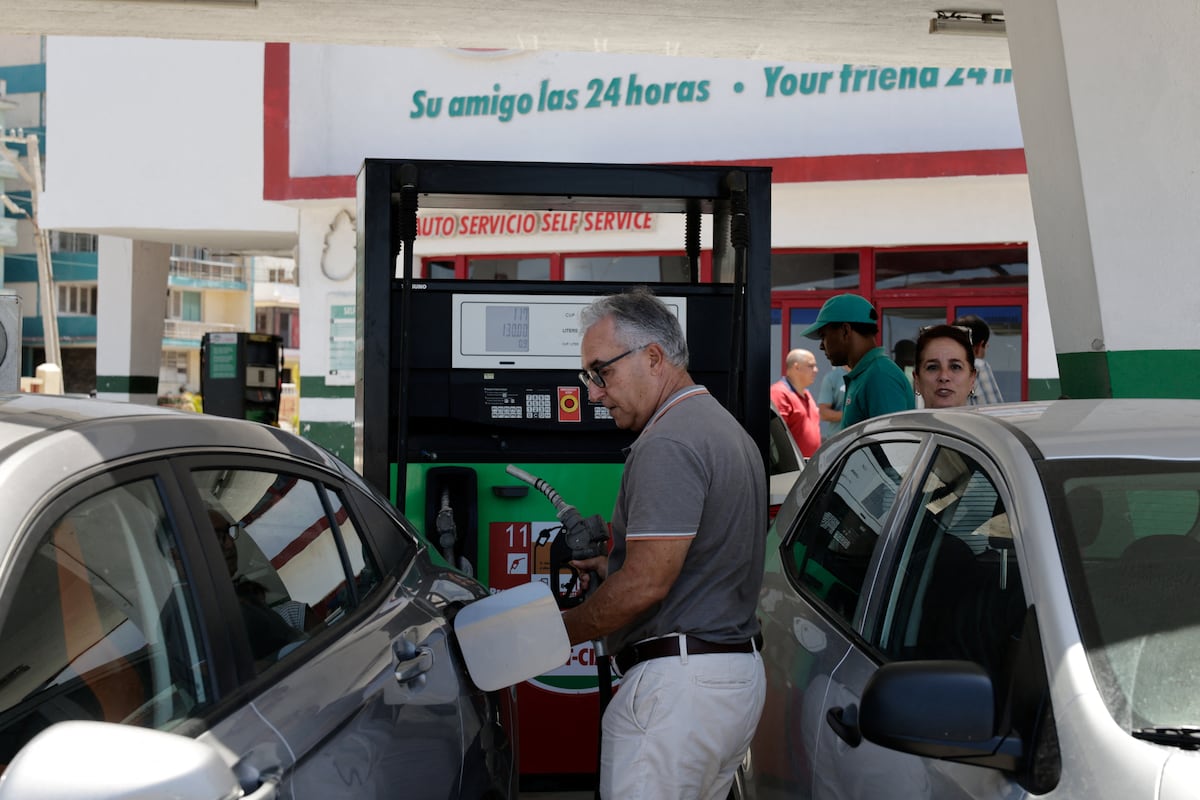
Cuba announces it has exhausted all its fuel reserves: ‘We have absolutely nothing’

 CNBC
CNBCCuba says oil and diesel supplies have run dry under U.S. sanctions
 Just the News
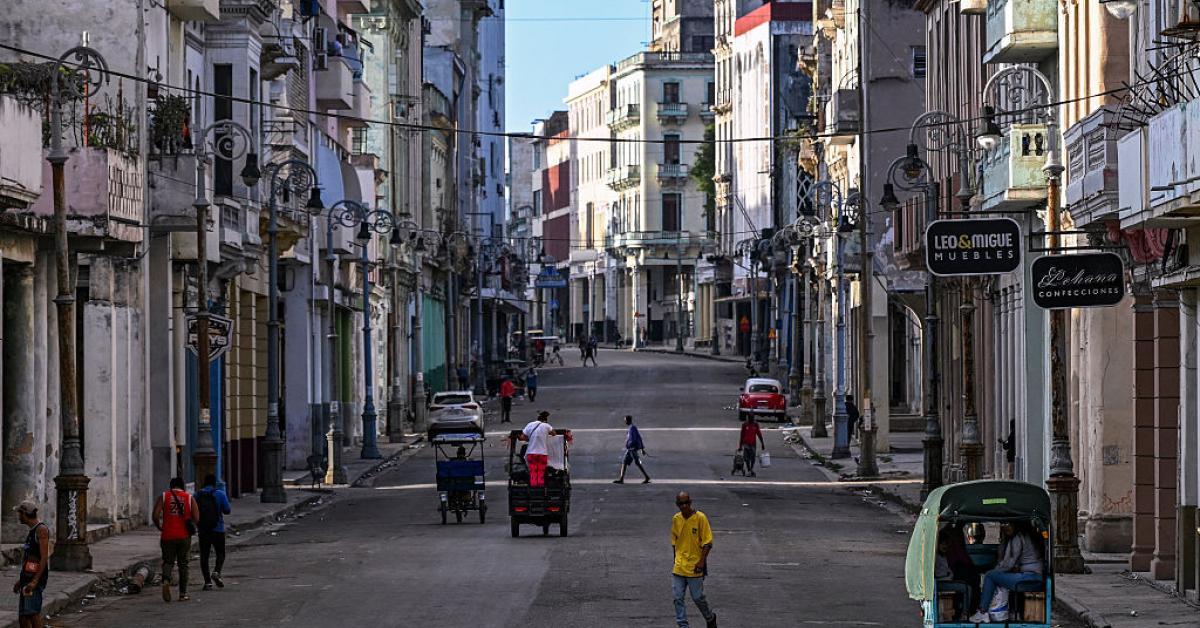
Cuban protestors demand 'turn on lights' as fuel crisis deepens amid U.S. oil blockade
Overview
Cuban Energy and Mines Minister Vicente de la O Levy said on May 13 that the country has absolutely no diesel or fuel oil and that its power grid has entered a critical state.
Reports said a U.S. blockade since January has blocked oil shipments and prompted blackouts lasting up to 22 hours a day in parts of Havana, straining hospitals and basic services.
Hundreds of protestors in Havana blocked roads with burning trash, banged pots, and shouted "Turn on the lights," while the U.S. State Department restated an offer of $100 million in aid.
Reports said Cuba relied on imports for roughly two-thirds of its energy demand, received a Russian tanker with 100,000 tons of crude at the end of March, and has about 1,300 megawatts of solar capacity.
The minister warned there are no reserves and called the situation "extremely tense" as authorities confront continuing outages and public unrest.
Analysis
Center-leaning sources frame the crisis mainly as a consequence of U.S. sanctions and a 'blockade,' foregrounding Cuban officials' stark claims about fuel shortages and visible protests while highlighting U.S. reactions. Editorial emphasis points to external blame and geopolitical conflict, with comparatively little examination of Cuba's domestic energy policy or alternative explanations.