U.S. Indicts Raúl Castro Over 1996 Plane Shootdown
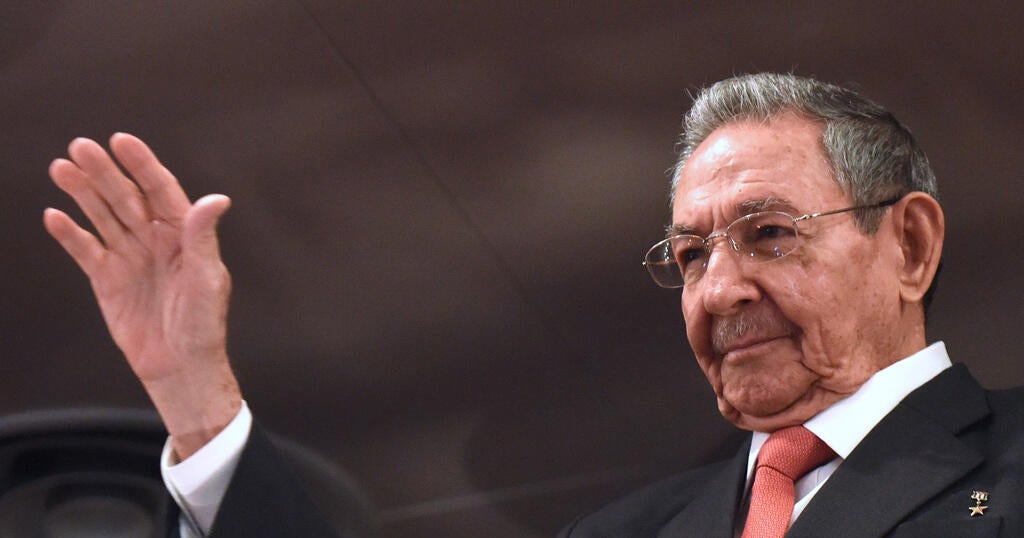
Indictment accuses 94-year-old Raúl Castro of conspiracy, murder and aircraft destruction over the Feb. 24, 1996 downing of two Brothers to the Rescue planes that killed four people.
 CBS News
U.S. indicts Cuba's Raúl Castro on murder and conspiracy charges for downing of planes in 1996

 The Gateway Pundit
WATCH: "We Have Cuba on Our Mind... We're Freeing Cuba" - Trump Speaks to Reporters Following Indictment of Raúl Castro, Won't Say Whether He'll Invade and Arrest Castro | The Gateway Pundit | by Jordan Conradson
 BBC News
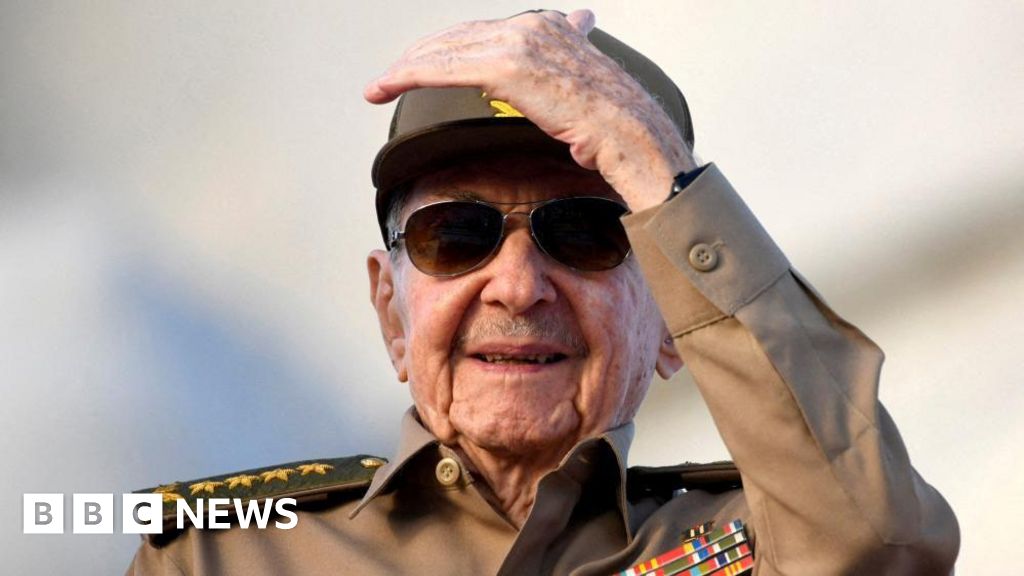
US charges former Cuban president Raúl Castro over 1996 downing of planes
 Epoch Times
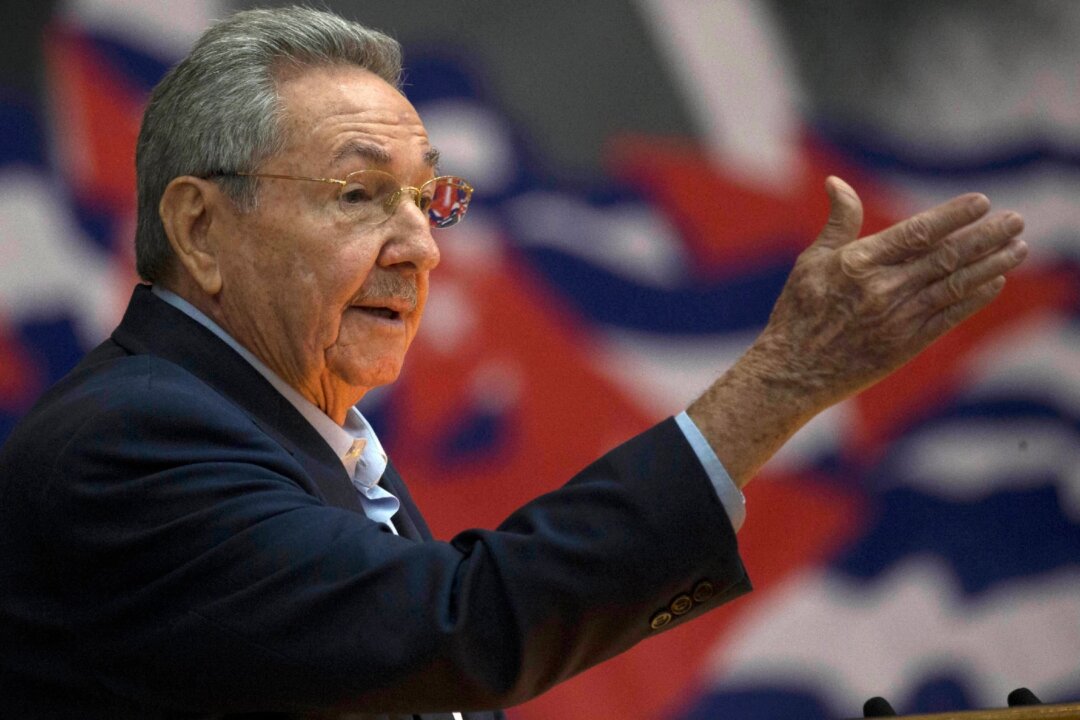
Who is Raul Castro, the Recently Indicted Cuban Politician?
Overview
Prosecutors in Florida unsealed an April 23 indictment charging Raúl Castro and five others with conspiracy to kill U.S. nationals, four murder counts and two counts of destruction of aircraft.
The indictment says Cuban MiG fighters shot down two Brothers to the Rescue Cessna planes on Feb. 24, 1996, killing three U.S. citizens and one green-card holder and says the planes were outside Cuban airspace.
Cuban President Miguel Díaz-Canel condemned the indictment as "a political action without any legal basis" and said the shootdown was "legitimate self-defense," while family members and Miami Cuban-American attendees welcomed the charges, officials said.
The indictment names five other defendants, including fighter pilot Lorenzo Alberto Pérez-Pérez, references a Wasp Network espionage effort and notes convictions of members such as Gerardo Hernández, officials said.
Acting Attorney General Todd Blanche said prosecutors intend to try the case and that he expects Castro to appear in the U.S. "by his own will or another way," though extradition remains uncertain, officials said.
Analysis
Center-leaning sources frame the indictment as part of a long pattern of Cuban hostility toward the U.S., emphasizing U.S. officials' statements and historical turning points while omitting Cuban government response. They foreground charged rhetoric (e.g., White House wording) and selectively trace events (1959, 1996, Trump designation) to support a continuity narrative.