Supreme Court Revives Lawsuits Over Havana Docks Seized After Cuban Revolution
Court ruled 8-1 that Havana Docks can sue cruise lines under the 1996 Helms-Burton Act for using docks confiscated in 1960, reviving more than $400 million in judgments.
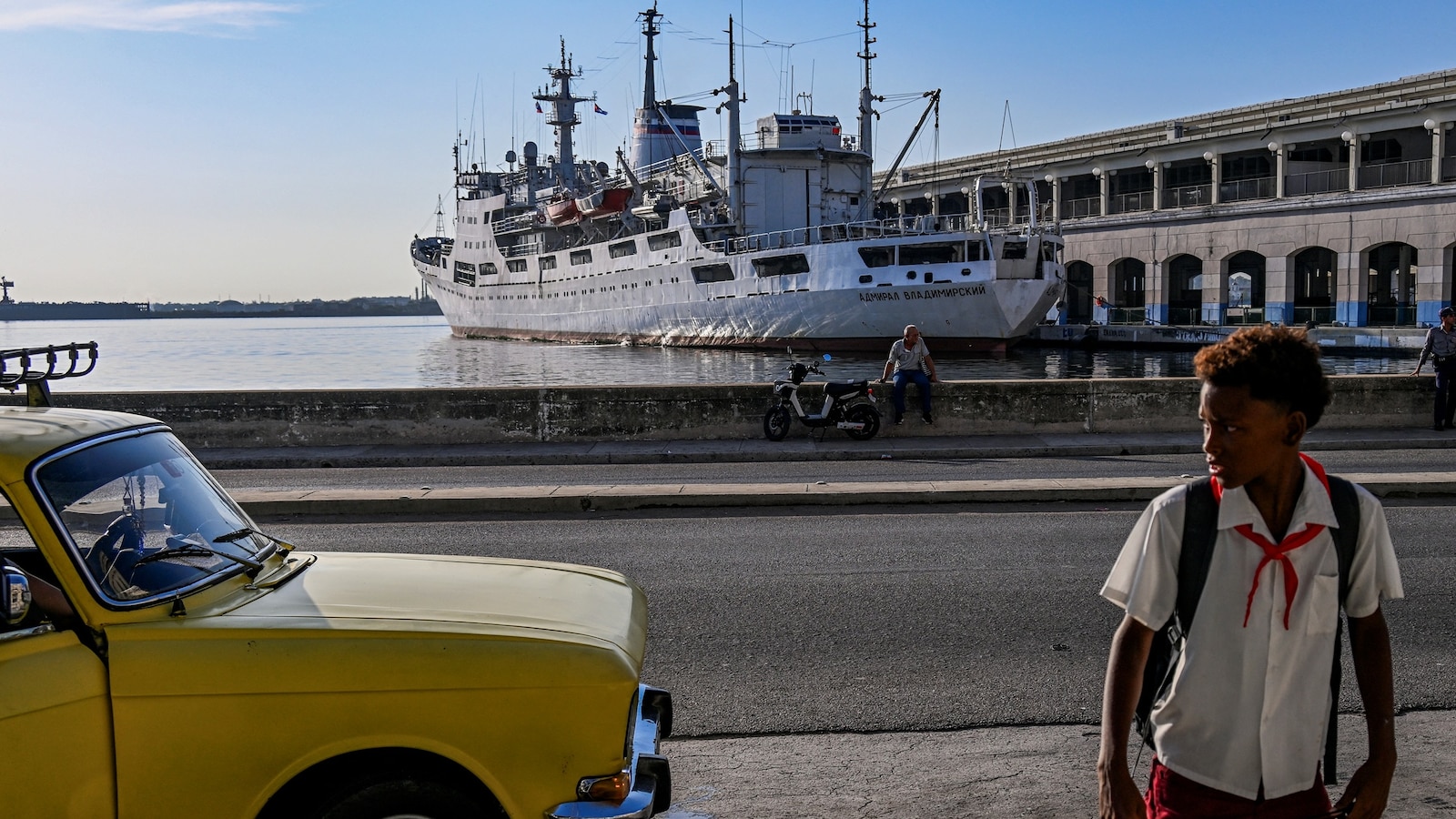
 ABC News
SCOTUS ruling allows lawsuits over property seized by Cuban government
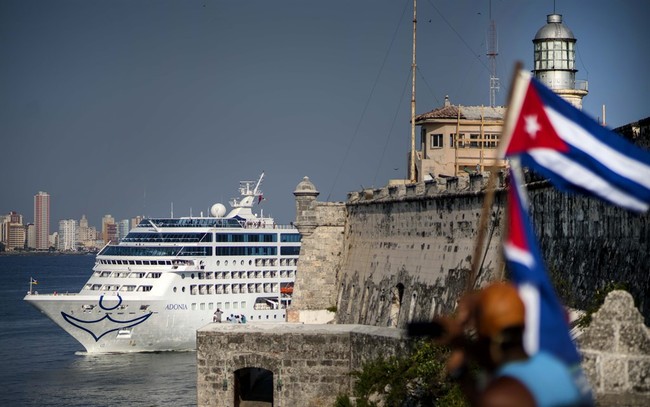
 Hot Air
Supreme Court: US Companies Can Sue Over Property Stolen by Cuba
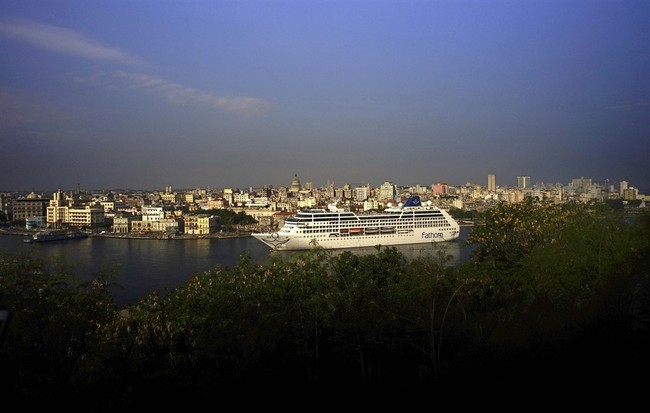
 RedState
Castro Communists Seized the Docks, but Now SCOTUS Opens Door to Making the Cruise Lines Pay

 Los Angeles Times
Cruise lines can be held liable for using docks seized under Castro, Supreme Court rules
Overview
The Supreme Court in an 8-1 decision revived Havana Docks Corporation's lawsuits against Royal Caribbean, Carnival, Norwegian, and MSC for using Havana docks confiscated in 1960.
Justice Clarence Thomas wrote that Title III of the 1996 Helms-Burton Act allows U.S. nationals to sue entities that 'traffic' in property seized by the Cuban government.
Justice Elena Kagan dissented that Havana Docks' time-limited operating interest expired in 2004, while Justices Sonia Sotomayor and Brett Kavanaugh concurred but cautioned against a 'limitless' reading.
A Miami federal judge had awarded Havana Docks more than $400 million, including $100 million from each cruise line, for stops made between 2016 and 2019.
The ruling sends the case back to lower courts, and the Supreme Court is still considering Exxon Mobil v. Corporacion Cimex with a decision expected in the coming weeks.
Analysis
Center-leaning sources present this coverage neutrally, focusing on factual chronology and legal details rather than advocacy. They cite court rulings, statutes (Helms-Burton), administrative decisions (Obama’s licenses, Trump’s activation) and procedural posture. Quotations are limited to official filings and rulings, and no partisan adjectives or omitted viewpoints skew the account.