U.S. Strikes in Iran Complicate Fragile Peace Talks
U.S. 'self-defense' strikes hit missile sites and boats during peace talks, Iran threatened retaliation, and President Trump’s social posts muddled a proposed deal including a 60-day ceasefire extension.

 PBS NewsHour
Iran says U.S. acting in 'bad faith' after strikes during peace talks
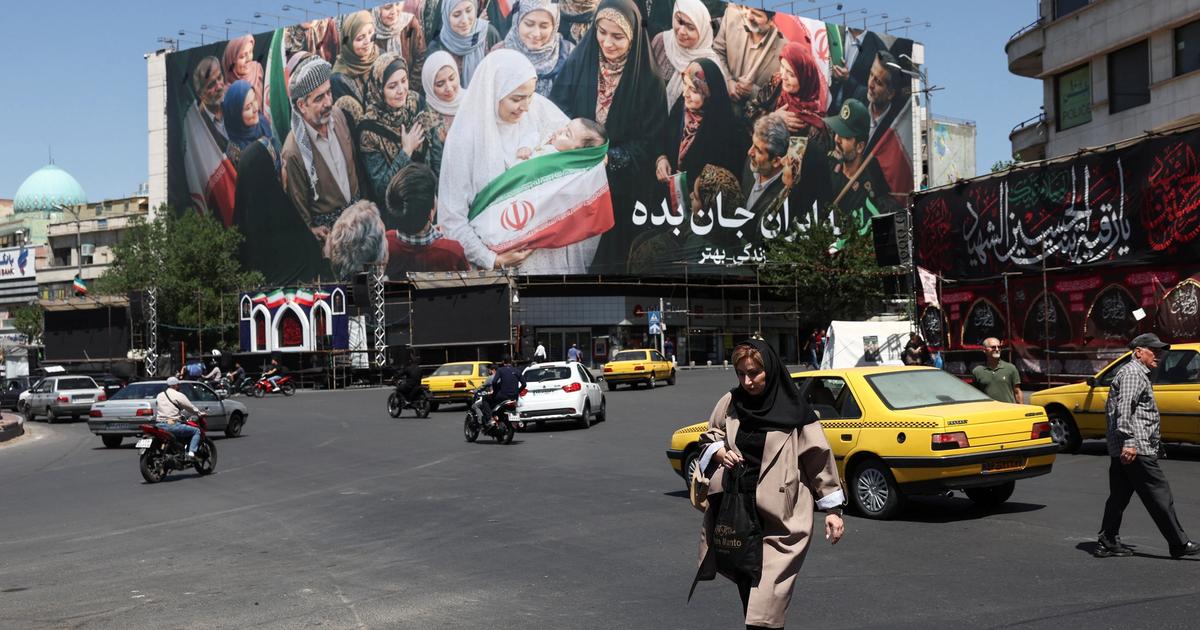
 Semafor
Iran threatens retaliation after US strikes
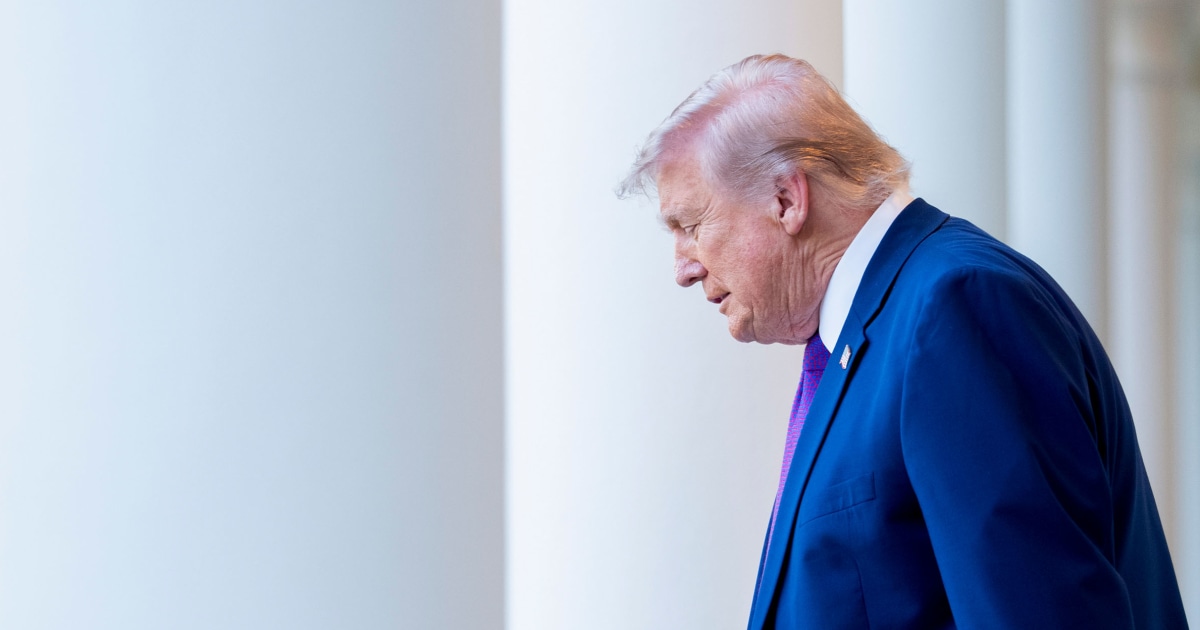
 NBC News
Deal or no deal? Trump’s social media posts add confusion to Iran conflict

 New York Magazine
Iran War Reaches Yet Another Confusing Endgame, Maybe: Live Updates
Overview
U.S. forces launched "self-defense" strikes in southern Iran on Monday, hitting missile launch sites and boats laying mines, U.S. Central Command said.
The strikes came while peace talks continued and amid a ceasefire that began on April 12, prompting Tehran to accuse the U.S. of acting in "bad faith."
President Donald Trump posted that a deal was "largely negotiated" then later said it "isn't even fully negotiated yet," while Iran's top negotiator remained at the table.
U.S. forces previously destroyed six Iranian small boats on May 4, struck missile and drone sites on May 7 and attacked two Iranian-flagged tankers on May 8, officials said.
The administration is pursuing a possible deal that could include a 60-day ceasefire extension, a stop to military activity and nuclear commitments, and the president is set to meet his cabinet at Camp David on Wednesday.
Analysis
Center-leaning sources appear neutral: they attribute charged claims to actors, balance US and Iranian statements, and offer contextual facts without endorsing either side. For example, the piece quotes Iran's 'gross violation' and Centcom's 'self-defence strikes,' notes uncertainty about strike impact, and supplies background on the ceasefire and Strait of Hormuz.