Hormuz Traffic Resumes
UN evacuates stranded sailors as tanker traffic rebounds after US-Iran tensions ease.




8
Articles
7
Sources
0%
Analysis & opinion
The reporting
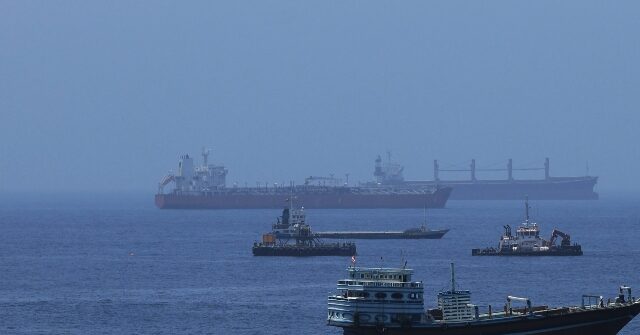
Center & RightTraffic through the Strait of Hormuz is resuming after a U.S.-Iran memorandum of understanding eased wartime disruptions that had left ships and crews trapped in the Persian Gulf. The United Nations’ International Maritime Organization says it has secured safety guarantees from Iran and the United States to begin moving more than 11,000 stranded seafarers through the waterway, with IMO Secretary-General Arsenio Dominguez calling it a large-scale operation conducted with regional cooperation. Maritime intelligence firm Kpler says at least 172 vessels have crossed since the deal was signed, including dozens in a single day, while more than 200 tankers appear ready to attempt passage. Iranian authorities still plan to limit the number of ships crossing each day, and mines and a large backlog continue to pose risks despite rising tanker traffic and easing pressure on oil markets.


Analysis & opinion
Trump Oil ClaimsLeans Right
President Donald Trump touted what he called a record flow of nearly 19 million barrels of oil through the Strait of Hormuz after the agreement with Iran, linking the increase to falling oil prices and Iran’s acceptance of expansive nuclear inspections.

Get tomorrow's edition
Every side, every morning — free in your inbox.