Super Typhoon Bavi Threat
Super Typhoon Bavi threatens Guam and nearby U.S. Pacific territories with fierce winds.



Summary
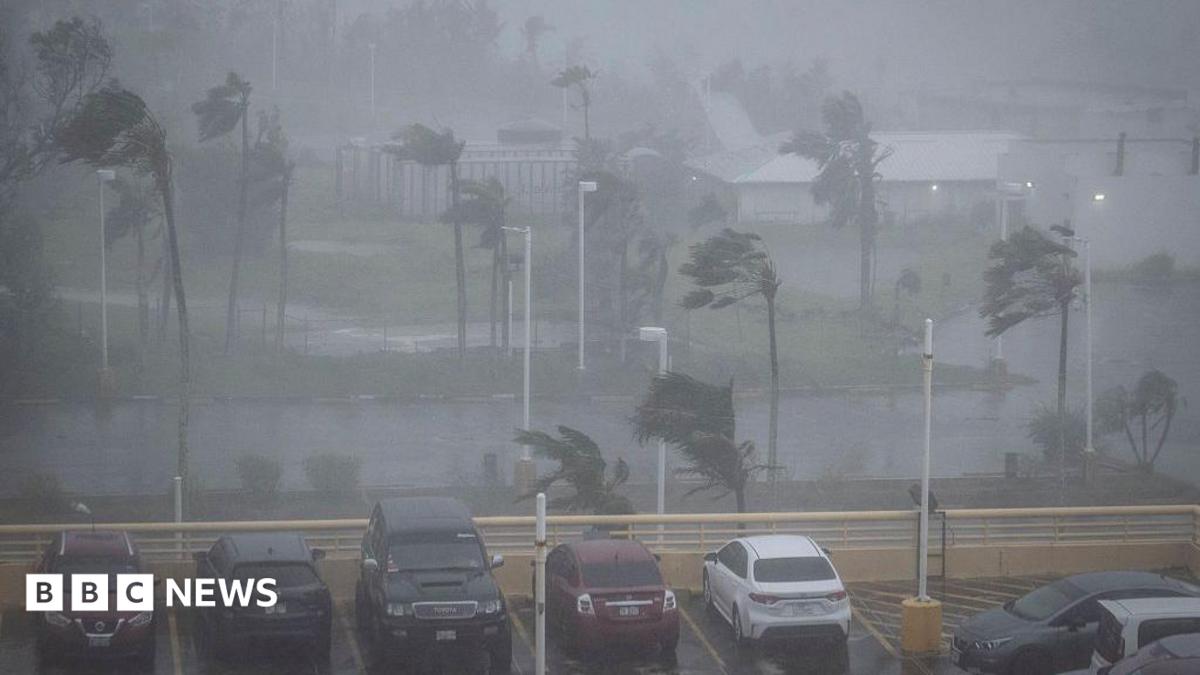
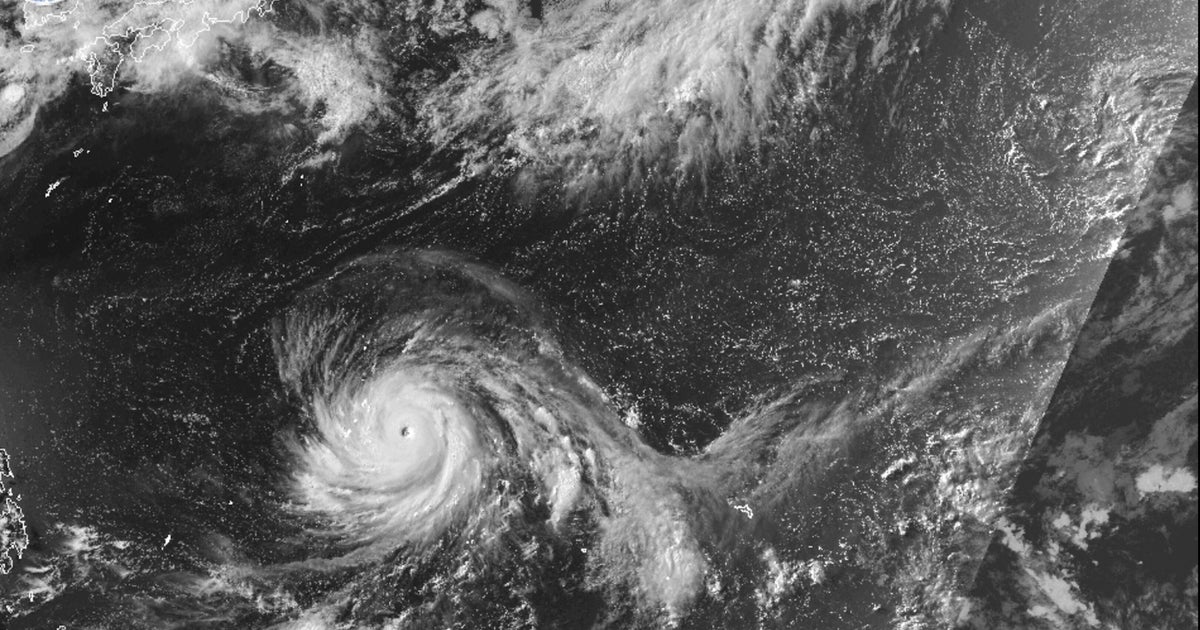
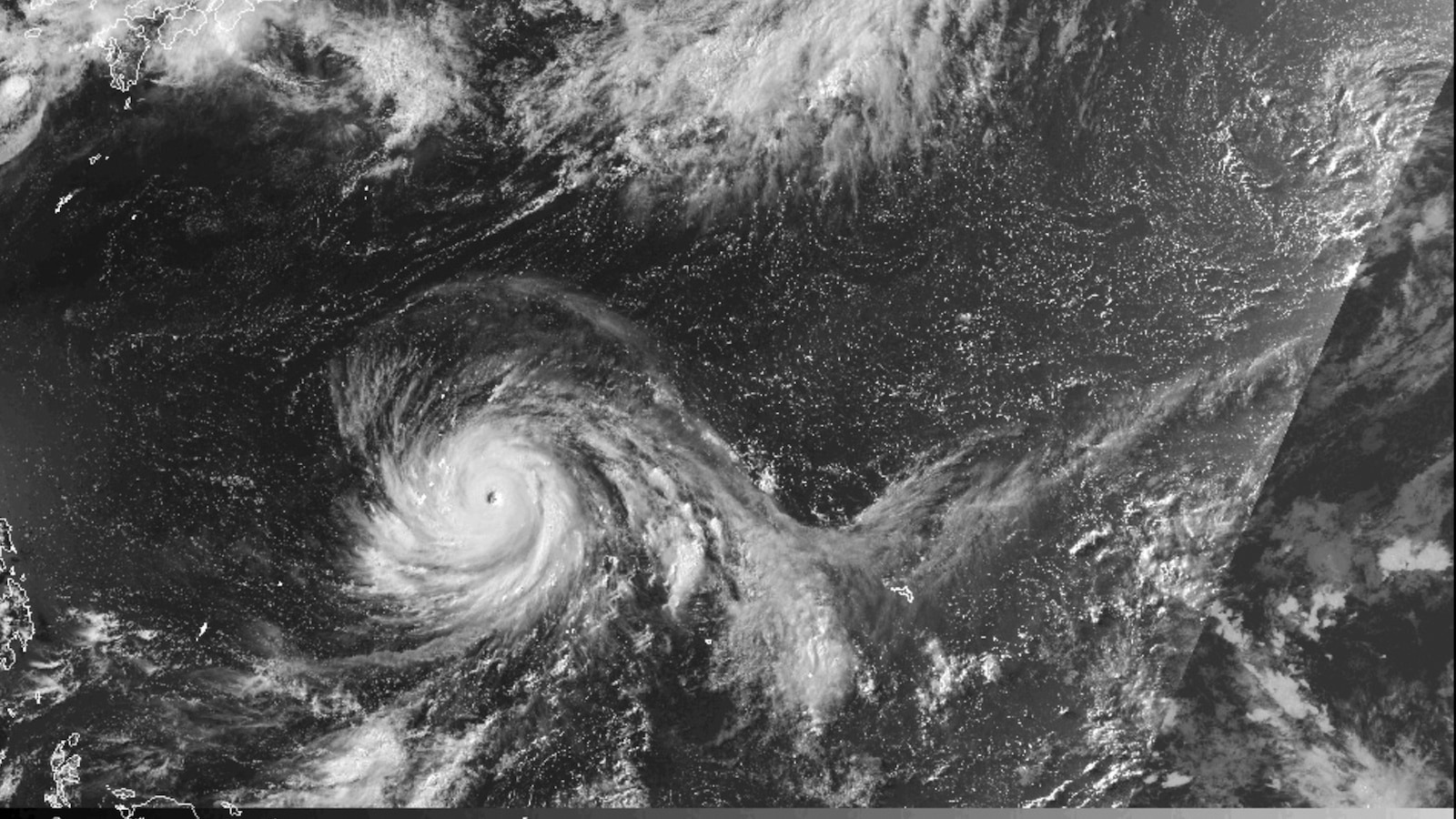
Super Typhoon Bavi made landfall Monday over Rota in the Northern Mariana Islands near Guam, bringing nearly 290 km/h (180 mph) sustained winds and gusts up to 350 km/h. The National Weather Service warned of “imminent danger to life” and had typhoon warnings in effect for Guam, Rota, Tinian and Saipan as the storm crossed the Mariana Islands east of the Philippines. Residents were urged to shelter indoors in U.S. Pacific territories still recovering from another destructive cyclone earlier this year.
Coverage Angles
Approach Versus Landfall
Mostly CenterCoverage differs on whether Bavi is mainly a looming threat or an event already striking land. The approaching-storm version leans into preparation and uncertainty, while the landfall version treats the crisis as underway.


Life-Threatening Winds
Mostly CenterSome headlines make the storm’s extreme gusts and official warnings the main story. They present Bavi as an immediate danger where survival and emergency action matter more than the storm’s track details.
U.S. Pacific Impact
Mostly CenterSeveral headlines stress that these are U.S. Pacific territories, not just distant islands in the storm path. That lens makes the event a domestic American emergency affecting Guam and surrounding communities.
