U.S.-Iran War Escalates
Washington escalates pressure on Tehran with strikes and a renewed blockade.





46
Articles
29
Sources
39%
Analysis & opinion
The reporting
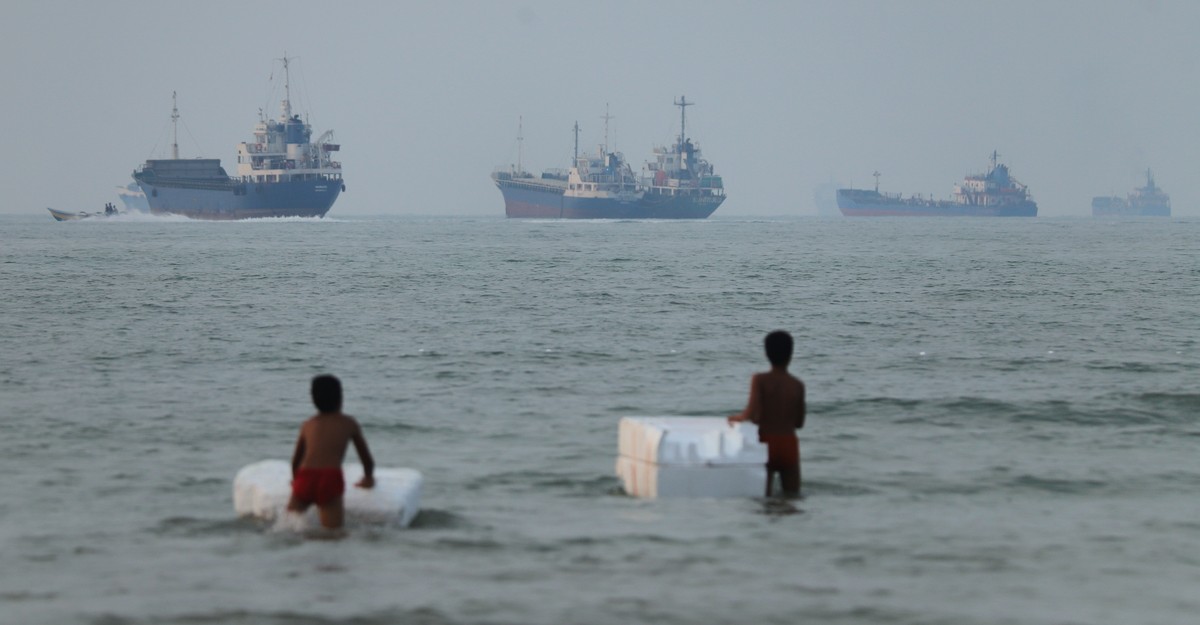
U.S. forces reimposed a naval blockade of vessels traveling to and from Iranian ports in and around the Strait of Hormuz on Tuesday and launched new strikes on Iranian targets beginning at 3 p.m. ET. Central Command said the strikes were aimed at degrading Iranian capabilities used to attack commercial shipping, while Tehran accused Washington of destroying the interim peace deal. President Donald Trump dropped his proposed 20% Hormuz transit fee, saying Gulf states would instead fund U.S. investment and trade deals for transit protection.
Analysis & opinion
War ResumptionLeans Left
The U.S.-Iran ceasefire and diplomatic framework have effectively collapsed, returning both countries to an active and open-ended war. Escalation over Hormuz, red lines, sanctions, and renewed strikes is pushing the conflict toward a wider regional war with no clear route to settlement.


Erratic StrategyLeft & Center
Trump’s Iran policy is improvised, legally dubious, and strategically incoherent, with the abandoned Strait of Hormuz toll showing how quickly major threats appear and vanish. The flip-flopping weakens U.S. credibility, alarms allies, and leaves Washington with less leverage to end the war.


Iranian LeverageLeft & Center
Iran still has meaningful military and geopolitical leverage despite U.S. superiority and repeated American attacks. Tehran can threaten the Strait of Hormuz, absorb punishment, expand missile pressure, and carry out damaging strikes on U.S. positions.




Get tomorrow's edition
Every side, every morning — free in your inbox.