Nepal-Tibet Floods Kill Hundreds
Deadly floods on the Nepal-China border leave hundreds dead and thousands missing.



California couple recounts surviving deadly Nepal flood: "I knew I was going to die"


'It stood like a serpent right there staring at us': American who survived deadly Nepal flood tells her story


Young survivor of catastrophic flooding in Nepal reunites with his mother — who feared her 2 kids were dead
51
Articles
22
Sources
22%
Analysis & opinion
The reporting
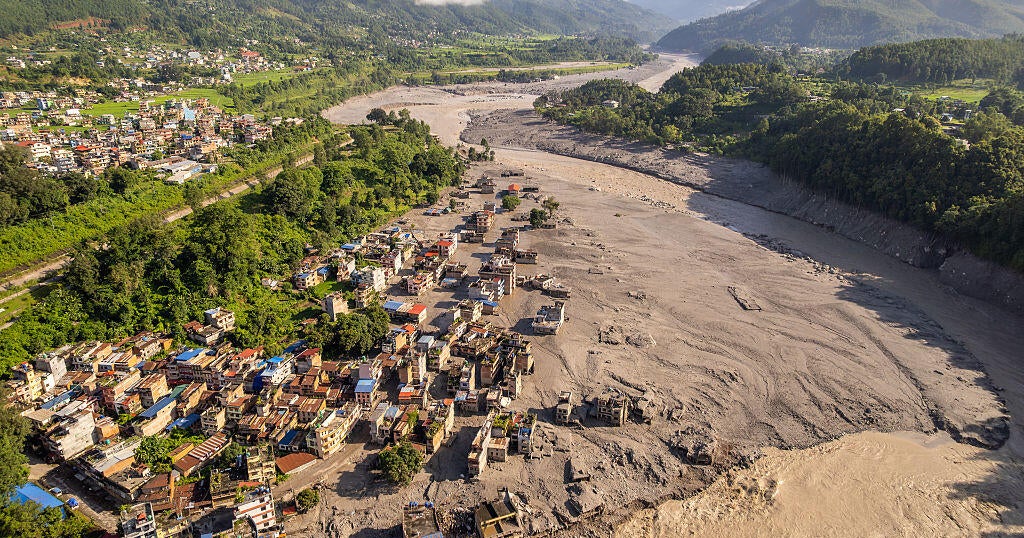
At least 579 people are confirmed dead and nearly 2,000 remain missing after a glacier collapse sent floods of water, mud and rock through valleys along the Nepal-China border. Rescuers in Nepal and China have pulled survivors from mud and hydropower tunnels, and Nepal says more than 3,700 people have been rescued. Authorities are monitoring newly formed barrier lakes, one already overflowing, because a breach could send another surge downstream. U.S. officials said about 90 Americans remain unaccounted for; the Red Cross said 93,000 people may need assistance.
Analysis & opinion
Climate-driven dangerLeans Left
Climate change is making Himalayan glacier and flood disasters more likely, less predictable, and more deadly. The Nepal-Tibet flood illustrates the human cost of delayed climate action, especially for vulnerable communities exposed to hazards they did little to create.


Chinese information controlsLeft & Center
Chinese authorities are restricting public understanding of the Tibet flood disaster by limiting information and suppressing dramatic evidence. Those controls make it harder to judge the scale of the damage and learn what happened to victims.

Get tomorrow's edition
Every side, every morning — free in your inbox.