Bank of Japan Raises Rates
Japan’s central bank lifted rates to 1.25% and signaled inflation concerns.




7
Articles
6
Sources
Coverage mix
What happened
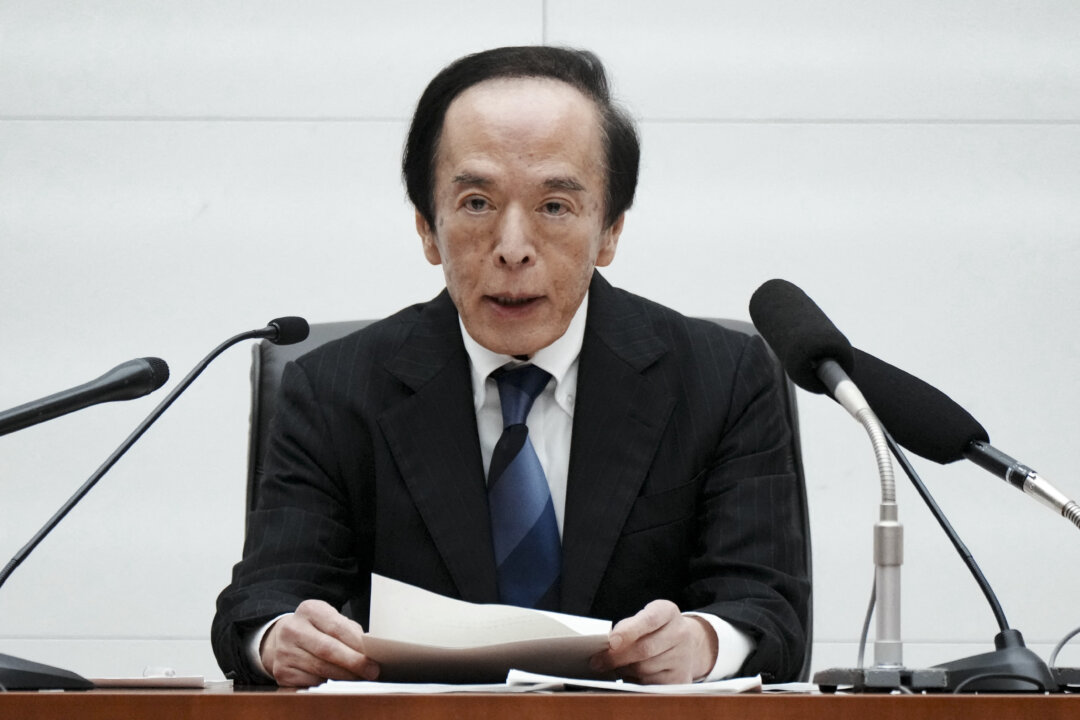
The Bank of Japan raised its benchmark policy rate by 25 basis points to 1.25%. That is its highest level since 1995, continuing a shift away from ultra-low rates begun in 2024. The central bank said inflation risks were tilted upward. It wants underlying inflation to stay around 2% without overshooting and hurting the economy later. The hike came as Japan faces a weak yen, higher import and energy costs tied to Middle East disruption, and U.S. pressure to tighten faster. The vote was split, with board members Toichiro Asada and Ayano Sato saying conditions did not justify the move. Governor Kazuo Ueda left further increases open.
Both sides
From the left
Left-leaning outlets framed the decision chiefly as an inflation fight, linking it to price pressure from the Iran war and wider Middle East conflict. The Guardian placed Japan inside a broader tightening cycle with the Federal Reserve and European Central Bank. It also cast future moves as data-dependent, citing Kazuo Ueda’s warning that policymakers should not rule anything out.
From the right
Right-leaning outlets framed the move as a response to inflation near target, with more tightening likely if the trend holds. Epoch Times stressed the bank’s view that Japan was recovering, while still noting weakness tied to the Middle East conflict. It also lingered on the split, highlighting opposition from Takaichi-appointed board members who said conditions did not warrant action.
Coverage•7 articles — 1 left, 5 center, 1 right
Get tomorrow's edition
Every side, every morning — free in your inbox.