NYT Quash Fight
The Times seeks to quash DOJ demands in the Air Force One leak probe.




40
Articles
26
Sources
33%
Analysis & opinion
The reporting
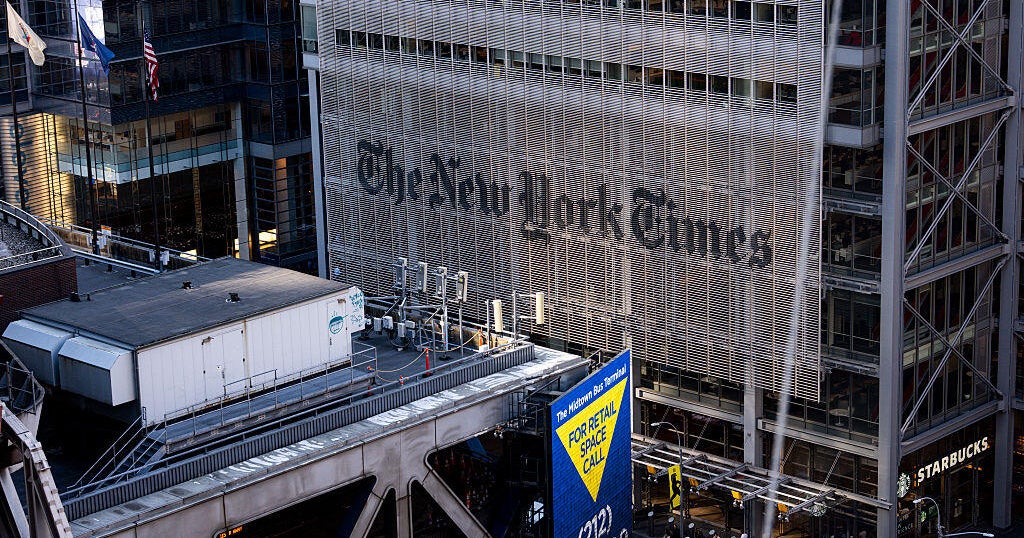
Court records unsealed Monday show the Justice Department sought phone records of New York Times journalists and some relatives in an effort to identify confidential sources behind Air Force One reporting. The Times has moved to quash those demands and grand-jury subpoenas seeking testimony from Julian E. Barnes, Eric Lipton, Tyler Pager and Eric Schmitt. The investigation concerns stories about whether a Qatar-donated Boeing 747-8 intended for President Donald Trump’s use had adequate security retrofits. The newspaper argues the subpoenas improperly threaten press freedom and source confidentiality.
Day 10
Latest update · Jul 21Court records unsealed Monday show prosecutors sought phone records for several New York Times journalists and some of their relatives, including a reporter’s mother, as part of the Air Force One leak investigation. The Times is asking a federal judge to quash those demands as well as grand-jury subpoenas seeking testimony from reporters about confidential sources. The investigation stems from reporting on whether a Qatar-donated Boeing 747-8 intended for use as President Donald Trump’s new Air Force One had been adequately retrofitted with security systems.
Analysis & opinion
Press intimidationLeans Left
The Trump administration is using subpoenas and phone-record demands to punish New York Times journalists for reporting on security problems with Trump’s Qatar-donated plane. The effort is an abusive attack on press freedom meant to expose confidential sources, intimidate reporters, and discourage critical reporting.


Get tomorrow's edition
Every side, every morning — free in your inbox.