Sen. Sanders, Steve Bannon Target AI
Bernie Sanders and Steve Bannon unite in warning Washington to rein in AI.






19
Articles
16
Sources
Coverage mix
What happened
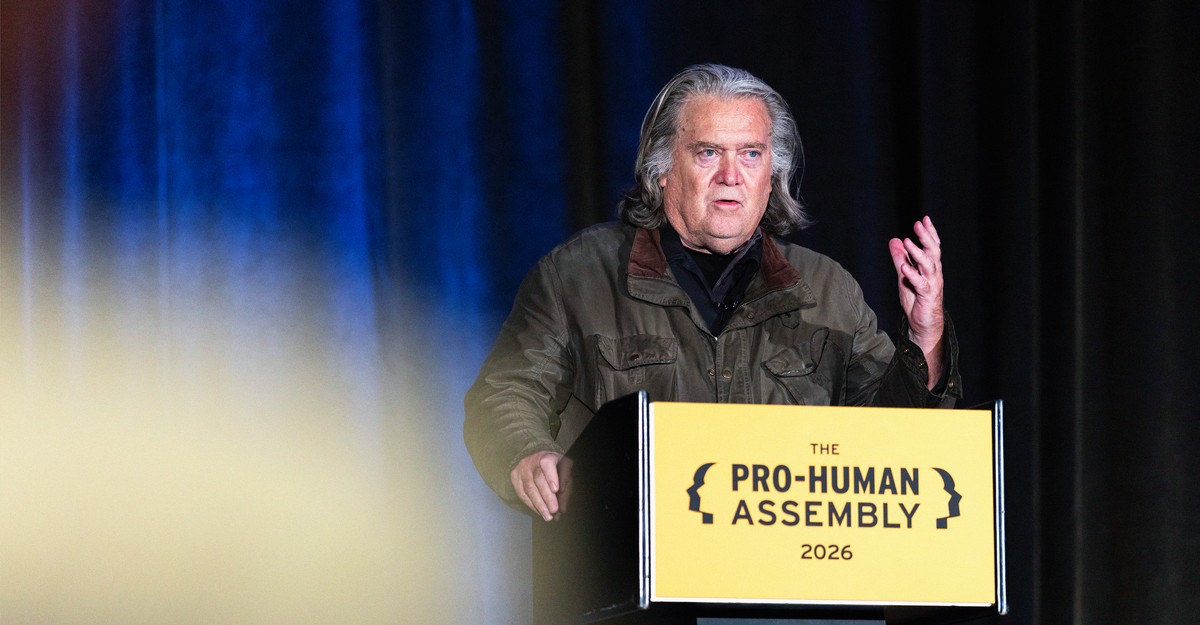
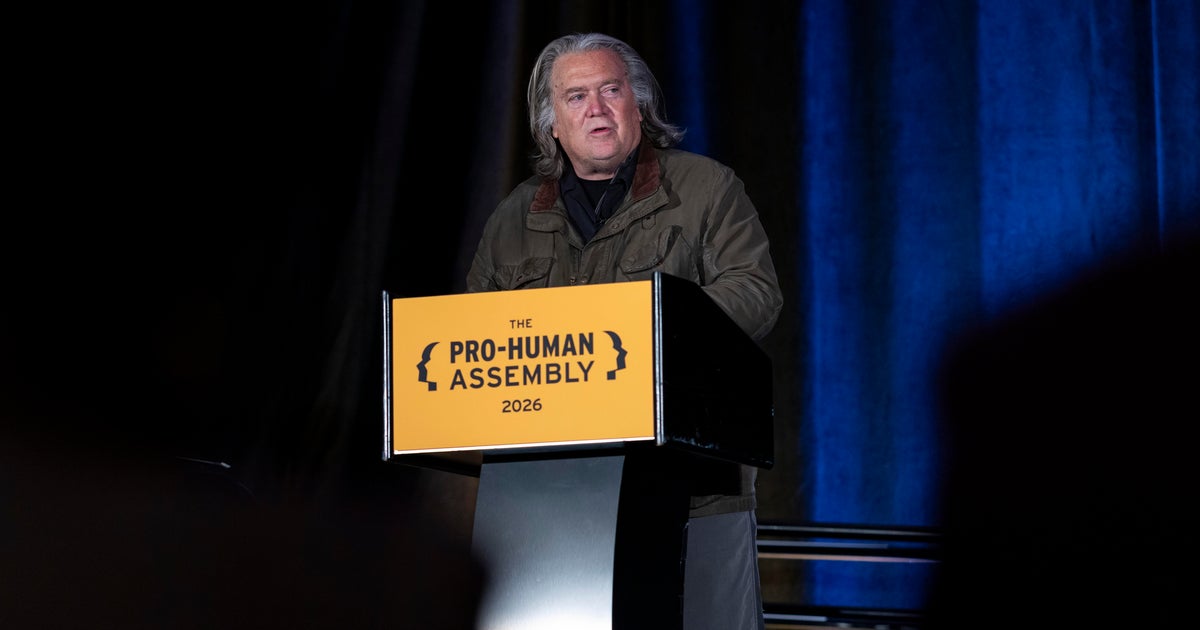
Sen. Bernie Sanders and Steve Bannon spoke at the Pro-Human Assembly in Washington, where an ideologically mixed group urged stronger AI guardrails. Speakers warned AI could threaten jobs, freedom, safety, national security, democratic control, and humanity. Sanders said he will introduce a permanent ban on superintelligent AI, a pause on advanced AI development, and penalties of up to 20 years in prison. Sanders urged a global deal including China; Bannon said the U.S. should not rely on Beijing. Rep. Chip Roy rejected Trump’s view that the president should decide AI policy.
Both sides
From the left
Left-leaning outlets led with the unusual populist crossover, presenting AI fear as a force bending partisan lines. CNN also stressed the stakes, pointing to fears of existential danger alongside risks to jobs, elections, and security. It lingered on Silicon Valley power, saying AI’s benefits could flow to a small circle of tech billionaires while the public carries the risks.
From the right
Right-leaning outlets treated the alliance as striking but narrower, with China policy as the sharp break. The New York Post emphasized the odd pairing of Sanders and Bannon against Big Tech power. The Washington Examiner focused on Sanders’s anti-oligarch message, while also questioning outside influence behind his proposal. It also highlighted a conservative argument for democratic control over AI, not rule by Trump, Musk, or tech CEOs.
Coverage•19 articles — 7 left, 6 center, 6 right
Get tomorrow's edition
Every side, every morning — free in your inbox.