US Opens Houthi Talks
Washington held direct talks with Houthis while avoiding a new Saudi-backed Yemen fight.


.jpg)

6
Articles
6
Sources
Coverage mix
What happened
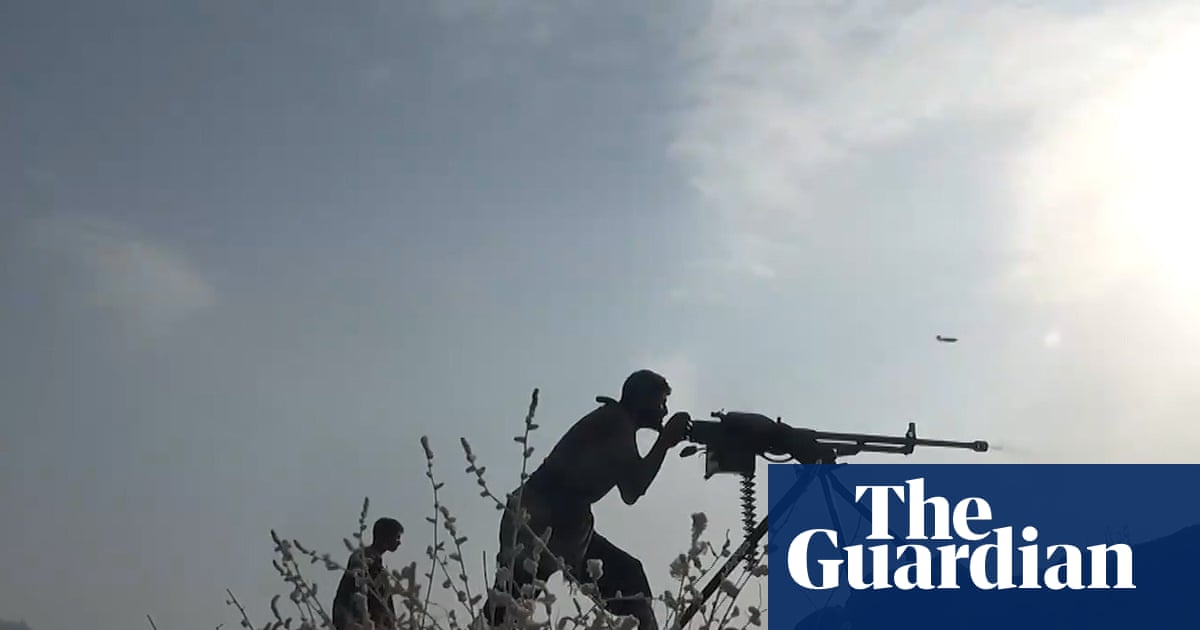
U.S. officials held direct talks with Houthi representatives in Muscat, Oman, over the weekend, with Oman helping arrange the meeting. The talks followed a Houthi push along Yemen’s Red Sea coast, where gains near the Bab al-Mandab strait raised fears for a key shipping chokepoint. The group remains under a U.S. terrorist designation. In the meeting, Houthi representatives said they would not attack U.S. or Israeli vessels and would keep the Red Sea open to non-Saudi shipping. They said Saudi-linked ships would still be targets. Saudi Arabia now faces pressure to seek a settlement or assemble a wider coalition, while Washington’s next move remains uncertain.
Both sides
From the left
Left-leaning accounts framed the talks as a sign Washington was choosing restraint rather than joining Saudi Arabia’s fight. The Guardian emphasized that Houthi leaders cast their targets as limited to Saudi-linked shipping, with the conflict tied to Yemen’s blockade. It also stressed that U.S. restraint left Riyadh facing harder choices over talks or a coalition.
From the right
Right-leaning accounts framed the talks through Iran’s regional reach, treating the Houthis less as local actors than proxy forces. The New York Post emphasized a quiet de-escalation channel with Iran-backed Houthis instead of a quick U.S. move beside Riyadh. Patriot Post lingered on the Red Sea chokepoint risk to commerce, oil flows, and shipping routes.
Coverage•6 articles — 1 left, 1 center, 4 right
Get tomorrow's edition
Every side, every morning — free in your inbox.