Bolivia Cat Species Identified
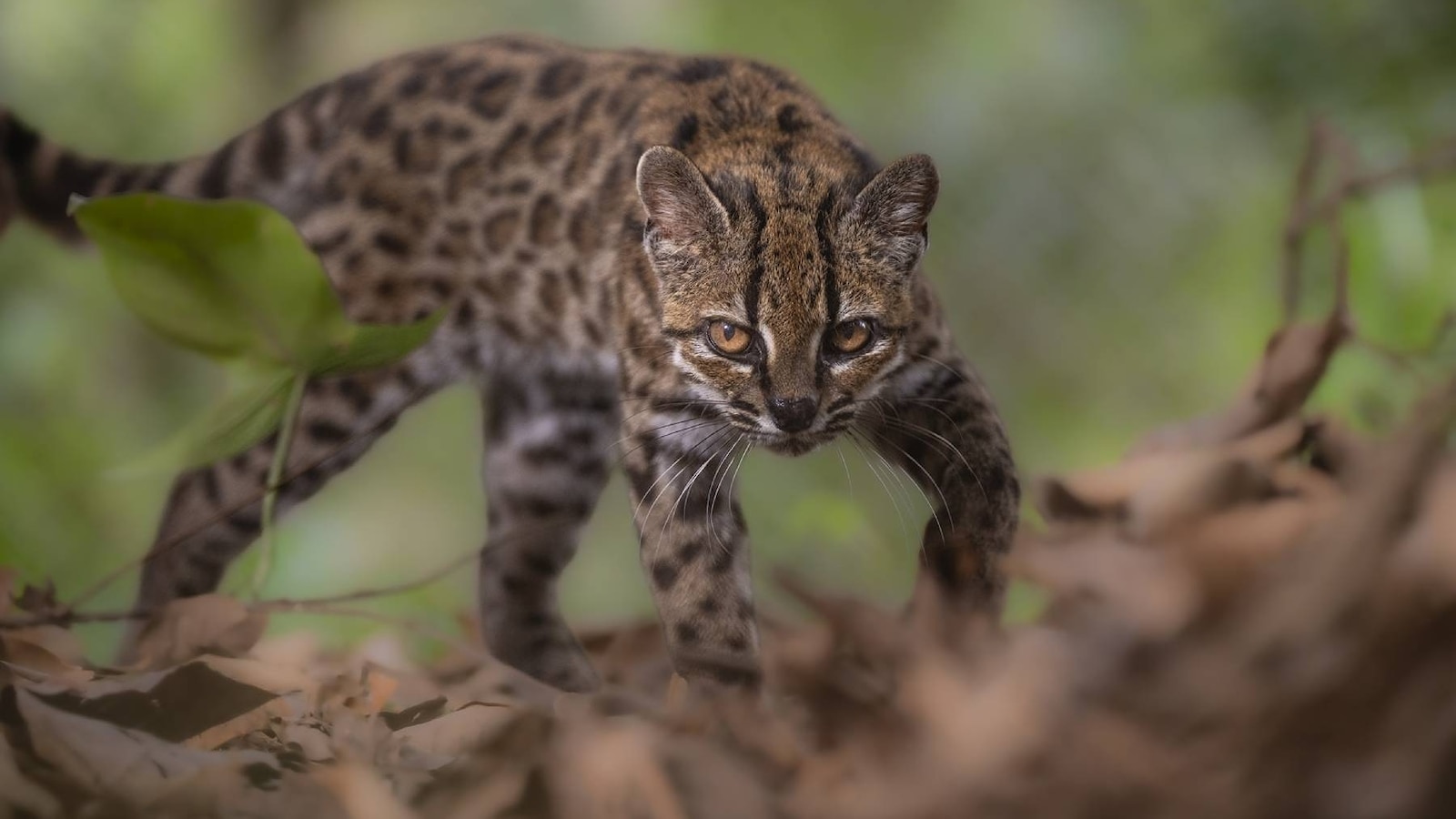
Scientists identified a tiny spotted wildcat in Bolivia as a new feline species.




10
Articles
10
Sources
Coverage mix
What happened
Researchers formally identified a new wild cat species in Bolivia’s Yungas cloud forest, naming it Leopardus tilcayo. They said DNA from living cats and museum specimens showed tiger cats are five genetically distinct species, not one. The cat first drew notice after a local family kept one as a pet and later brought it to Senda Verde Wildlife Sanctuary, where researchers saw it did not match known tiger cats. The small spotted cat is about 18 inches long and around 3 pounds. Researchers said they kept the local name tilcayo to preserve Indigenous and community knowledge. Its behavior, diet and population size remain largely unknown.
Both sides
From the left
Left-leaning accounts treated the find as both a landmark taxonomy moment and a close-up conservation story. CNN emphasized the genetics work behind a hard-to-distinguish tiger cat’s classification. Scientific American lingered on the animal’s tiny, spotted appeal. IFL Science highlighted the sanctuary encounter that helped put the cat before researchers.
From the right
Right-leaning accounts led with rarity and charm, making the discovery feel like an oddball animal story. The New York Post framed it as the first such cat identification in more than a century. The New York Post also leaned into the animal’s miniature-leopard look. Its narrative began with a local report of a mysterious “weird cat”.
Coverage•10 articles — 4 left, 5 center, 1 right
Get tomorrow's edition
Every side, every morning — free in your inbox.